September 2026
A HIDDEN MOUNTAIN VILLAGE
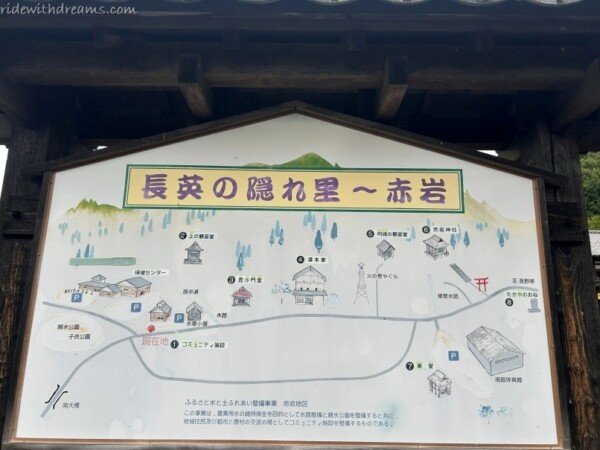
Tucked away in the mountains of northwestern Gunma, Akaiwa is a small traditional mountain village that feels wonderfully removed from modern Japan.
Located on a terrace above the Shirasuna River, the village is surrounded by steep green mountains, farmland, and forest. Its quiet streets are lined with traditional houses, storehouses, stone walls, small shrines, and temples, creating a landscape that has changed remarkably little over the years.
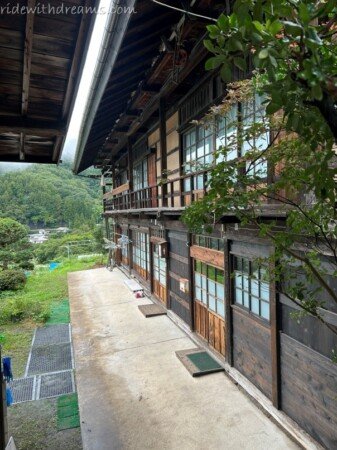
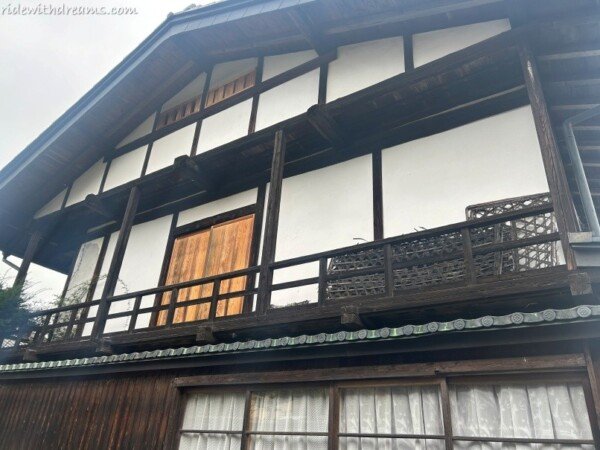
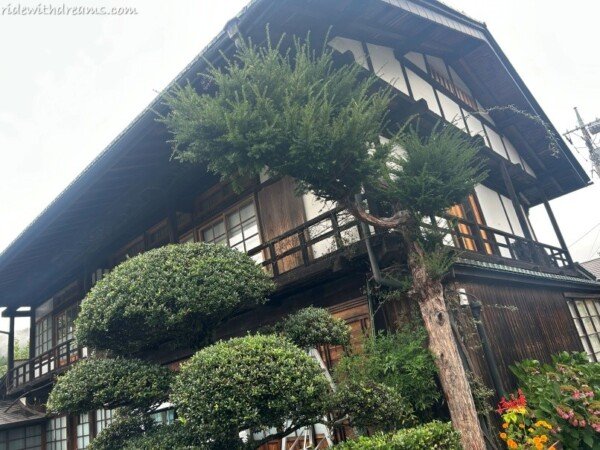
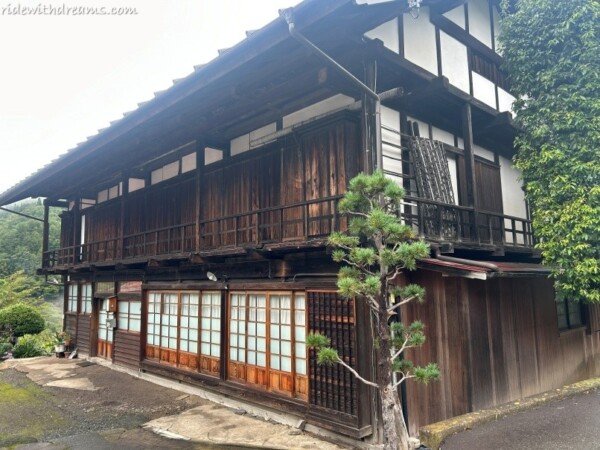
What makes Akaiwa particularly special is its history as a sericulture village. From the late Edo period through the Meiji and early Showa periods, raising silkworms was an important part of local life. Many of the traditional houses were designed not only as homes but also as spaces for raising silkworms, resulting in distinctive two- and three-story farmhouses.
WALKING THROUGH HISTORY
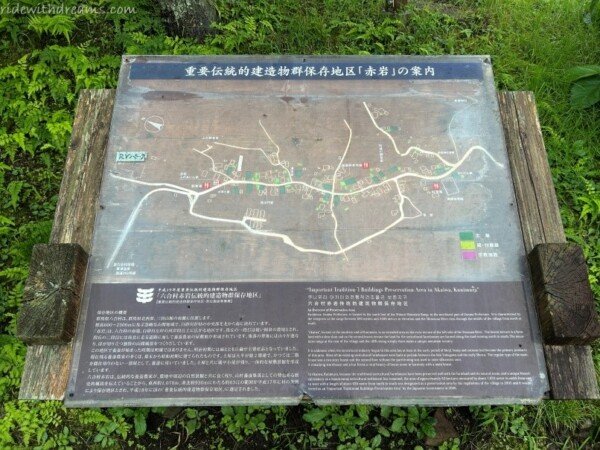
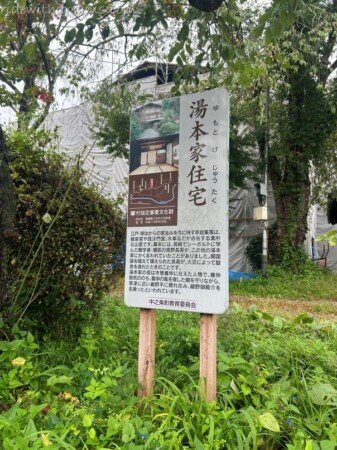
In 2006, Akaiwa was designated as an Important Preservation District for Groups of Traditional Buildings, the first such district in Gunma Prefecture. The designation covers not only individual buildings, but also the surrounding landscape—including farmland, forests, religious sites, and historic streets.
Walking through the village, it is easy to understand why.
There are no grand castles or spectacular monuments here. Instead, the charm lies in the little details: old wooden houses, weathered walls, traditional storehouses, narrow roads, and green mountains rising quietly behind them.
It feels less like visiting a museum and more like discovering a piece of everyday Japan that has simply continued into the present.
WE FOUND IT BY ACCIDENT
We actually discovered Akaiwa by accident and decided to stop for a morning walk.
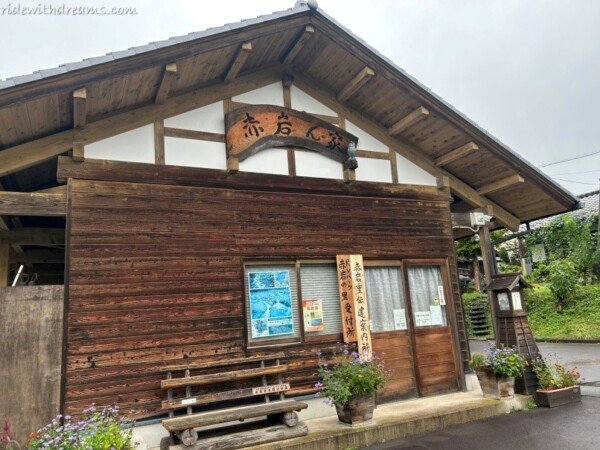
The village was incredibly quiet. What struck me most was that these were not simply preserved buildings—they were still people’s homes. Local residents continue to live in many of the houses, while the traditional exterior appearance has been carefully maintained even when the interiors have been modernized.
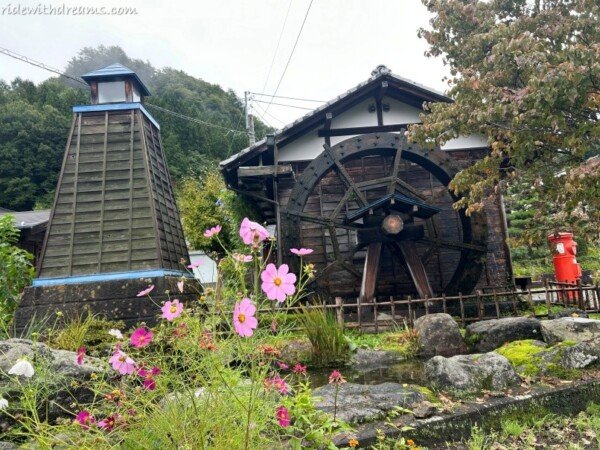
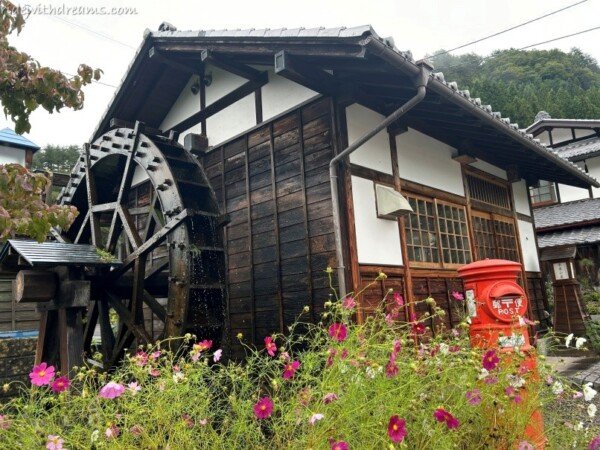
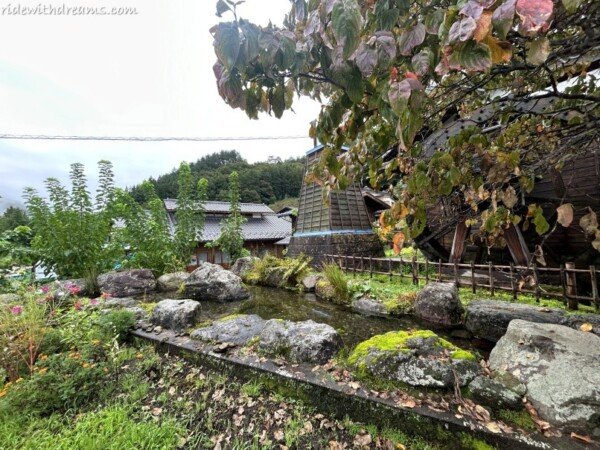
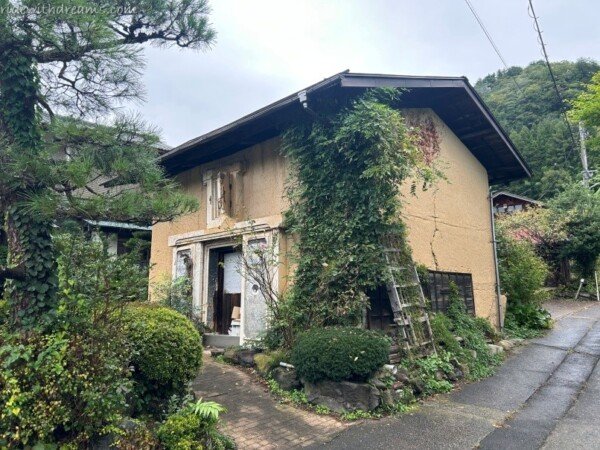
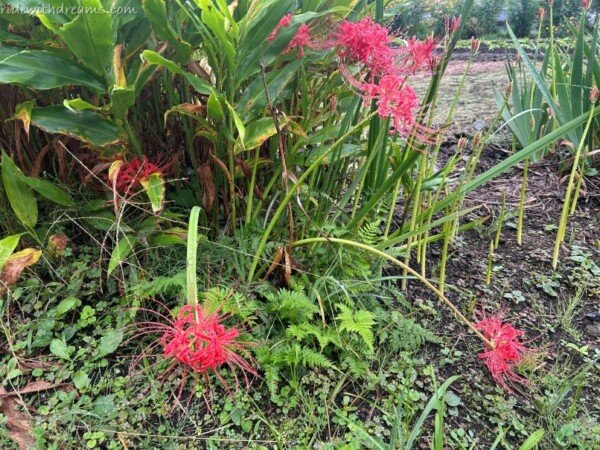
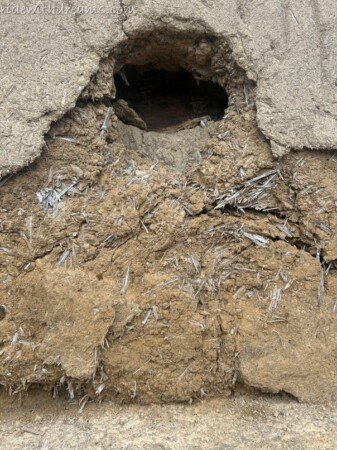
Some of the older walls still showed the original mixture of soil and grass, while stone fences were covered with fresh green plants. Flowers had been beautifully planted around a small pond and an old watermill, adding little bursts of color to the otherwise quiet village.
BEAUTY IN THE LITTLE DETAILS
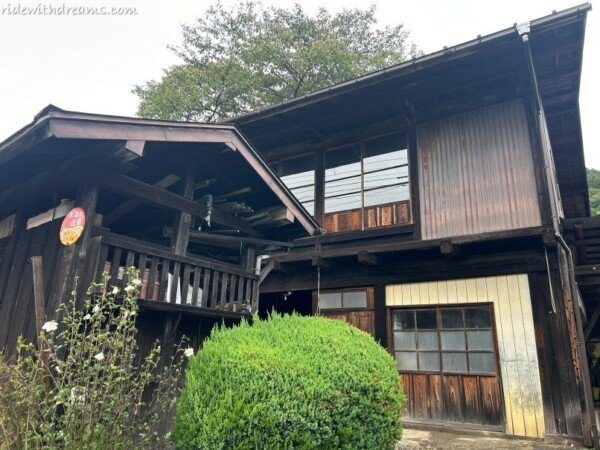
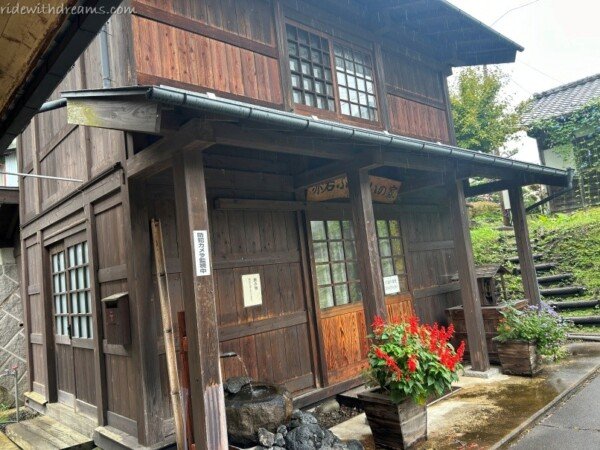
The houses were full of charming details: traditional wooden window frames, narrow wooden balconies, and wooden hallways that gave each house its own character.
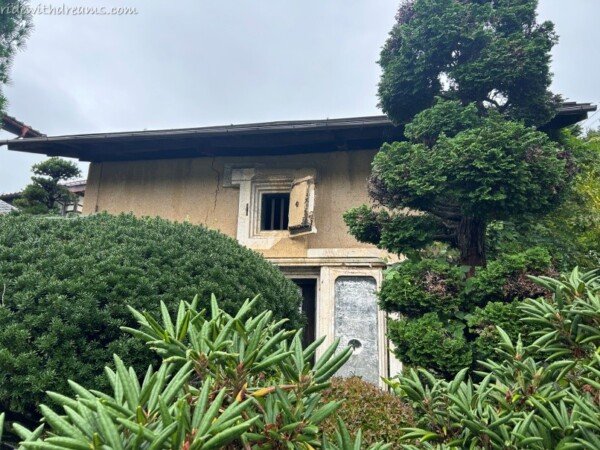
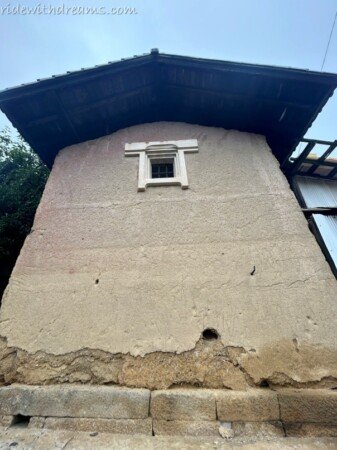
Some of the renovated houses had originally been used as storage buildings, and they still retained their distinctive small, thick-set windows. These tiny windows were surprisingly charming and gave the old buildings a unique character, offering another glimpse into how the houses had once been used.
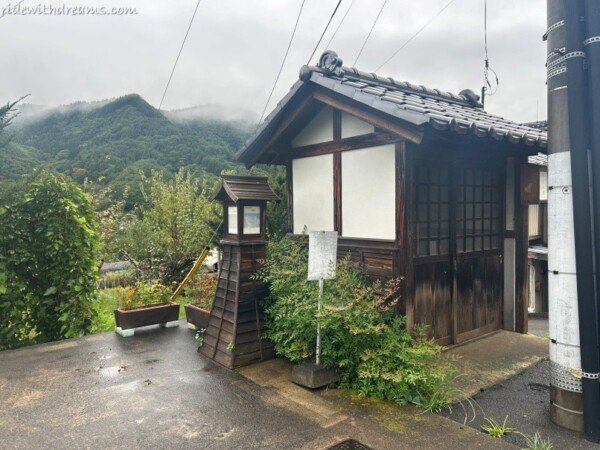
One of the things that caught my attention was a small wooden hut traditionally used for storing garbage. It sounds like such an ordinary thing, but it was so beautifully made and perfectly fitted into the village scenery that it almost looked like a little work of art.
I loved how even the most practical objects seemed to have a sense of beauty.
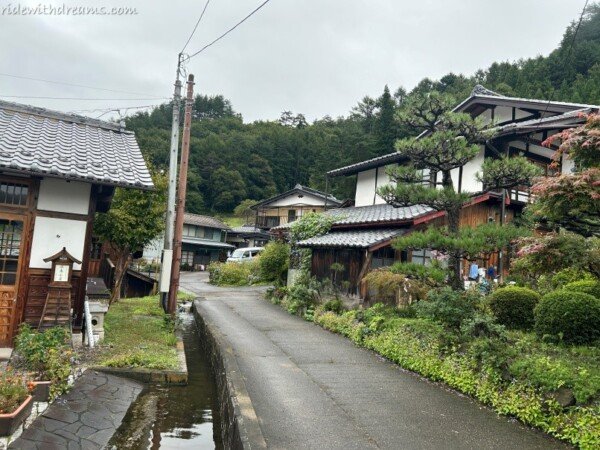
The short village street was especially atmospheric. With the traditional houses, stone walls, flowers, wooden structures, and mountains in the background, it almost looked like a scene from a Japanese movie, TV drama, or even the background of an animated film.
PLAIN, BUT PRECIOUS
Akaiwa isn’t flashy. There are no huge attractions demanding your attention, and there is nothing particularly spectacular at first glance.
But perhaps that is exactly what makes it special.
The village is plain yet precious. Its beauty comes from the way history, daily life, architecture, and nature have quietly blended together. Nothing feels artificially recreated just for visitors. Instead, the old landscape is still part of people’s everyday lives.
A VILLAGE THAT QUIETLY SPEAKS
Our morning walk through Akaiwa was completely unplanned, but it became one of those unexpected discoveries that stayed with me.
I loved that we weren’t simply looking at old buildings—we were seeing a living village, where people still live among the same traditional houses, stone walls, gardens, and mountains that have shaped the community for generations.
Akaiwa doesn’t shout for attention. It quietly tells its story.
And sometimes, those are the places that leave the deepest impression.