May 2026
Mongolia is vast, rural, and nearly impossible to explore by public transportation alone, so we decided to join a local tour for most of the trip. There was surprisingly little information online, but fortunately I found a Central Asia travel platform and booked this tour:
It turned out to be one of the best decisions of our trip.
Arrival in Mongolia
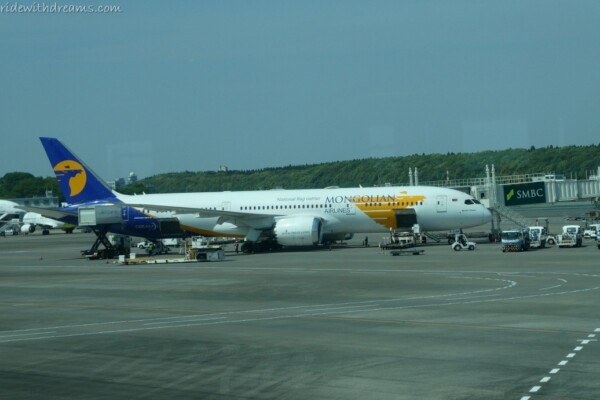
We arrived in Mongolia with MIAT Mongolian Airlines. The airline provided a “single-use” blanket on board, and I highly recommend taking it with you. It was light but surprisingly warm. Even in April and May, nights inside a ger can become very cold, and we ended up using the blanket almost every night.
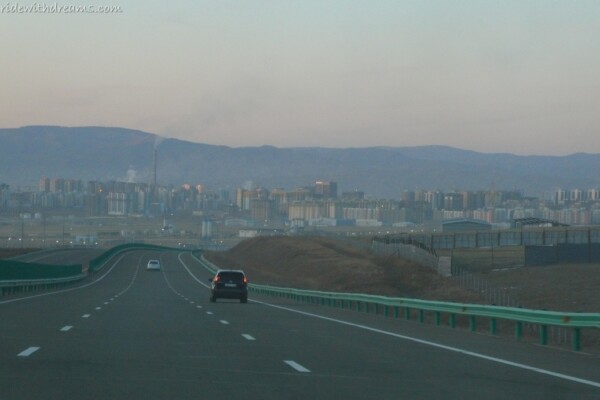
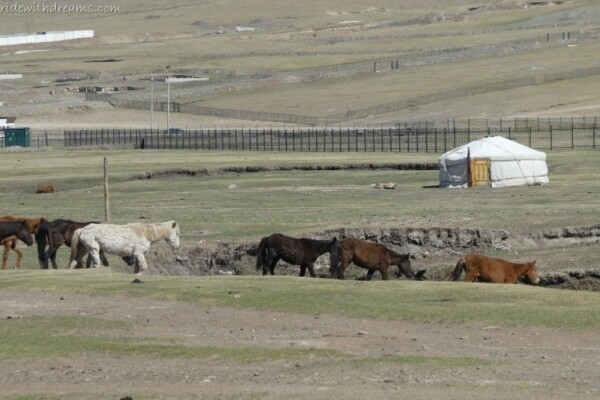
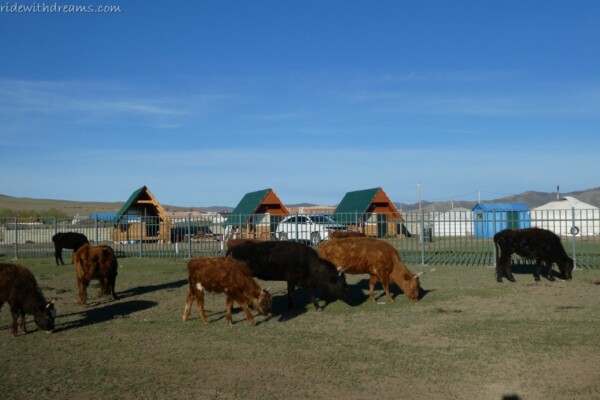
We landed in the afternoon, just in time to enjoy the sunset during the one-hour drive from Chinggis Khaan International Airport to the city. The landscape felt incredibly empty — mostly open fields, horses, cows, occasional construction sites, and industrial plants.
Traffic around Ulaanbaatar was unexpectedly heavy. A one-hour drive could easily become one and a half hours unless you were traveling very late at night or early in the morning.
Beginning the Journey
On the morning of Day 1, our local guide and driver came to pick us up from our accommodation. I had expected only one person to act as both guide and driver, so it was a pleasant surprise to see two people arrive. Later, I realized how important that was.
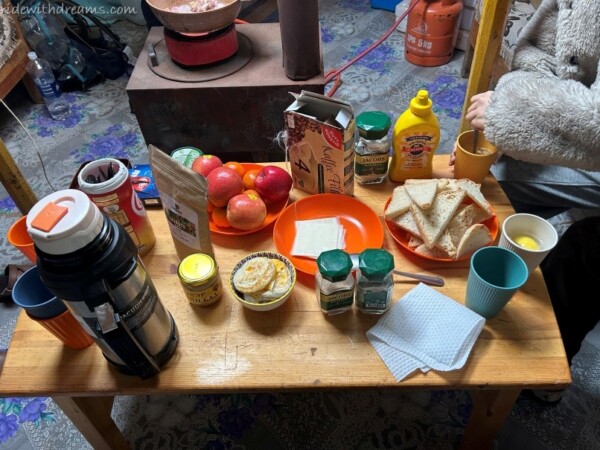
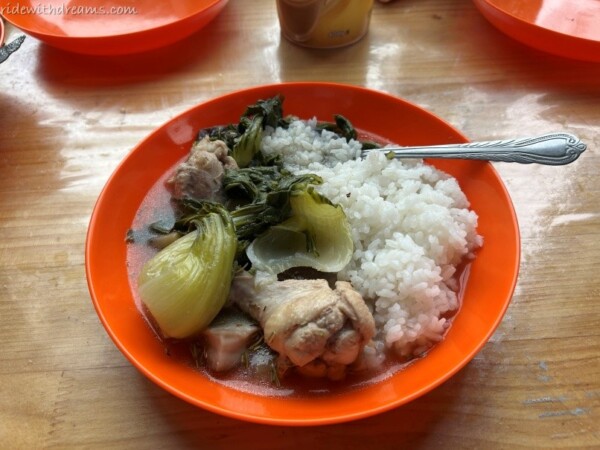
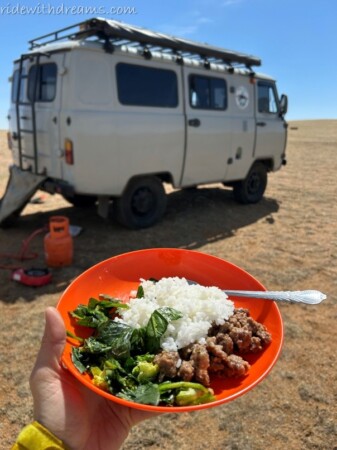
Our guide, Muugii, spoke excellent English and was also a fantastic cook. Outside the capital, almost nobody spoke English — not ger owners, shopkeepers, or restaurant staff. Since towns and restaurants were rare, many of our meals were either cooked by Muugii on the roadside or prepared by local ger families. Whenever we passed through a town, he would stop at supermarkets or small local shops to buy fresh groceries.
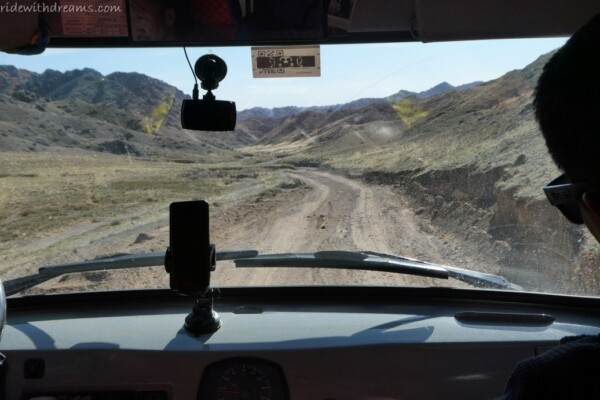
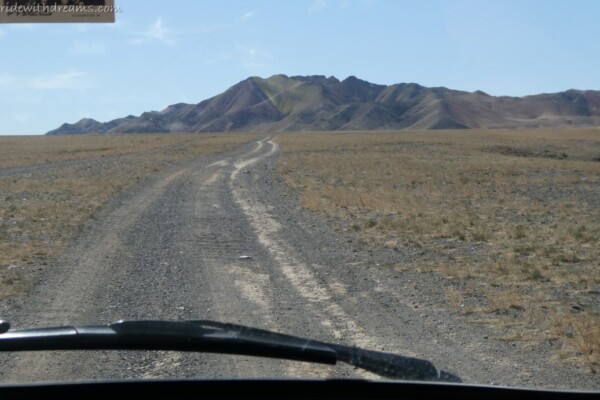
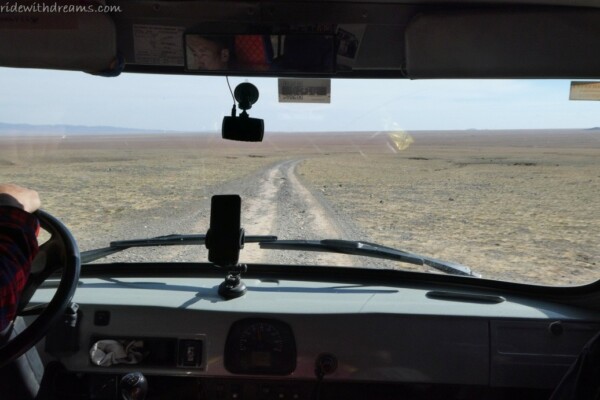
Mongolia’s enormous landscape and tiny population density made the journey feel truly remote. More than 90% of our trip was off-road. There were very few official roads — mostly just tracks across grasslands, mountains, and deserts.
Often there were no signs, no clear directions, no phone signal, and sometimes even Google Maps could not accurately show where we were. Our driver, who had over 20 years of experience, became one of the most important people on the trip. He navigated across mountains, repaired the car when necessary, and drove for five to six exhausting hours every day over rough terrain.
The Russian SUV
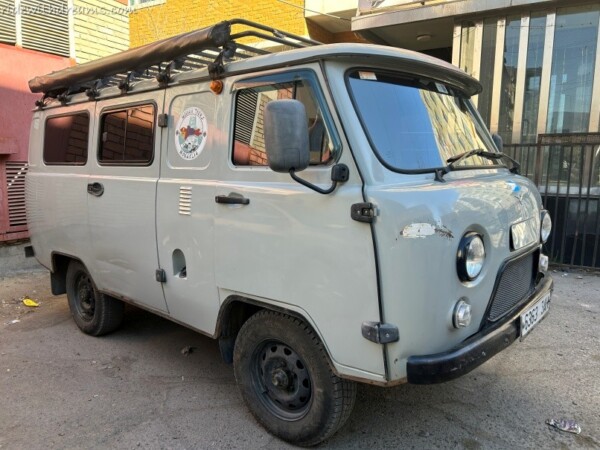
When they arrived in an old Russian SUV, we were fascinated. Not because it looked ancient, but because we had never ridden in a Russian vehicle before.
The SUV was actually very well maintained and perfectly suited for Mongolia’s terrain. Unlike modern cars filled with electronics, this one was extremely mechanical and simple, making it durable and easier to repair in remote areas.
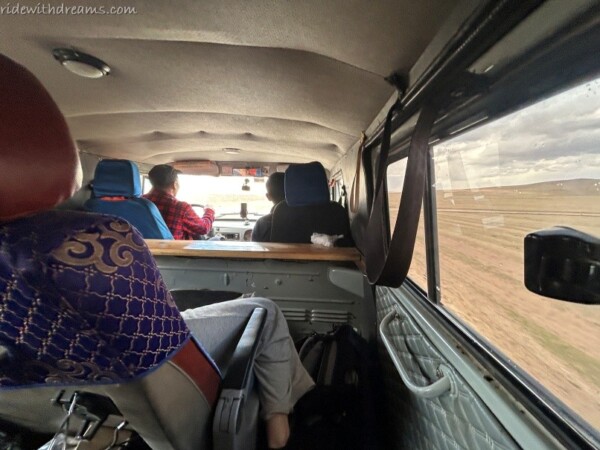
I especially loved the interior details, including a small wooden counter behind the driver’s seats that made it feel almost like a tiny camping vehicle.
Gobi Desert & Kharkhorin — 7-Day Private Tour
Day 1 — Baga Gazariin Chuluu
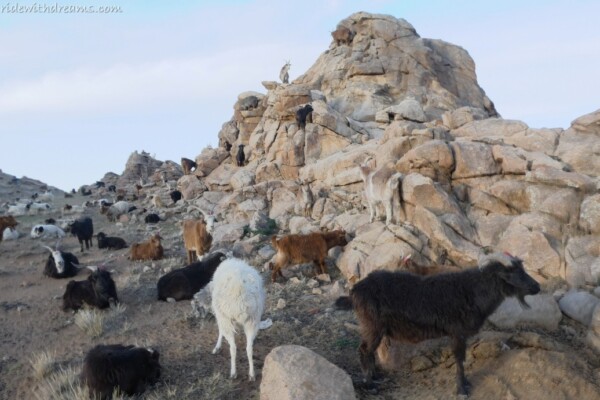
Baga Gazariin Chuluu looked like another planet. The dramatic rock formations reminded me of scenes from Star Wars.
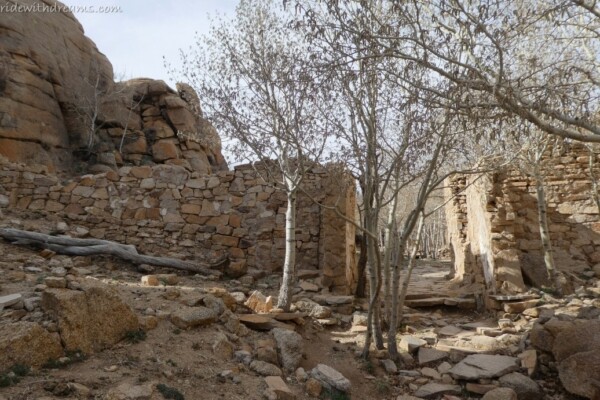
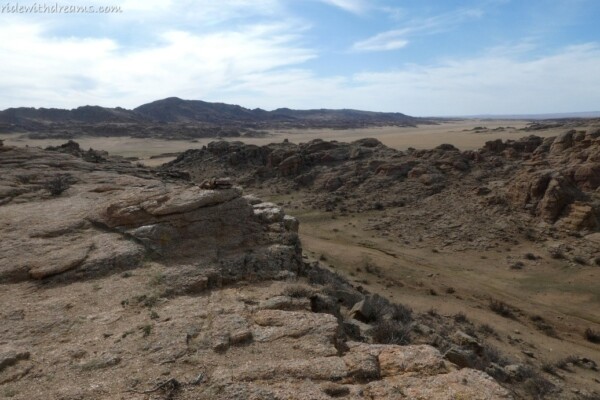
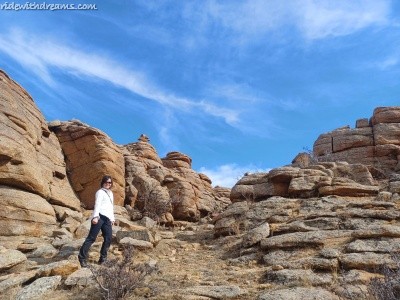
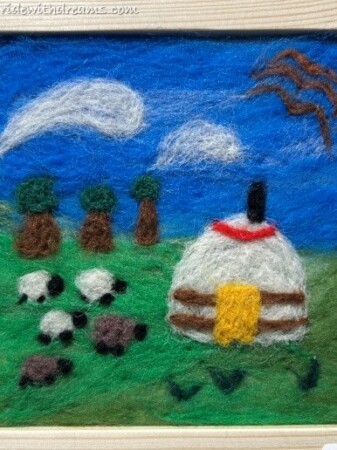
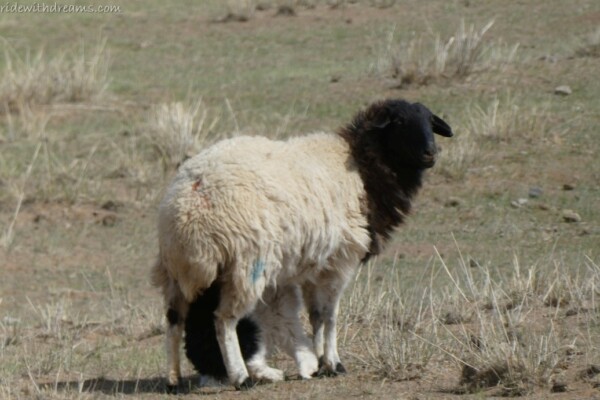
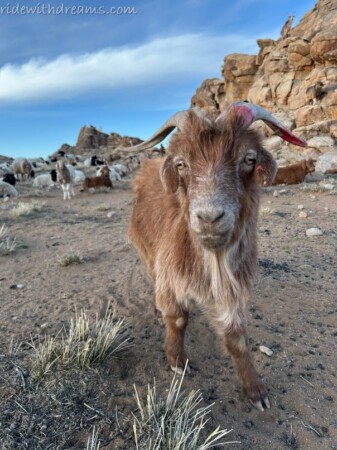
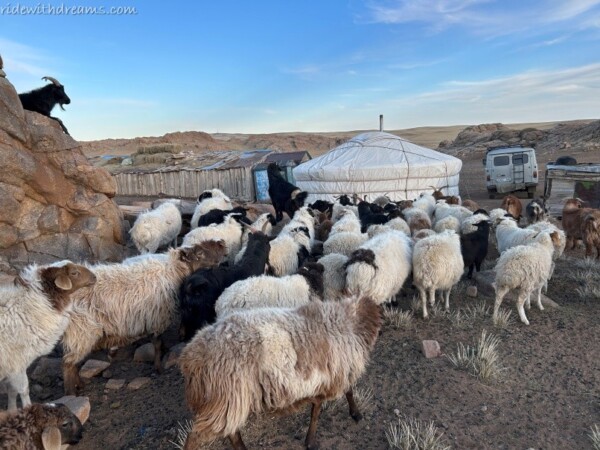
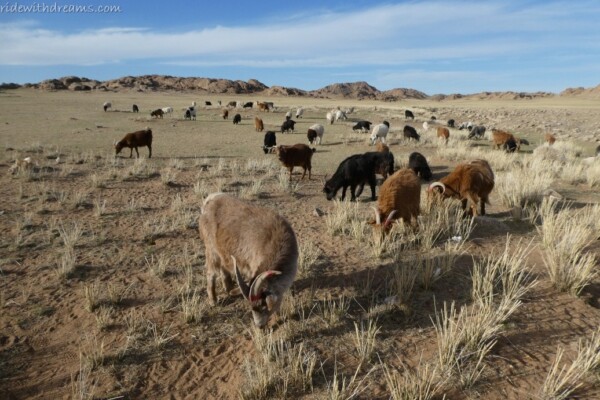
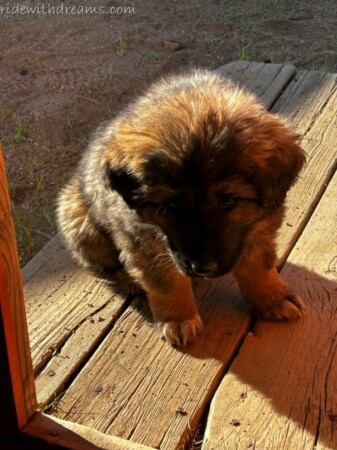
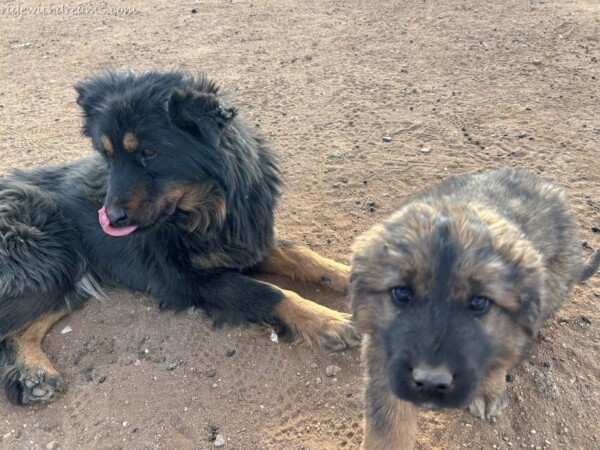
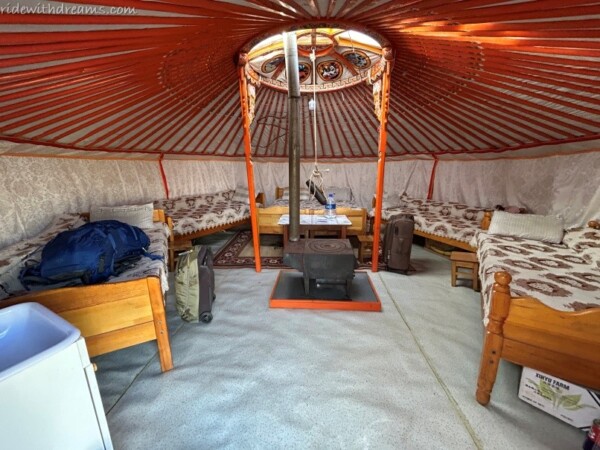
The ger we stayed in that night became one of my favorites because the family owned several dogs, sheep, and goats. It was so relaxing to play with the dogs and watch the animals return to their pens in the evening.
Everything felt new to us: frozen biscuits eaten with hot milk tea, outdoor handwashing stations, basic toilets, and fireplaces fueled by dried animal dung.
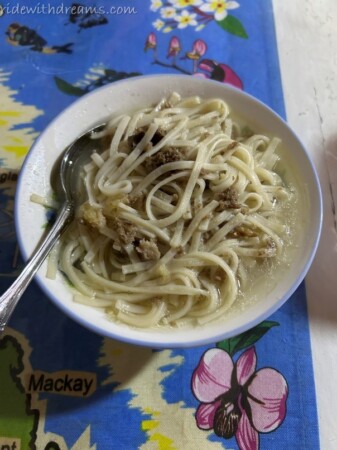
Dinner was simple — noodle soup with beef and salt — but delicious after a long day of driving.
Day 2 — Tsagaan Suvarga (White Stupa)
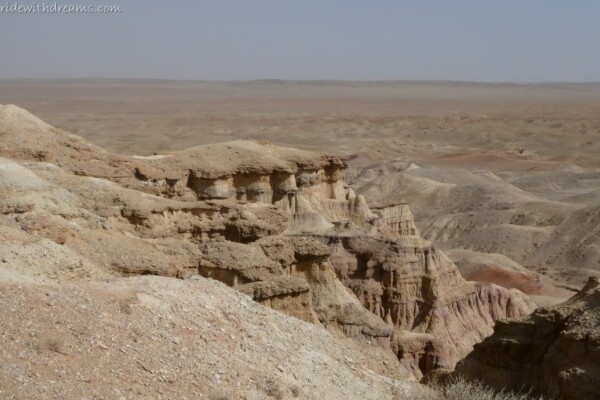
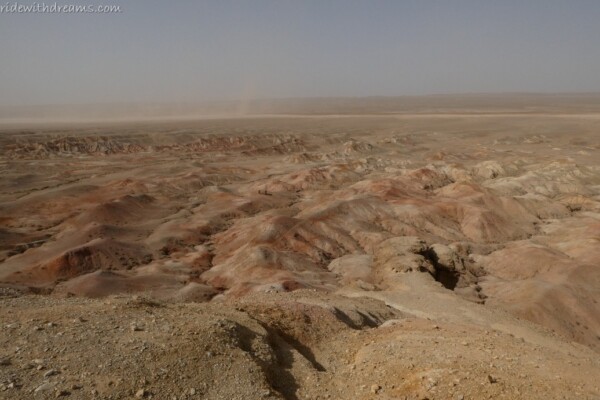
Tsagaan Suvarga was another unforgettable landscape. Strong winds prevented us from climbing down, so we admired it from above.
The colorful cliffs, once part of an ancient seabed, looked unlike anything I had ever seen before.
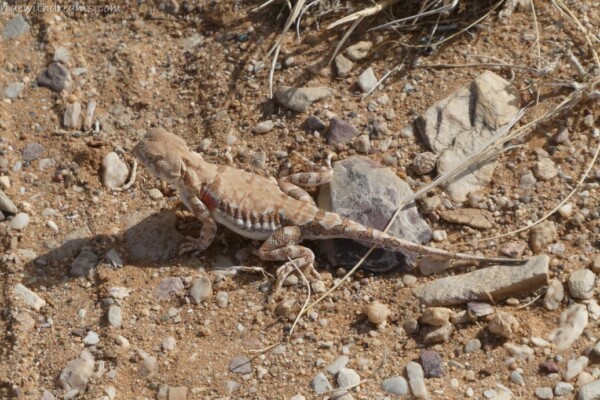
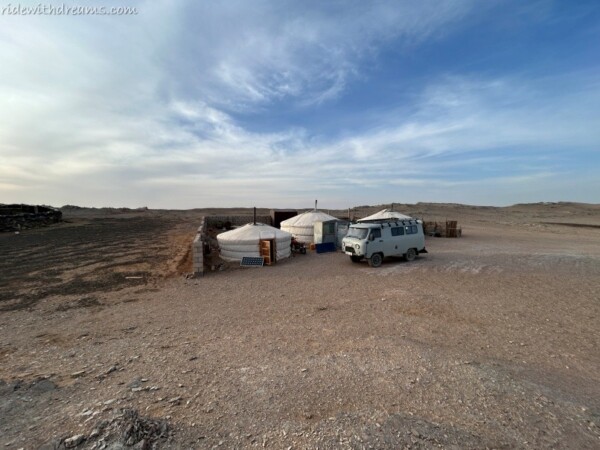
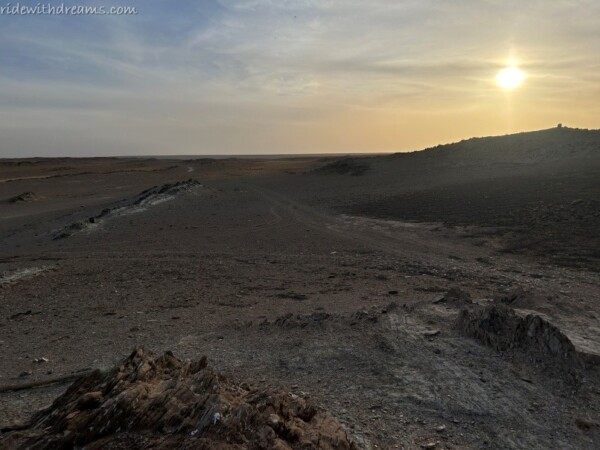
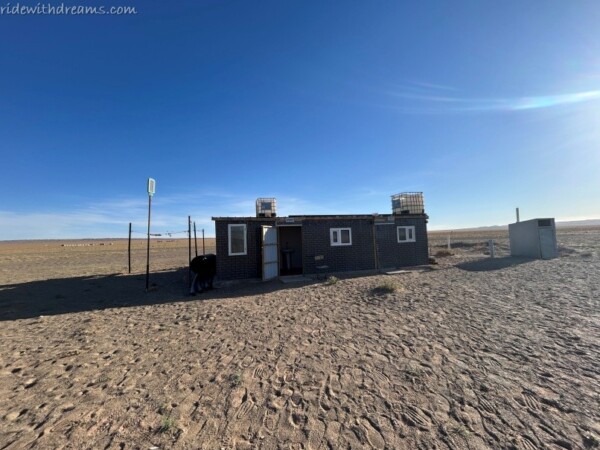
That night’s ger experience felt completely different from the first. This ger stood alone in the middle of nowhere, inhabited only by the host, an elderly lady. She has been living there alone since her husband passed away. Her three children all live in the cities, only come to visit and help her occasionally. Younger generations of Mongolians mostly do not lead the nomad lives anymore. There were no animals, no dogs, and almost no signs of life around us. Even the toilet was simply three brick walls with no door.
That night felt strangely lonely.
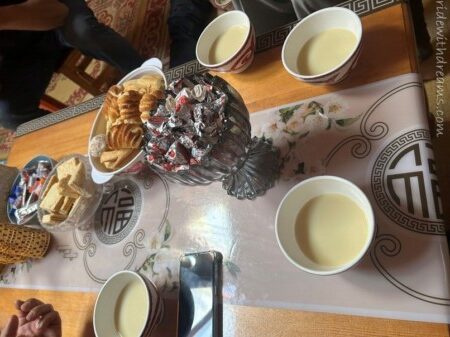
However, we were invited to the host’s main ger for tea, where she served us warm, fresh goat’s milk that surprisingly had no smell at all. I actually enjoyed it very much.
Day 3 — Yolyn Am Valley
On the way to Dalanzadgad, I finally bought a local SIM card and proper hiking shoes.
We stayed at a larger guesthouse with multiple gers, modern shower rooms, washing machines, and shared facilities. For the first time, we met travelers from other countries, including Japan, Korea, and other parts of Mongolia.
After lunch prepared by Muugii, we headed to Yolyn Am Valley.
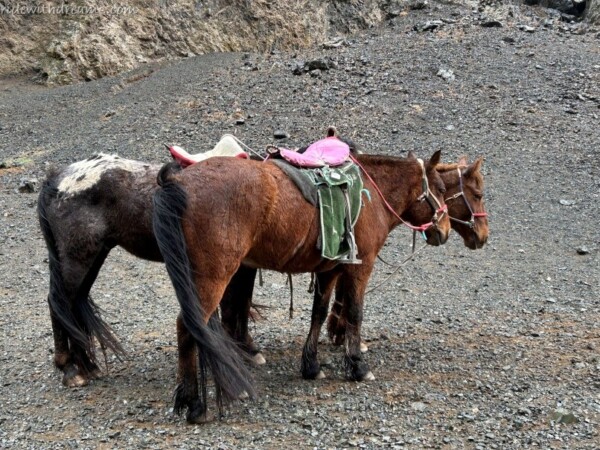
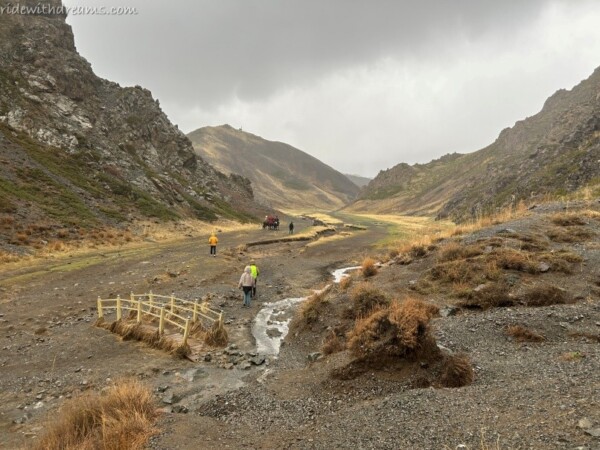
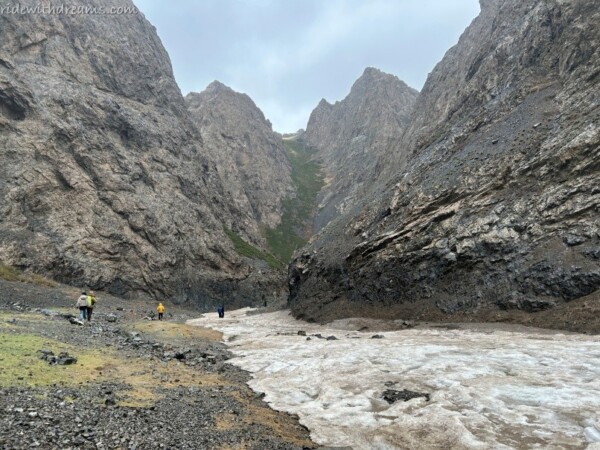
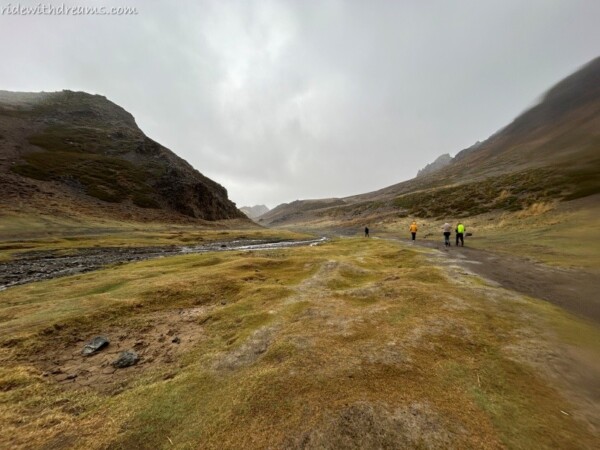
The valley was breathtaking. The scenery gradually changed from green grasslands to frozen white ice. Horses were available for riding at the entrance, but later we had to continue on foot once we reached the icy sections.
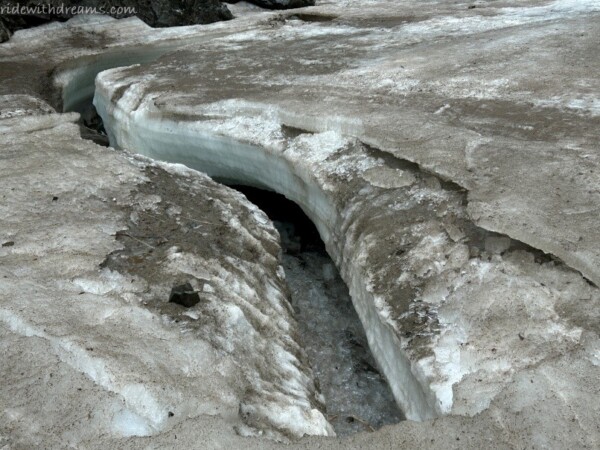
Rain began pouring heavily, and temperatures dropped quickly. Walking across the frozen river-like ice was both exciting and slightly terrifying. Through cracks in the ice, I could occasionally see how deep it was below us.
Because of the rain, we only walked about an hour into the valley before turning back.
Even so, walking across an icy valley in Mongolia during May felt surreal.
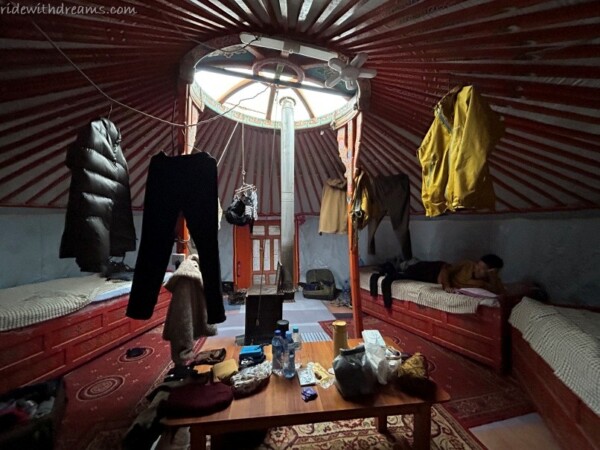
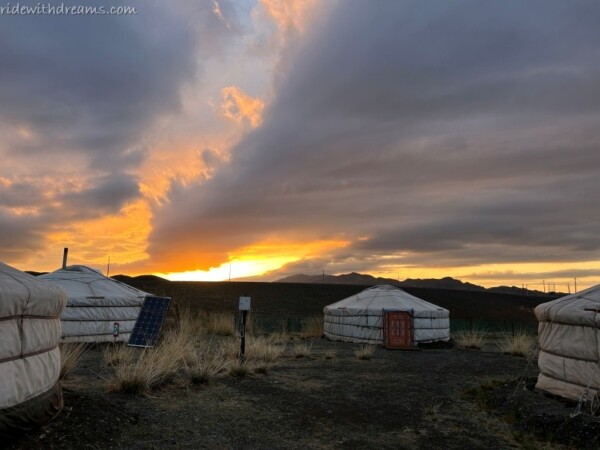
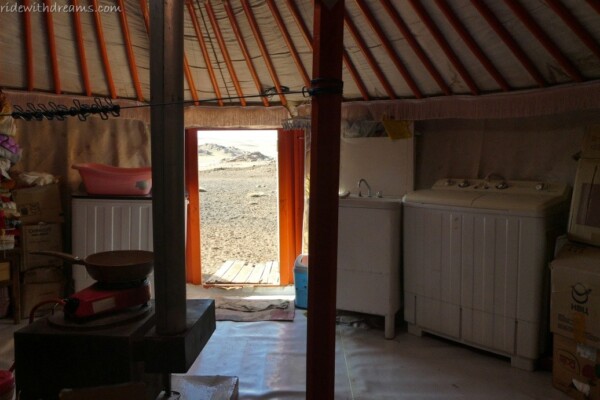
Back at the ger, we were cold, wet, and covered in mud. Thankfully, there was a heater and a washing machine. The wooden poles inside the ger became perfect drying racks for our clothes, and the dry air quickly dried everything overnight.
During our entire one-week tour, this was the only place where we could enjoy a proper hot shower and do our laundry. In all the other gers, there was either no hot water at all or only a very limited water supply — not even enough to wash our hair comfortably.
Mongolia also gets surprisingly chilly at night, and we often needed a heater just to sleep, so taking a cold shower was out of the question. We were really glad we had packed body wipes and wet tissues, which turned out to be absolute lifesavers throughout the trip.
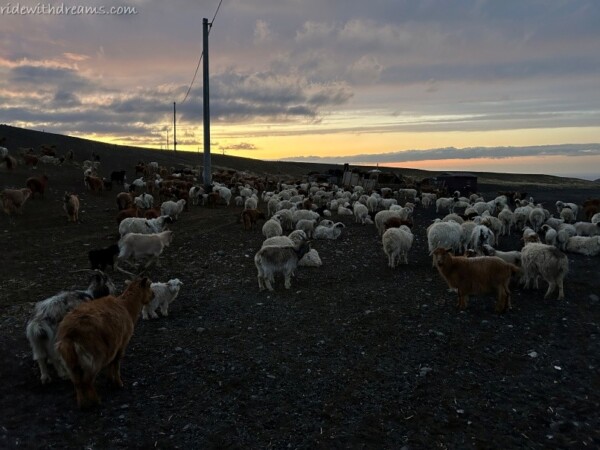
That evening we watched hundreds of sheep and goats returning across the grasslands while snow-covered mountains stood in the distance.
Day 4 — Khongor Sand Dunes
After another four-hour drive, we finally reached Khongor Sand Dunes — one of the highlights of the Gobi Desert.
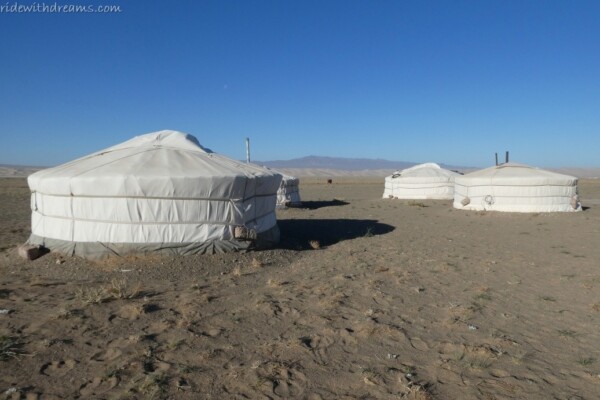
Our ger camp stood about 30 minutes away from the dunes themselves, but we could already see the massive waves of sand stretching across the horizon.
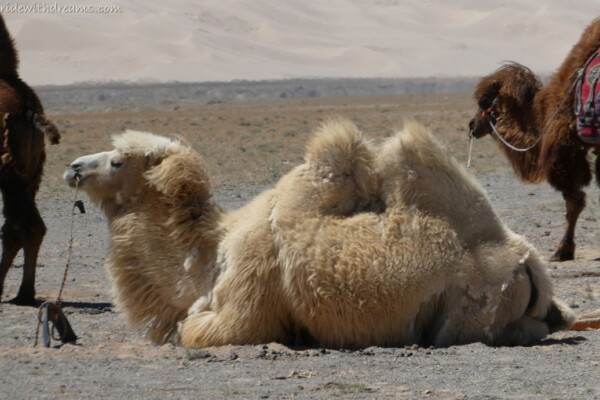
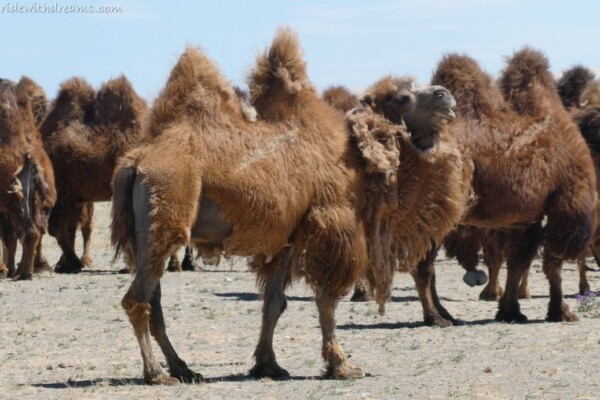
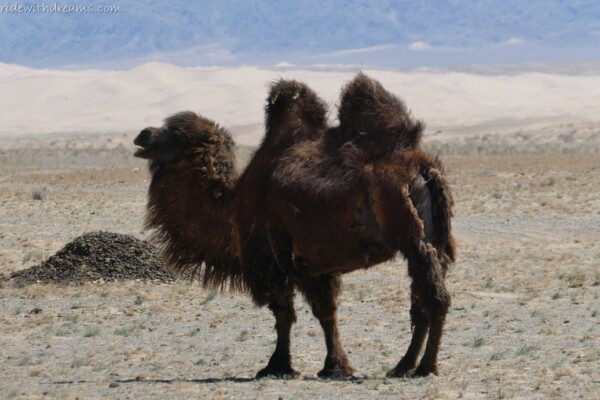
The ger family owned five camels, and we spent an hour riding them in the afternoon. Compared to our camel ride in the Sahara Desert in Morocco, this experience felt less adventurous since the camels were led slowly across flat land by elderly women holding ropes.
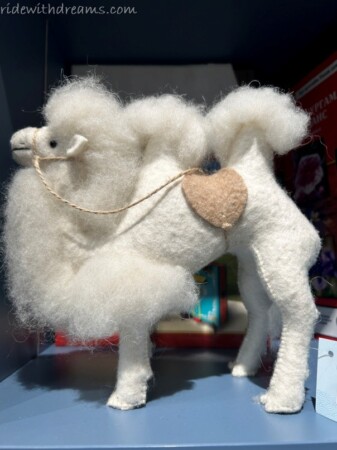
Still, Mongolian camels were fascinating. Unlike the single-humped camels in Morocco, these Bactrian camels had thick fur and two humps. We simply sat between the humps while holding onto the fur for support.
Climbing the Sand Dune
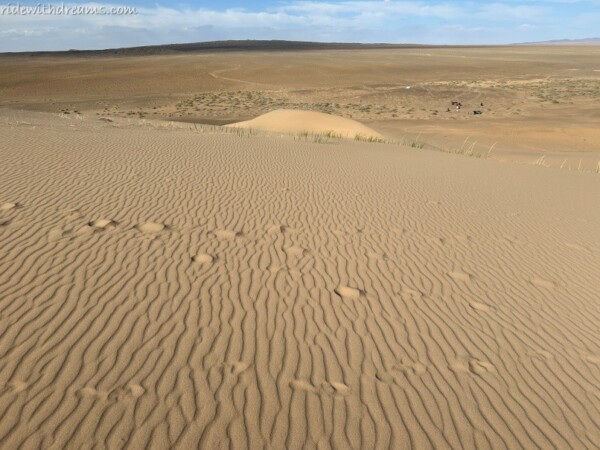
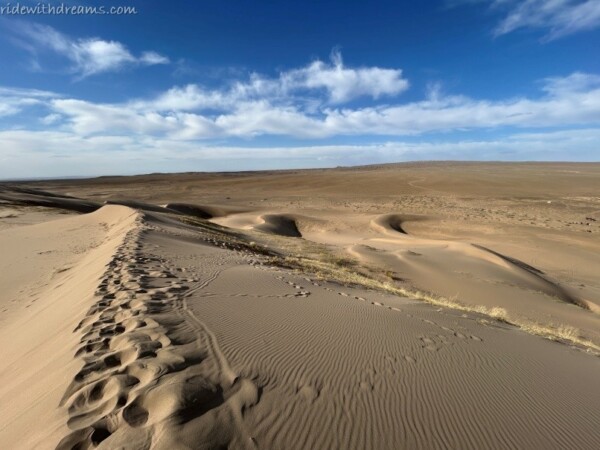
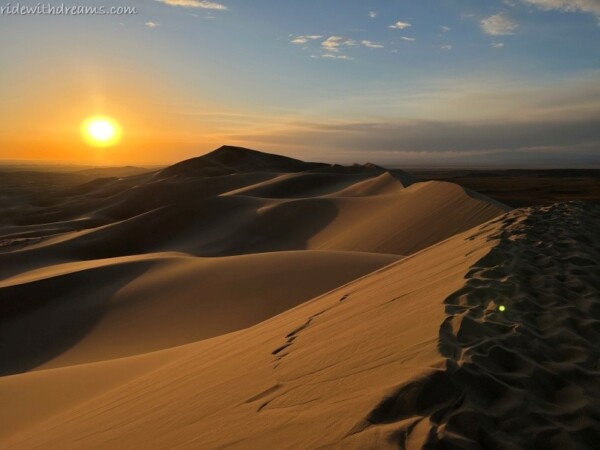
The most unforgettable experience was climbing the tallest sand dune.
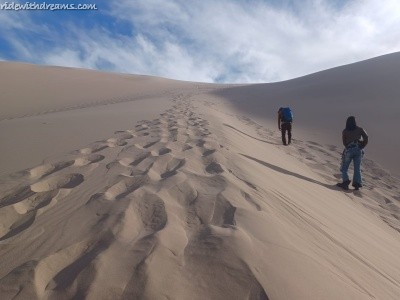
The climb was incredibly steep and exhausting. Eventually I removed my shoes and climbed barefoot, using both hands to help pull myself upward.
It took us over 40 minutes to reach the top.
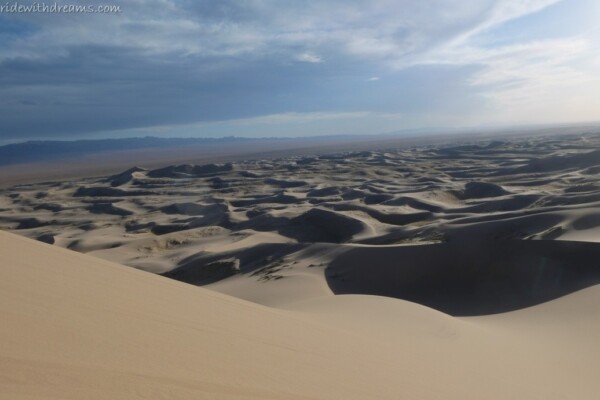
But the view was absolutely magnificent.
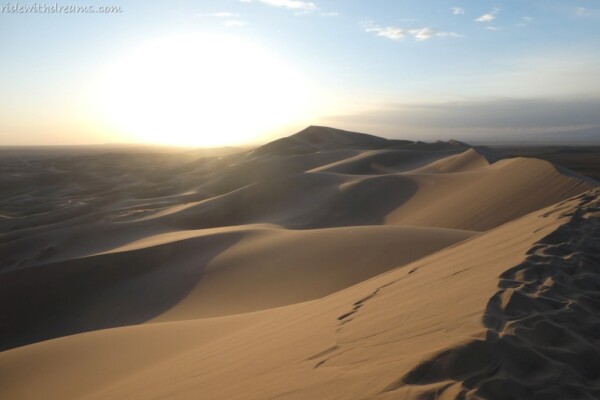
On the other side of the dune stretched endless untouched waves of sand with no signs of human life. We stayed there until sunset, watching the golden light slowly transform the desert.
Some tourists carried sleds so they could slide back down the dunes.
The dune was so enormous that even walking back down took us nearly 20 minutes.
Day 5 — Flaming Cliffs & Ongi Monastery
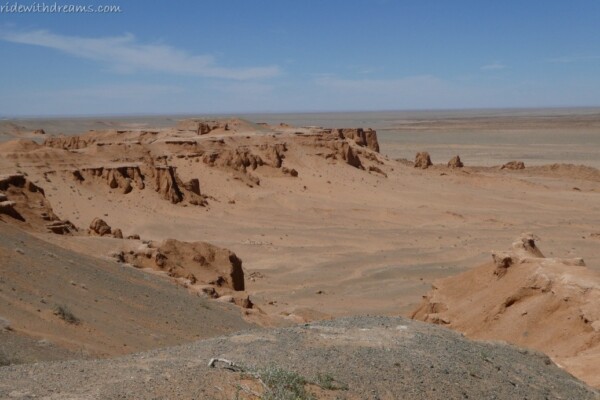
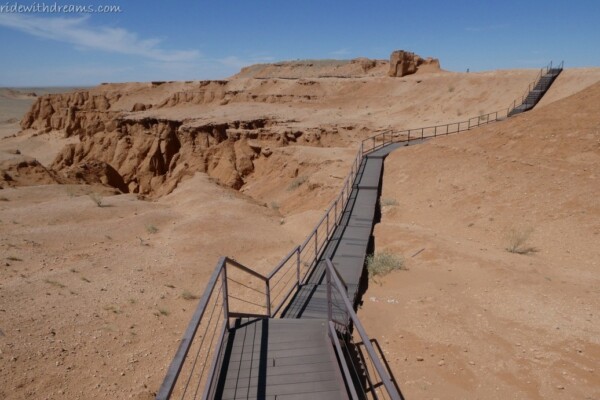
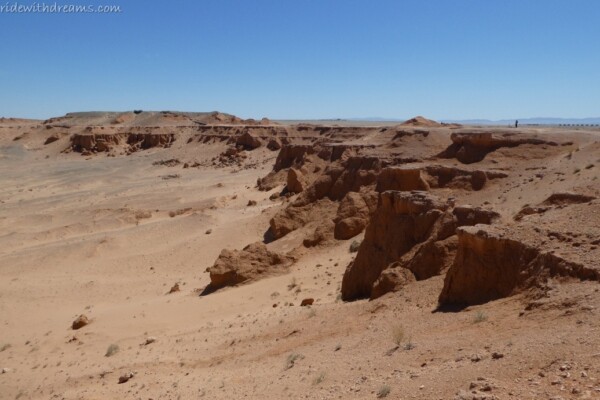
Flaming Cliffs became one of my favorite places in Mongolia.
This was where dinosaur eggs were famously discovered in 1922, and standing there felt almost unreal. The deep red earth and layered cliffs fully justified the name “Flaming Cliffs.”
The landscape looked ancient and untouched. I appreciated how little infrastructure had been built there — only minimal bridges and pathways — allowing the area to remain raw and natural.
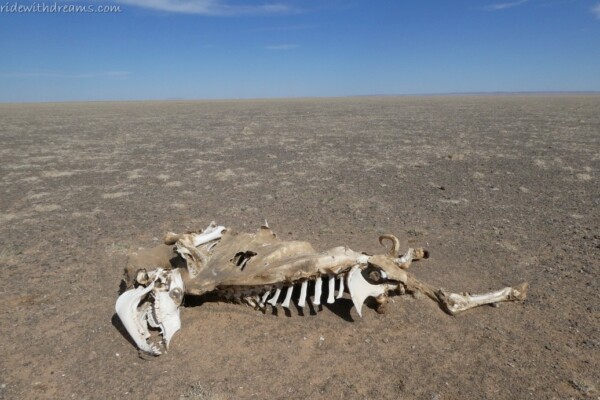
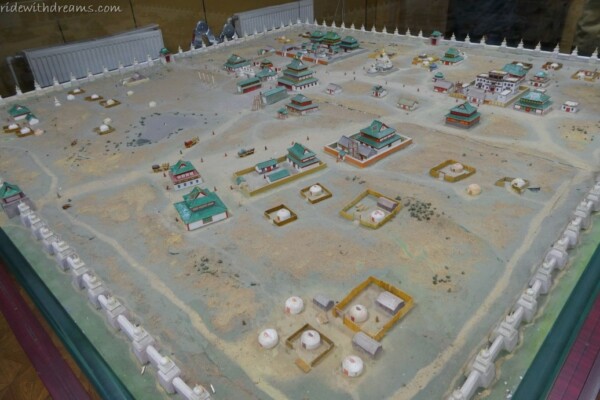
Later we visited Ongi Monastery, the ruins of what was once a large monastic settlement. The remaining structures had a strong Chinese architectural influence, and it was sad to imagine how much had been destroyed through war and political conflict.
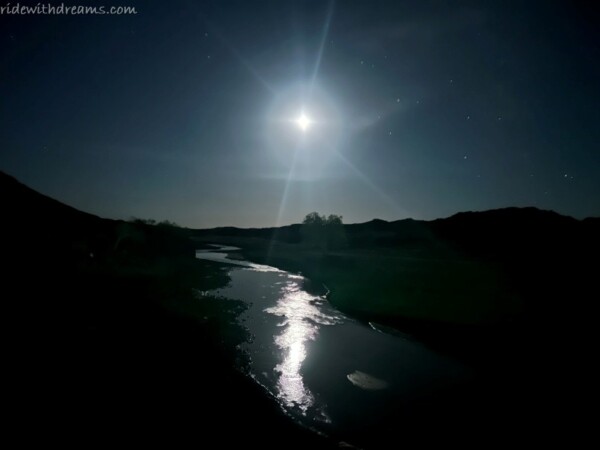
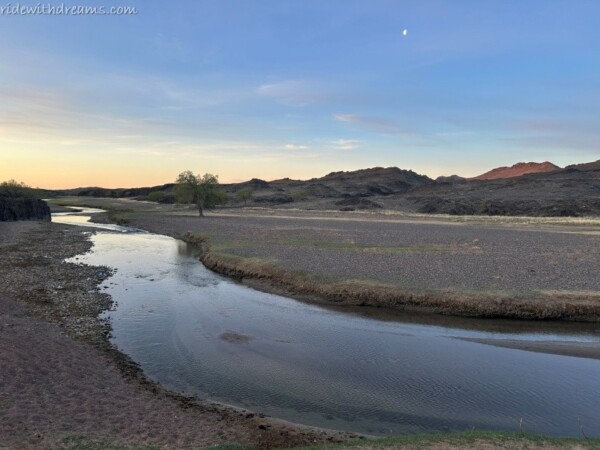
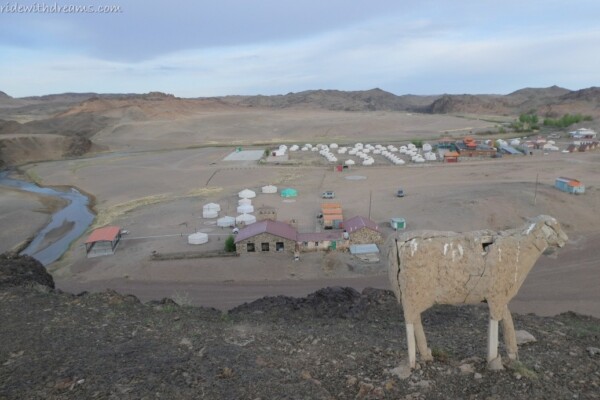
I really loved the place we stayed that night. A clear river flowed right in front of our ger, endless mountains surrounded us, and it was so quiet that the only sounds we could hear were birds singing. The camp also had modern shower and toilet facilities, along with a large restaurant building.
I thought I could finally enjoy a comfortable hot shower there. But halfway through my shower, the lights suddenly went out — and then the water stopped too. It turned out there had been a temporary blackout.
Covered in soap, freezing behind the shower curtain, I spent the next 10–15 minutes desperately crying out for help. Eventually, our guide heard me and brought over some water in a cooking pot — not even a bucket. Using that tiny amount of cold water and a torchlight, I had to rush through the rest of my shower in complete darkness. It was definitely an unforgettable experience.
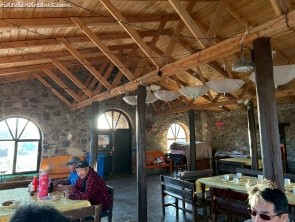
The electricity finally came back during dinner, while everyone was eating in the dark restaurant. Our guide told us that blackouts happen quite often in Mongolia, and backup generators are uncommon. People usually just wait patiently for the power to return.
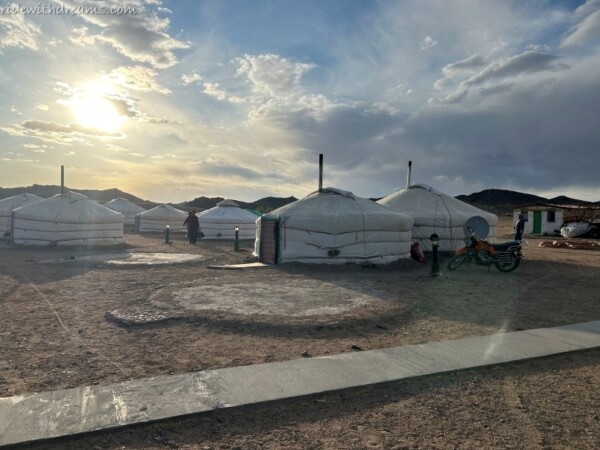
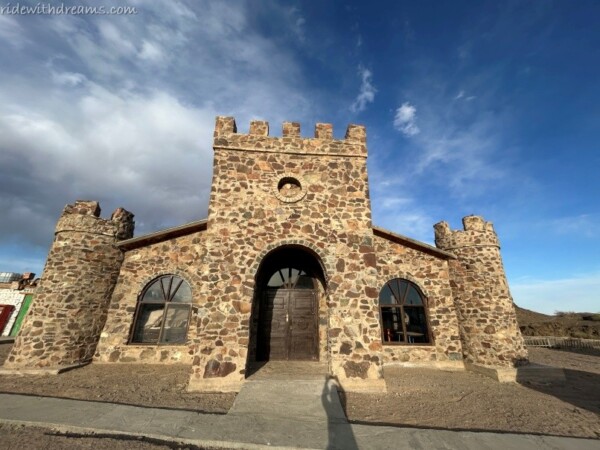
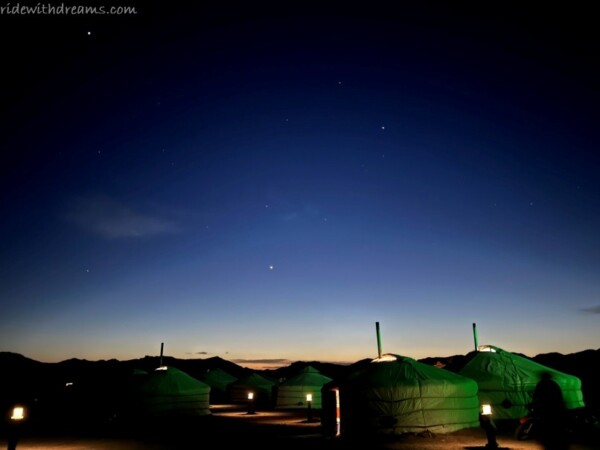
Day 6 — Kharkhorin
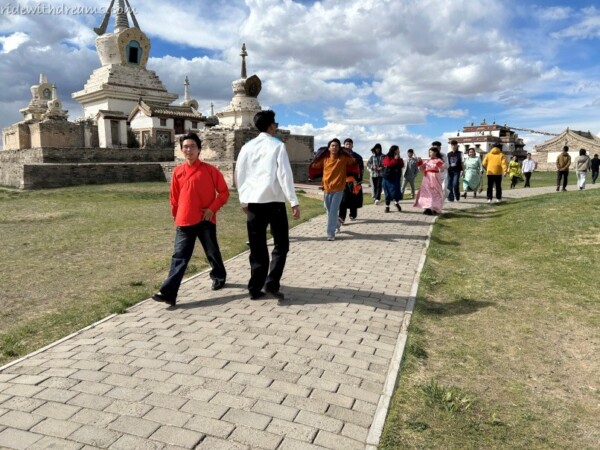
Kharkhorin was rich in history and Buddhist culture. The monasteries were filled with beautiful paintings, sculptures, and stories from Mongolia’s past. What fascinated me most, however, was seeing so many young Mongolians visiting in colorful traditional clothing. I later learned that many of them come here around graduation as part of a tradition. It was striking to see how distinct Mongolian features and culture felt, adding even more depth to the experience of visiting this historic place.
Personally, I found myself more drawn to Mongolia’s natural landscapes than historical sites, but it was still fascinating to learn about the country’s spiritual heritage.
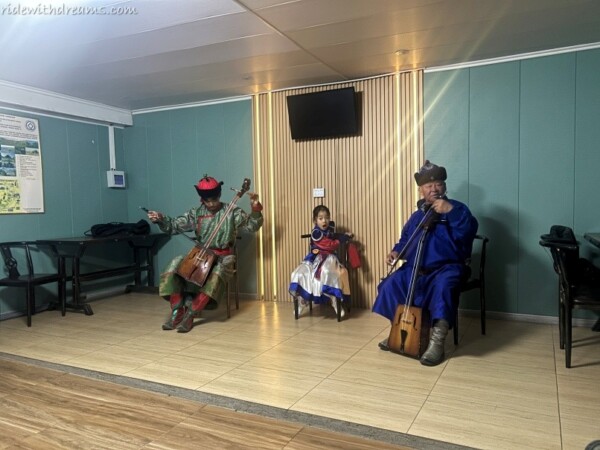
That night we stayed at one of the most comfortable ger camps of the trip, surrounded by more international travelers.
Inside the camp restaurant, there was a small traditional Mongolian music and dance performance. At first, I did not expect much — just an elderly man, a teenage boy, and a little girl around six years old.
But the performance became one of the most memorable nights of the journey.
The man’s singing was powerful, the boy played his instrument beautifully, and the little girl danced with incredible skill and confidence.
Day 7 — Returning to Ulaanbaatar
On the final day, we spent hours driving back toward Ulaanbaatar.
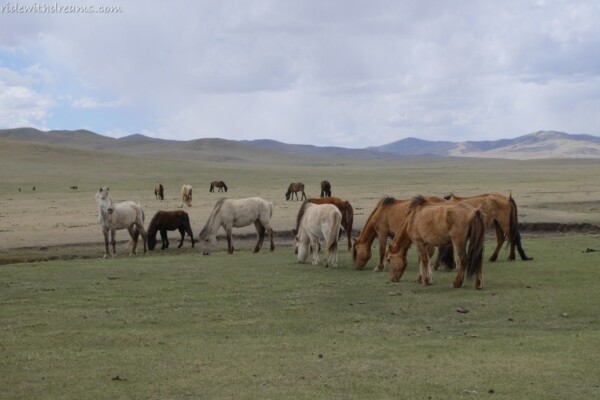
As we approached the city, we saw more horses, cows, and settlements appearing across the landscape. Watching horses freely roaming the open fields became one of my favorite memories of Mongolia.
The trip was not always comfortable.
The roads were extremely rough every day, making it difficult to do anything except nap or stare out at the scenery. Most ger camps had either weak hot showers, unstable water supply, or only cold water. Toilets were often simple wooden or brick structures with a deep hole in the ground.
And yet, this simple lifestyle felt incredibly refreshing.
Without constant internet access or digital distractions, I became more aware of the world around me.
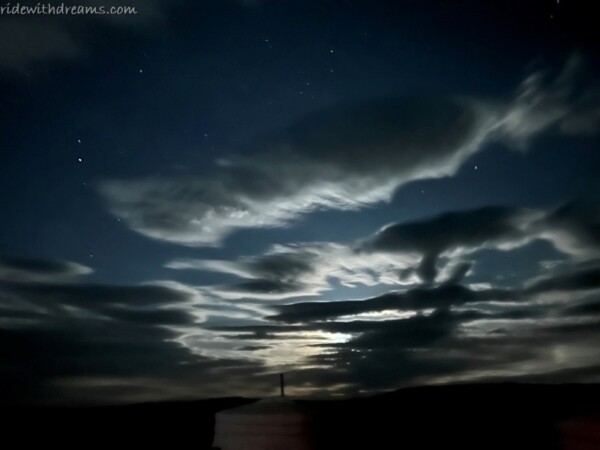
Every night, when I stepped outside to use the toilet, the sky was completely dark and filled with stars. There was no fear — only silence and open space.
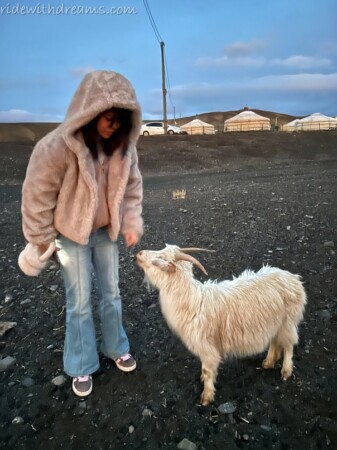
Every morning, sheep and goats grazed right outside our unlocked ger door. They would briefly glance at us before continuing to pull fresh grass from the earth.
One ger camp had especially friendly dogs. A puppy became so attached to me that it constantly licked my feet and tried to sneak inside our ger. I eventually had to pick it up like a baby and carry it back outside.
I still miss that puppy.
In fact, I miss all the animals we encountered in Mongolia. Unlike zoo animals or household pets, these animals lived freely where they truly belonged, calm and completely unafraid of humans.
Ulaanbaatar
We only spent two nights in Ulaanbaatar, but the city itself was surprisingly interesting.
It still felt young and rapidly developing, with construction happening everywhere. At the same time, there were plenty of convenience stores, restaurants, and modern buildings.
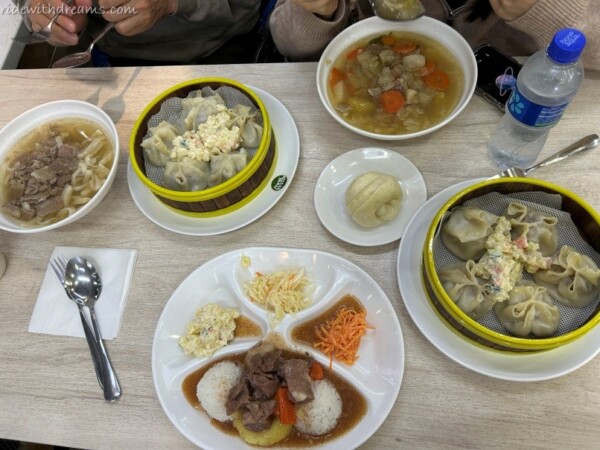
We tried both local fast food and more expensive restaurants, and both were excellent.
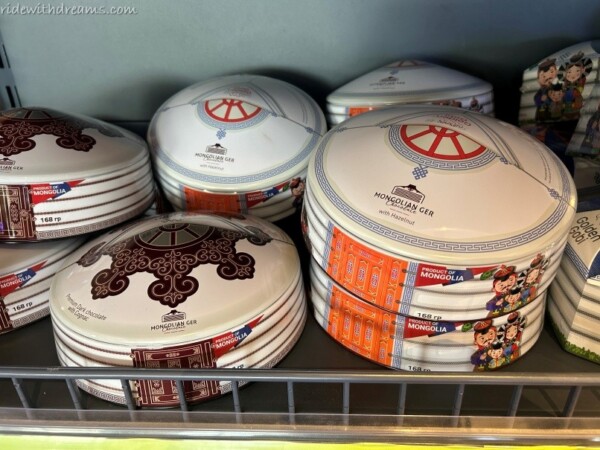
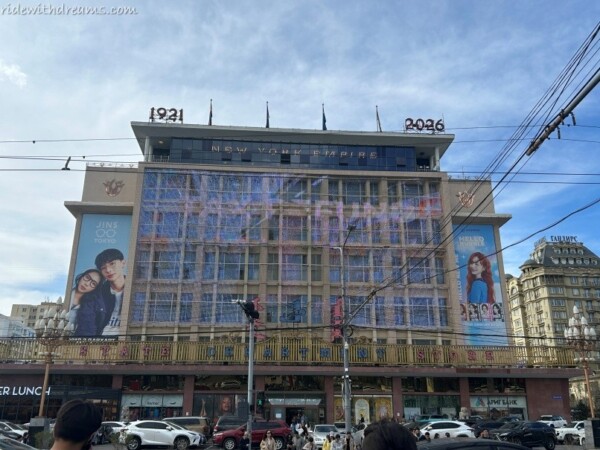
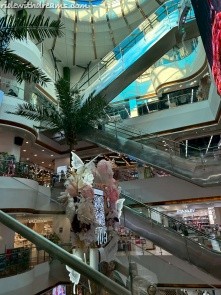
On our final day, we explored State Department Store, a seven-floor shopping center within walking distance of our hostel. It had everything we needed, from souvenirs to supermarkets.
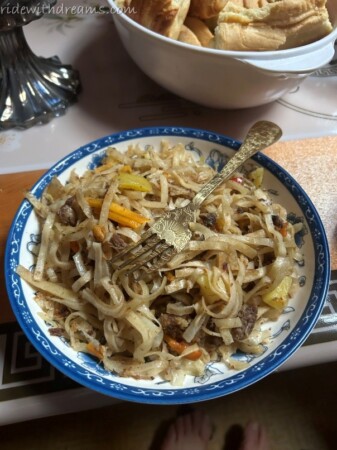
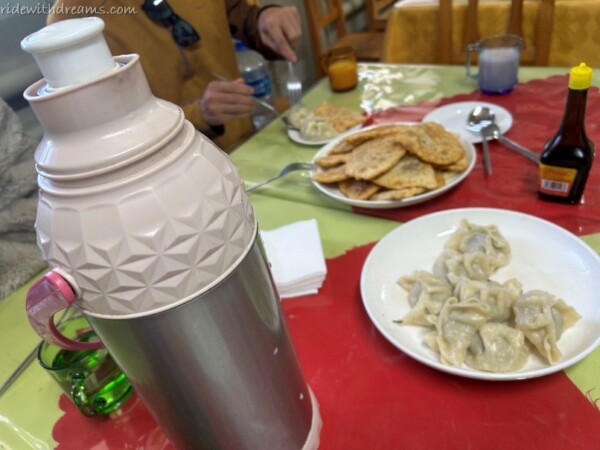
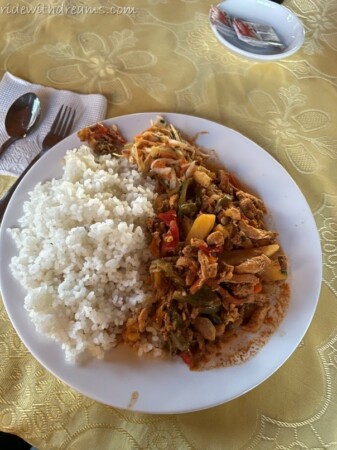
Traditional Mongolian cuisine mainly consisted of salty milk tea, dumplings, and noodle dishes with lamb or beef. Fresh vegetables, chicken, and fruits were less common because many were imported.
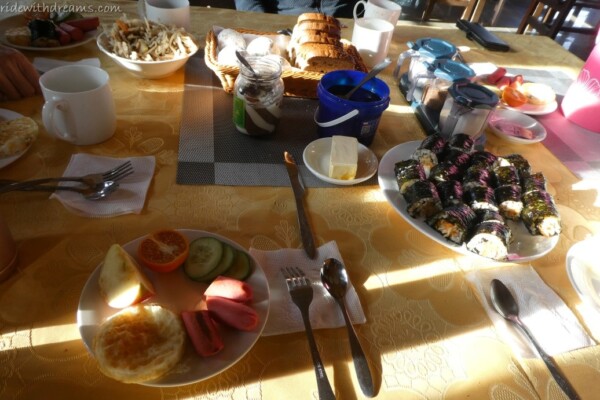
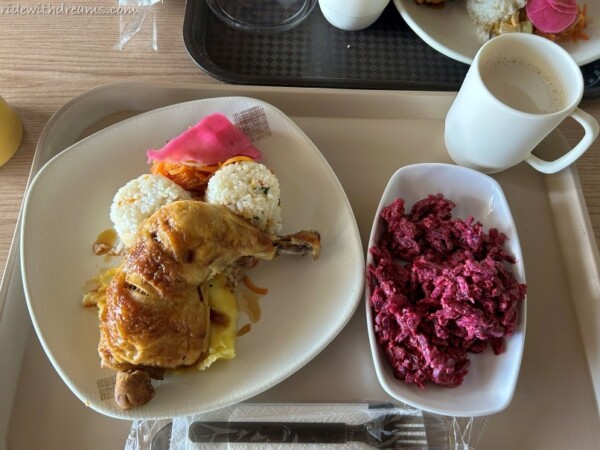
Still, Muugii regularly prepared surprisingly rich breakfasts for us with bread, eggs, bacon, and fruit.
Final Thoughts
I fell deeply in love with Mongolia’s landscapes, silence, and way of life.
This journey was more than just travel — it truly opened my eyes. From endless steppes and dramatic deserts to the warmth and simplicity of nomadic life, Mongolia gave me a new perspective on nature, freedom, and what it means to live connected to the land.
Mongolia is not only green fields, horses, and gers — it has so many different faces. From the vast Gobi Desert to snow-covered mountains, crystal lakes, forests, and endless steppes, every region feels like a different world. Mongolia is wild, diverse, and full of surprises far beyond the image most people imagine.
Someday, I hope to return during winter to experience an entirely different side of the country — to visit the reindeer tribes, see the frozen wilderness, and perhaps even try dog sledding across the snow.