Jan. 2026
A Small Town with an Extraordinary Legacy
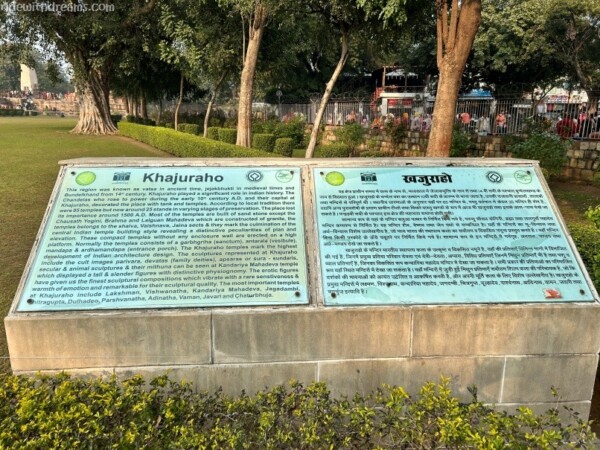
Khajuraho is a small town in central India, renowned for its extraordinary group of UNESCO World Heritage temples. Built between the 10th and 12th centuries by the Chandela dynasty, these temples are celebrated for their intricate stone carvings depicting gods, celestial beings, scenes of everyday life, and human intimacy with remarkable artistry.
Set against a quiet rural landscape, Khajuraho offers a striking contrast between its serene surroundings and the bold, expressive creativity carved into its ancient monuments—making it one of India’s most fascinating and unforgettable destinations.
A Delayed Arrival and a Cultural Shock at the Station
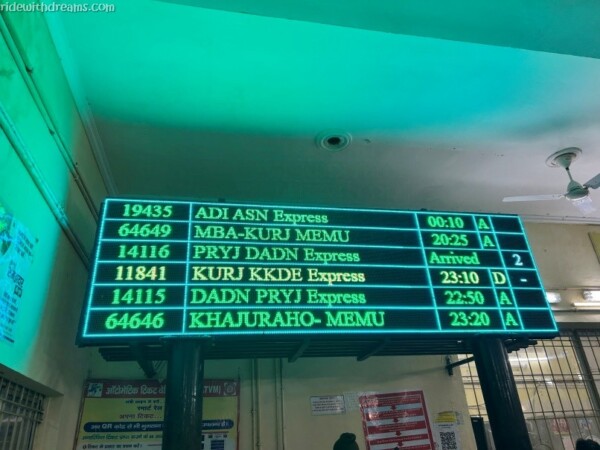
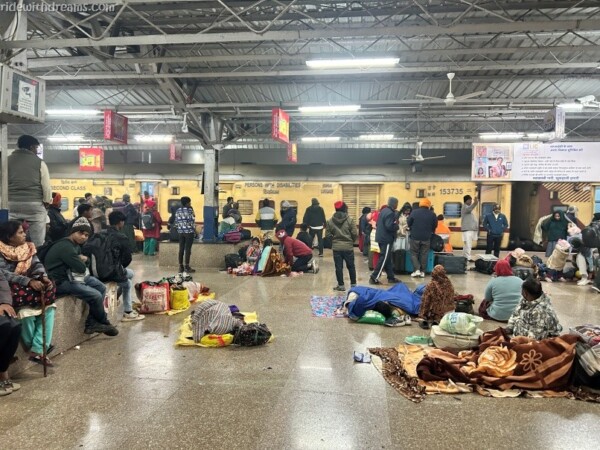
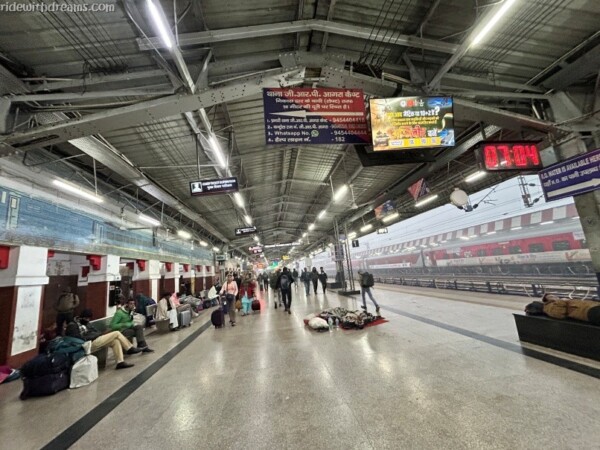
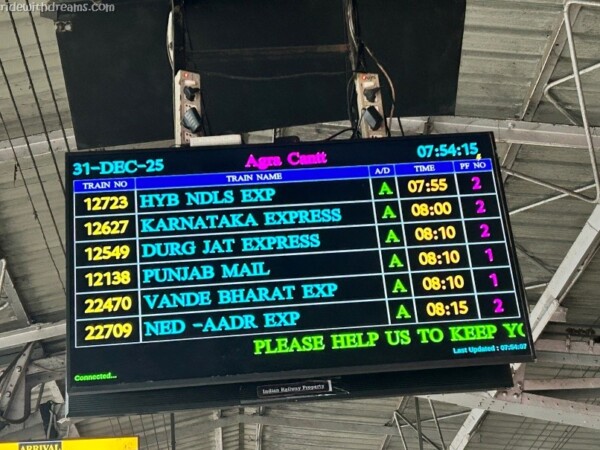
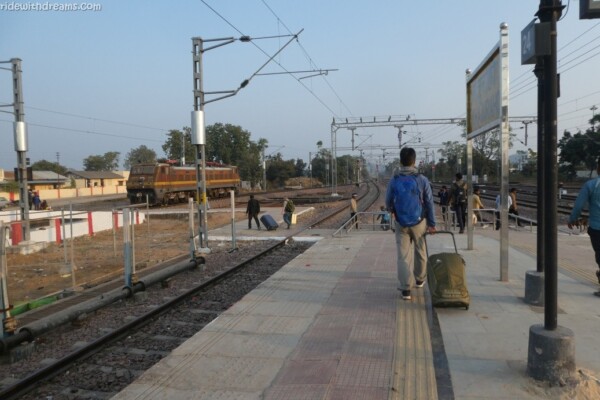
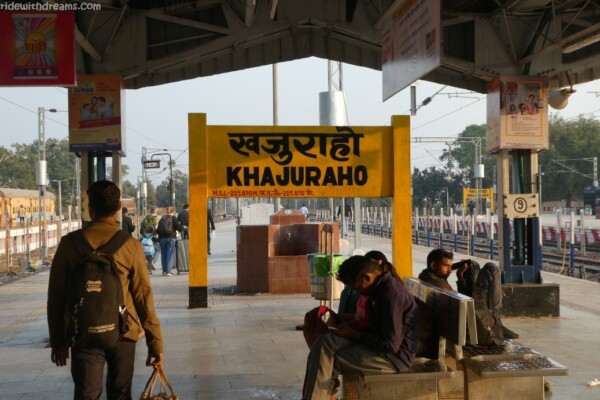
Our train ride to Khajuraho was once again delayed by several hours. The station was much smaller than those in Delhi or Jaipur, with only six platforms, and relatively short ones at that. Still, it took me quite some time to locate a toilet.
Eventually, I discovered that the station had separate male and female waiting rooms, and the genders truly did not mix. The male toilet was located only inside the male waiting room, and the female toilet only inside the female waiting room. Unfortunately, the women’s waiting room was crowded with mothers and crying children. There was only one female toilet, but two changing rooms—a subtle reflection of how important modesty and covering up are for women here.
What frustrated me most was that the single female toilet was often occupied by children. I waited a long time for a little boy to come out and couldn’t help wondering why he wasn’t using the male toilet instead. The long-rooted tradition that places childcare responsibility almost entirely on women made the situation feel deeply unfair and exhausting.
Executive Class: A Pleasant Surprise
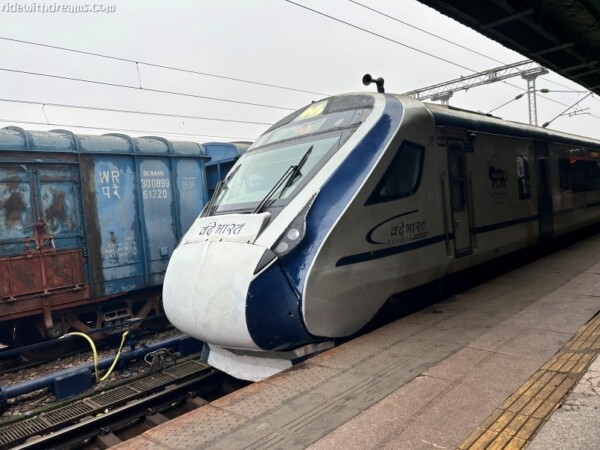
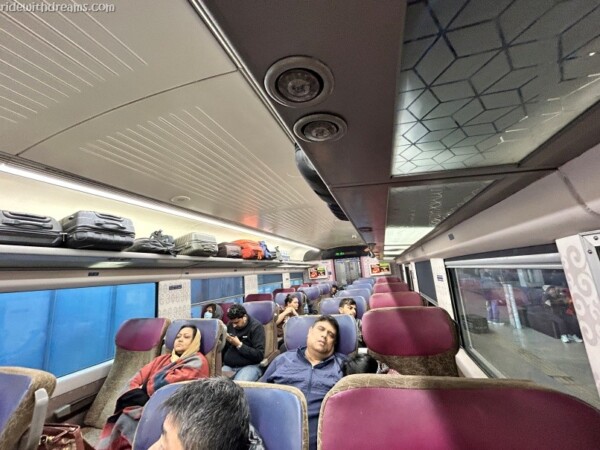
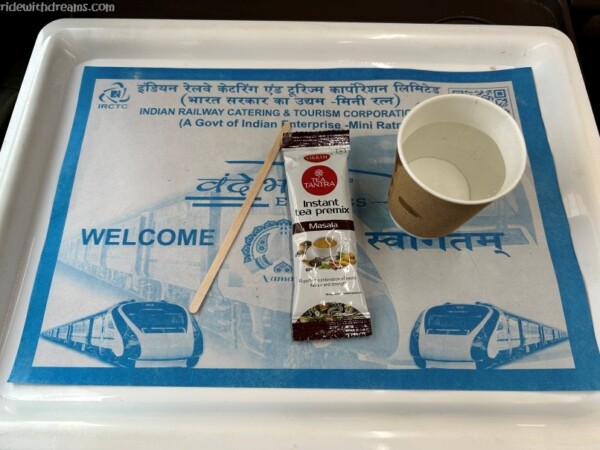
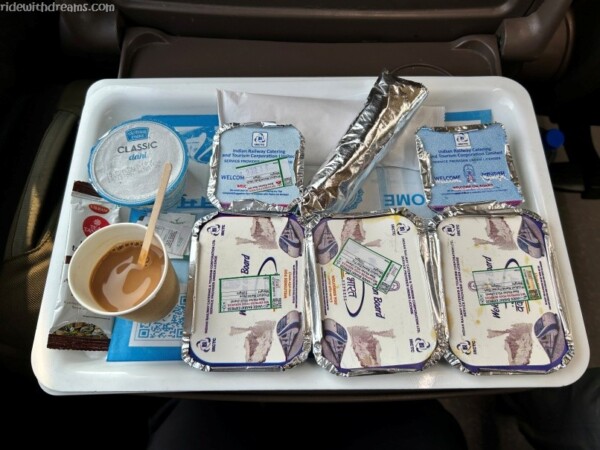
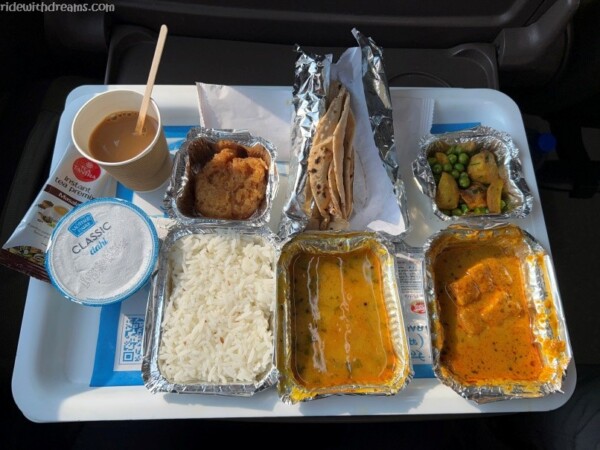
This time, however, we managed to secure Executive Class seats, and they were fantastic. Staff regularly served and refilled chai and tea (instant, but comforting), and despite the journey lasting only a few hours, it included two hot meals and snacks.
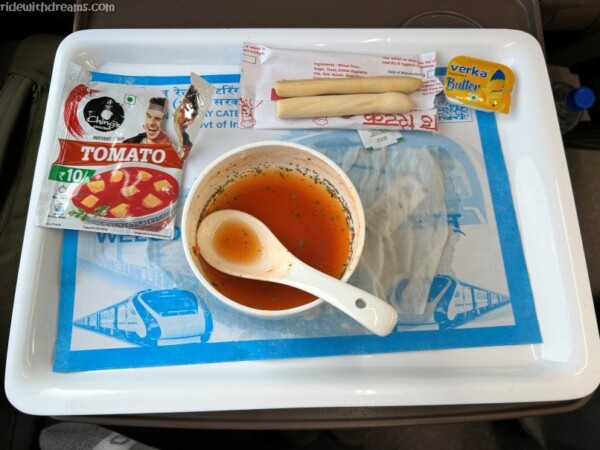
The meals were surprisingly good—no worse than those served on international flights—complete with juice, bananas, yogurt, and even tomato soup. Each of us was also given a 1.5-liter bottle of water, more than enough for the journey. I appreciated the experience so much that I found myself wishing I could take Executive Class trains more often.

First Impressions of Khajuraho
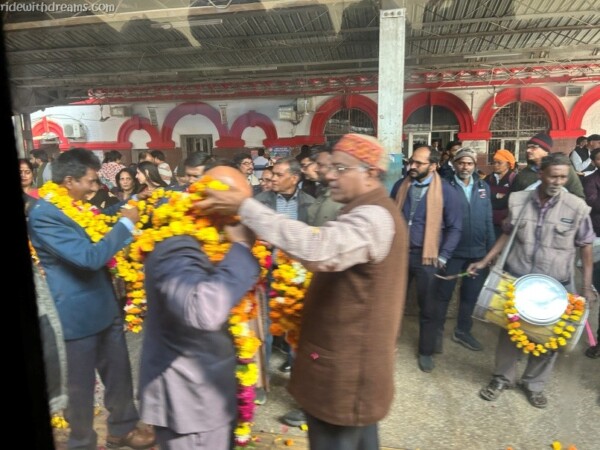
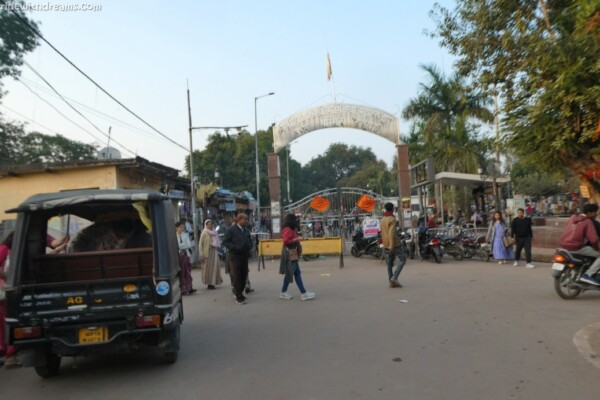
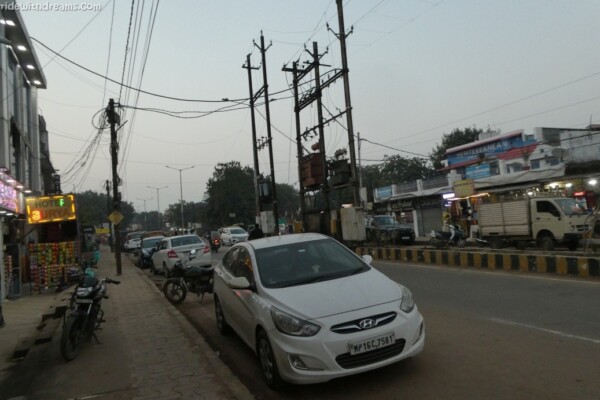
By the time we arrived in Khajuraho, it was almost evening. The town felt incredibly small and quiet. There were only a handful of hotels, all clustered around the UNESCO World Heritage temple complex, where nearly all visitors come for.
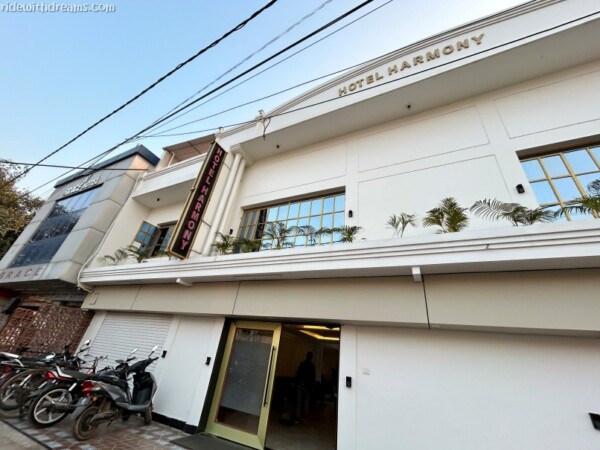
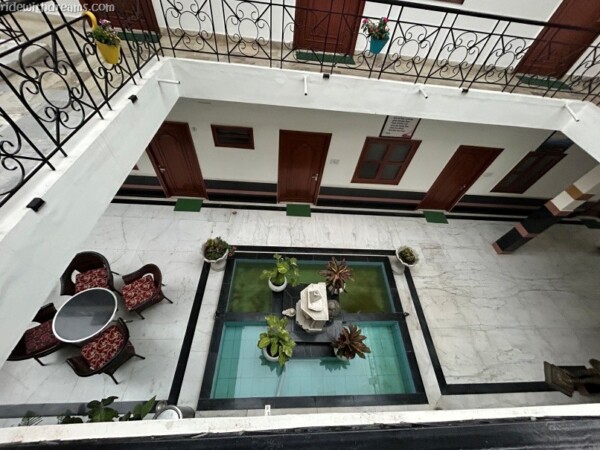
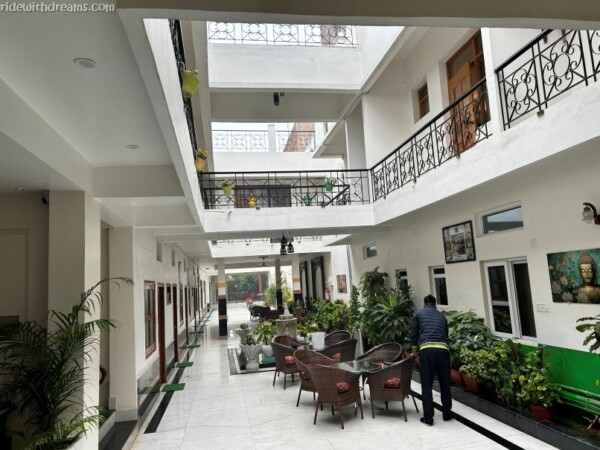
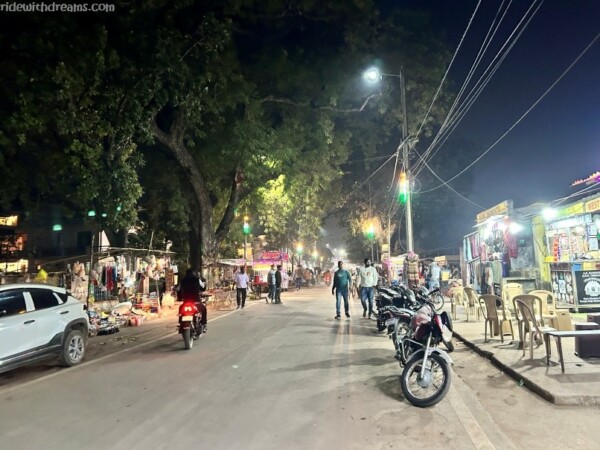
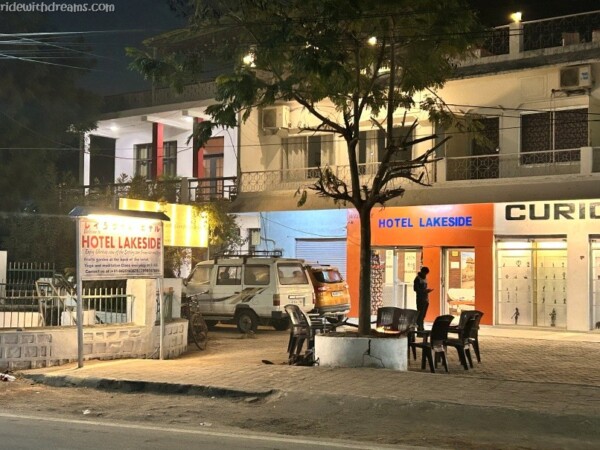
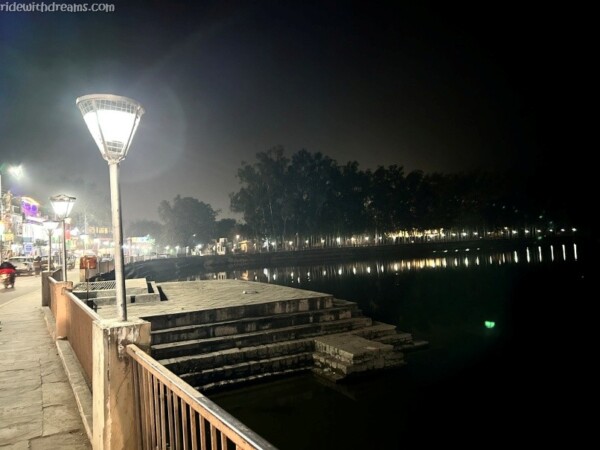
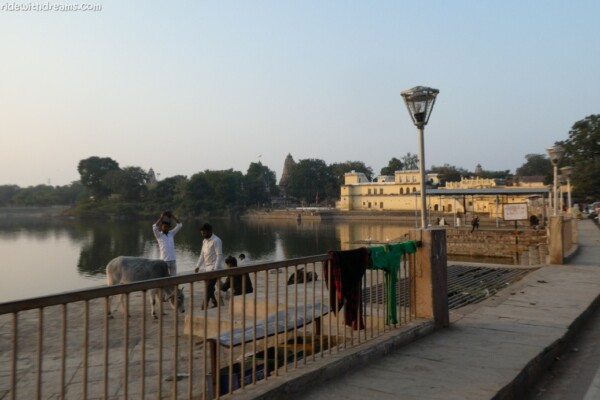
We stayed at Hotel Harmony, a mid-range hotel with an elegant interior that also offered spa, massage, and meditation services. As it was the New Year holiday, there were quite a few local tourists, but surprisingly few foreigners. The town had just one main street, running along the riverbank—a pleasant place for a quiet evening walk.
An Unexpected Conversation
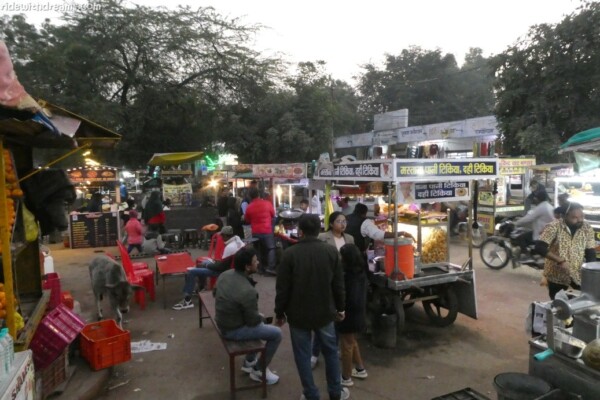
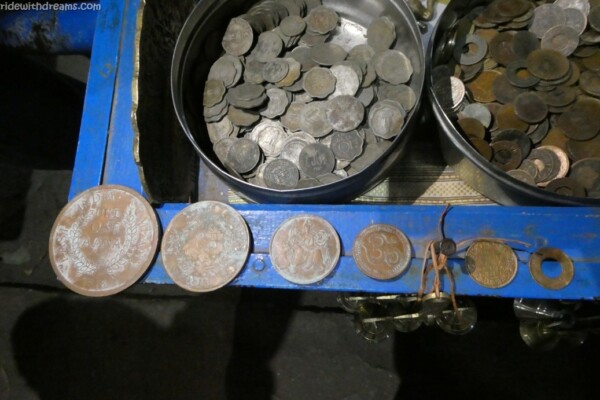
There were only a few souvenir shops, local stores, and a small market with street vendors—not particularly remarkable at first glance. However, we met an Indian man who proudly told us that he had lived in Japan for many years and still owned several hostels in both Osaka and Khajuraho, his hometown.
He shared how he had grown up extremely poor, but through business instincts and the help of Japanese friends, he managed to build a successful life. He spoke with deep gratitude for Japan and Japanese people and even invited us to his home and one of his hotels for tea. It was a brief but meaningful encounter that added warmth to our stay.
Temple-Hopping the Smart Way
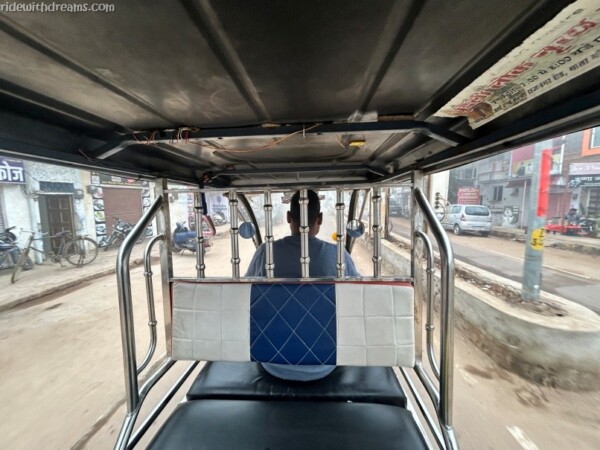
The next morning, the hotel front desk suggested that we take an auto-rickshaw to visit the Western and Southern groups of temples first, then return to explore the Eastern Group, which was within walking distance of our hotel.
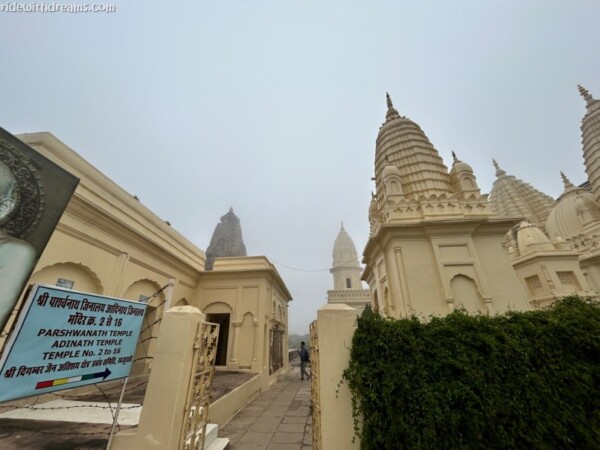
The Western and Southern temples were smaller and free to enter, though some locals casually asked for tips. Only the Eastern Group required an entrance fee. Even then, tickets could not be purchased on-site—they had to be bought online using local credit cards. We had to ask the hotel to help us purchase and print the tickets. Many local guides gathered at the entrance, but we chose to explore the temples on our own.
Temples Unlike Anything Else
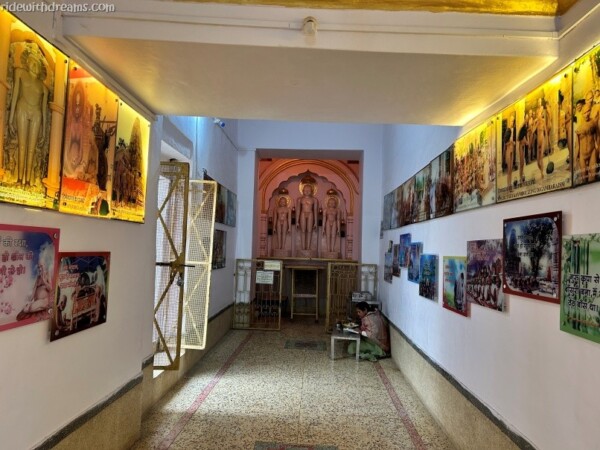
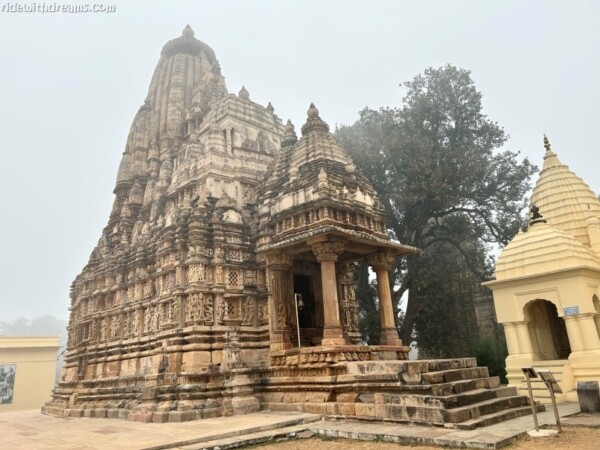
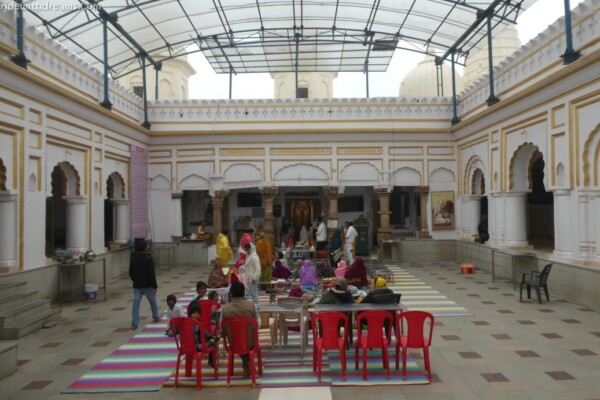
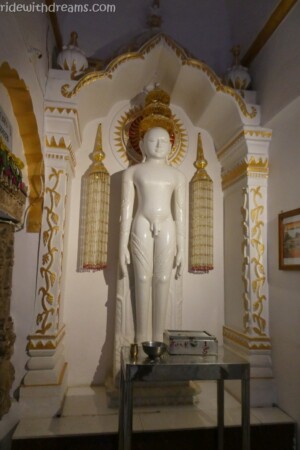
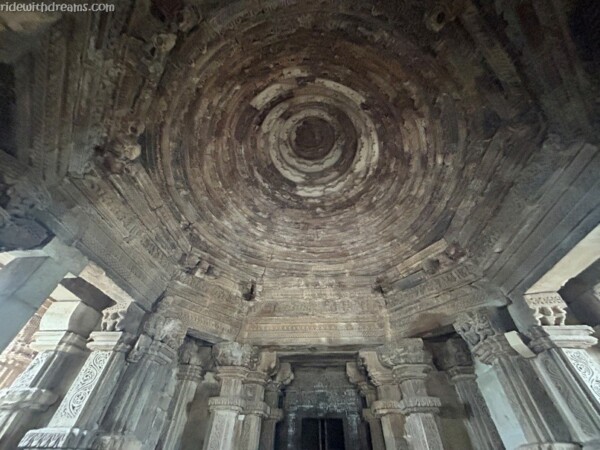
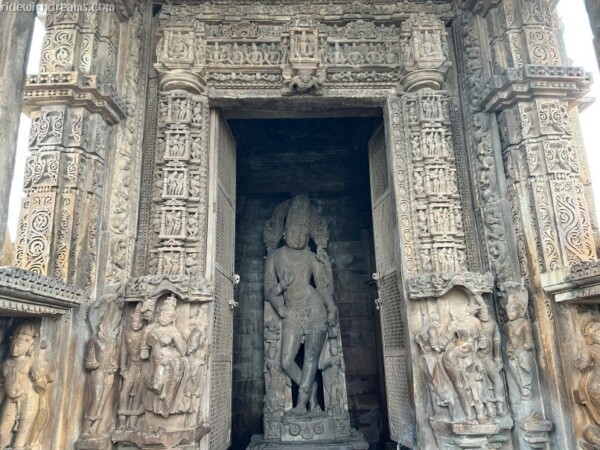
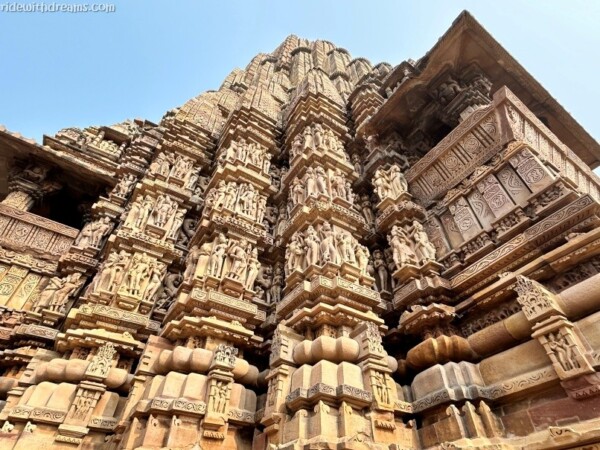
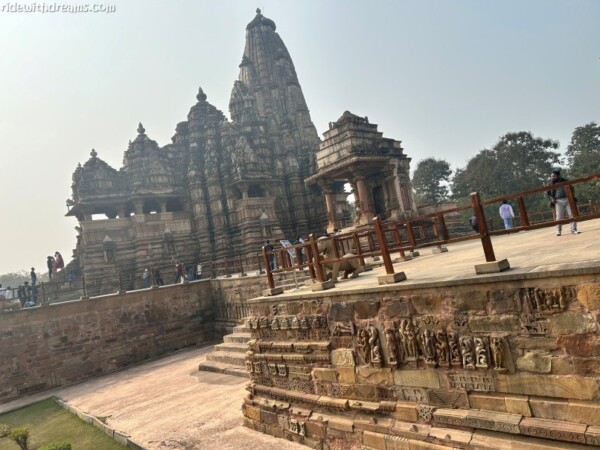
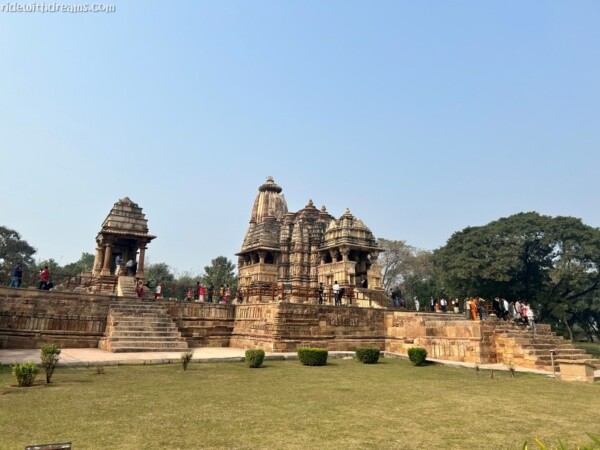
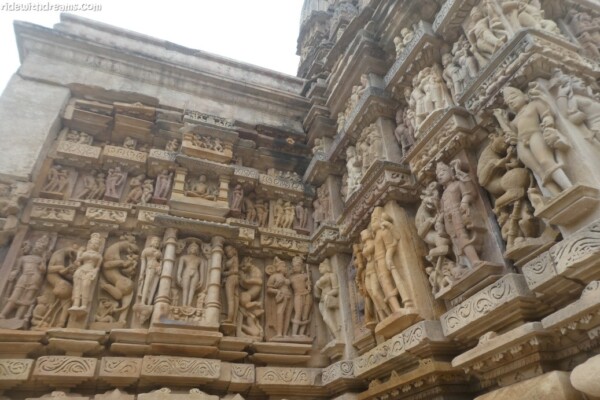
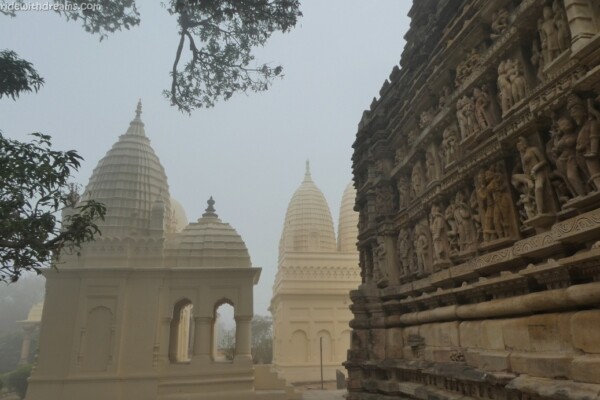
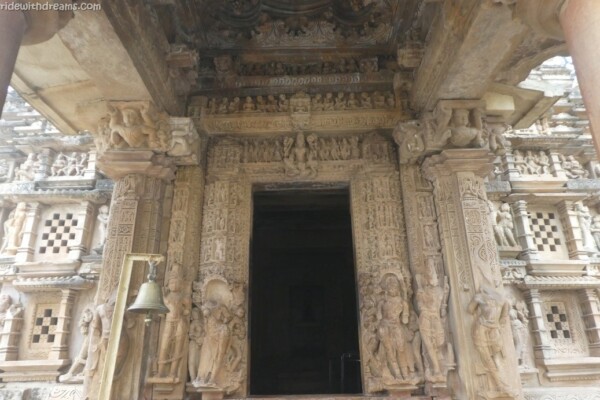
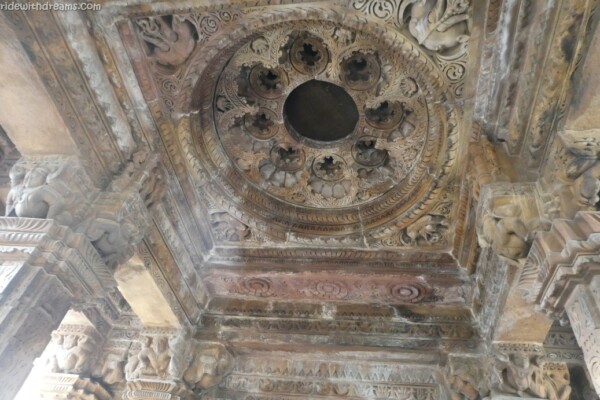
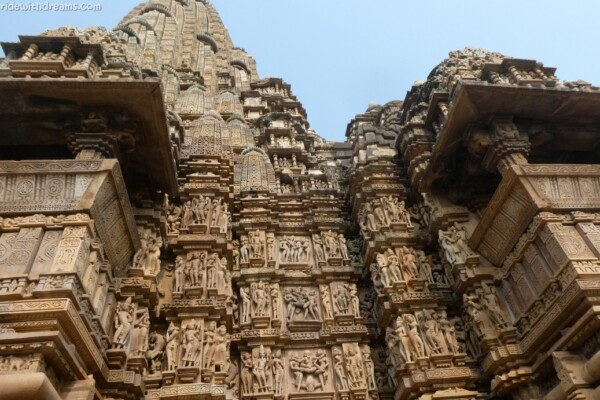
The temples of Khajuraho were breathtaking—unlike anything I had ever seen. Spread across vast gardens, more than ten temples stood adorned with incredibly lively sculptures: men and women frozen in stone, dancing, embracing, loving. These carvings are exactly what Khajuraho is famous for.
It was difficult to reconcile such open expressions of sexuality and desire with the generally conservative image of Indian culture. Yet here they were, carved proudly into sacred architecture—not hidden, but celebrated as part of life itself.
Curiosity, Cameras, and Unexpected Kindness
Many young people were visiting Khajuraho, often in groups, almost like school trips. Some wore colorful and beautiful traditional clothing, clearly there to take photos. Khajuraho is a popular photography spot.
They were especially curious about us as foreigners. Some approached politely to ask if they could take photos with us. Once we agreed, more friends joined in, and soon we were surrounded—almost like celebrities. Afterward, they shook our hands and thanked us sincerely.
I was both surprised and overwhelmed by their kindness. Media often portrays Indians as uneducated or rude, but that couldn’t have been further from the truth. Experiences like this made me wish more people would come and see the real India for themselves.
A Long Night and an Exhausting Return
Our return train was delayed until midnight, and by then we were cold and exhausted. We paid for extended hours at the hotel so we could rest and take a short nap. We were so tired that we ordered only soup from room service for dinner.
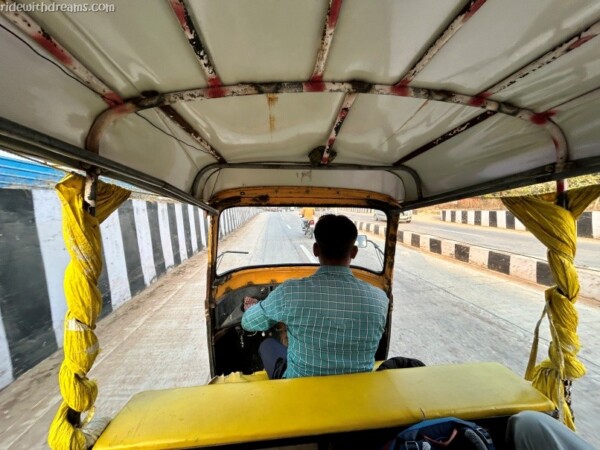
Thanks to the hotel’s kindness in letting us stay longer, we managed to recover a little. They arranged an auto-rickshaw to take us to the station. Even though it was only around 9 or 10 p.m., the streets were already dark and quiet. Without the hotel’s help, we likely wouldn’t have found an auto on the street.
As we approached the station, traffic increased—clearly others were heading for the same delayed train back to New Delhi, marking the end of the New Year holidays.
Seven Hours Late, But Still Grateful
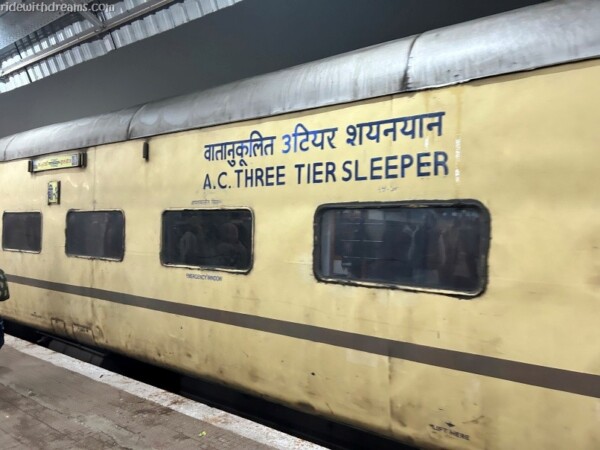
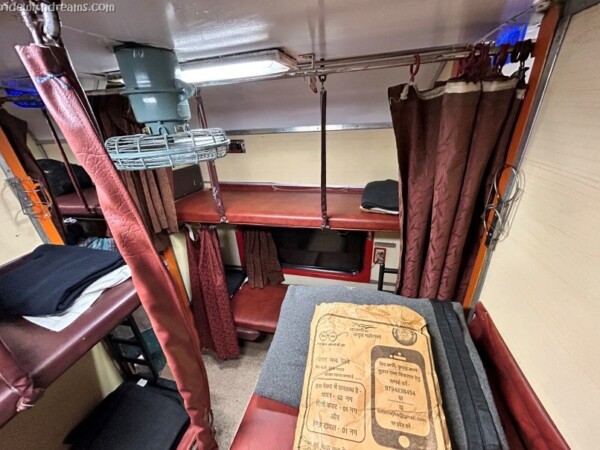
The train was extremely crowded. We couldn’t secure a first-class cabin and ended up with second-class sleeper berths instead. While the beds were clean and equipped with fresh sheets, there were no meals and no private space. We were assigned upper berths, making it difficult to climb down for food or toilet breaks.
Thankfully, the carriage was relatively quiet. There was air-conditioning, clean toilets, charging outlets, reading lamps, curtains, and dimmed hallway lights at night, which allowed us to get some sleep. Still, the next day was exhausting. The train crawled along, stopping frequently.
Originally scheduled to arrive in New Delhi the next morning, we finally arrived just before dark, more than seven hours late. We had lost an entire day. Completely drained, we had an early dinner and retired straight to our hotel.
Conclusion: Why Khajuraho Lingers
Khajuraho may be small and remote, but it left a powerful impression on me. Beyond the famous temples, it was the people—the curious students, the generous strangers, the thoughtful hotel staff—that gave the town its soul.
The temples tell stories carved in stone, but the warmth, contradictions, and humanity of everyday life in Khajuraho tell stories just as unforgettable. Despite delays, fatigue, and discomfort, this journey reminded me why travel is never just about seeing places—but about understanding cultures, challenging assumptions, and carrying those moments with you long after the journey ends.