
Dec 2025 – Jan 2026
Introduction
New Delhi, the capital of India, is a city shaped by centuries of history and constant change. Located in northern India along the Yamuna River, it has been a center of power for many empires, including the Mughal and British rulers. Officially established as the capital in 1911, New Delhi contrasts grand colonial architecture and wide boulevards with the dense, historic streets of Old Delhi.
Culturally, the city is a vibrant mix of religions, languages, and traditions, reflected in its food, markets, festivals, and everyday life. With extreme seasons—from hot summers to foggy winters—New Delhi can feel intense and overwhelming at first, but its energy, diversity, and rich past make it a fascinating place to explore.
Where We Stayed
- The Shanti Plaza Hotel
- Staybook Atlanta New Delhi Train Station
Places We Visited
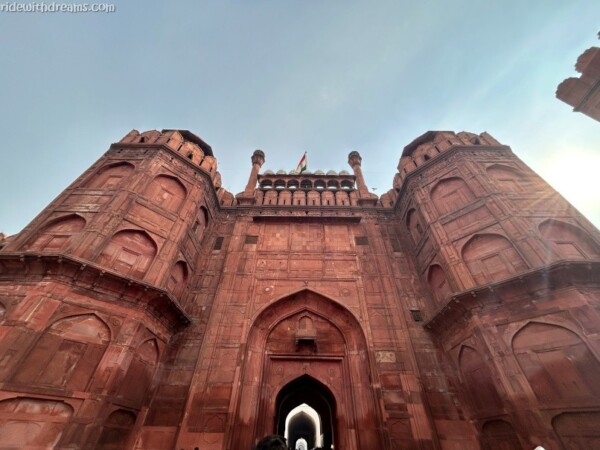
- Red Fort
- Vijay Ghat
- Sabina Traditional Indian Bazaar
- Shankar Market
- Atta Market / Palika Bazaar
- Vishal Mega Mart
Where We Ate
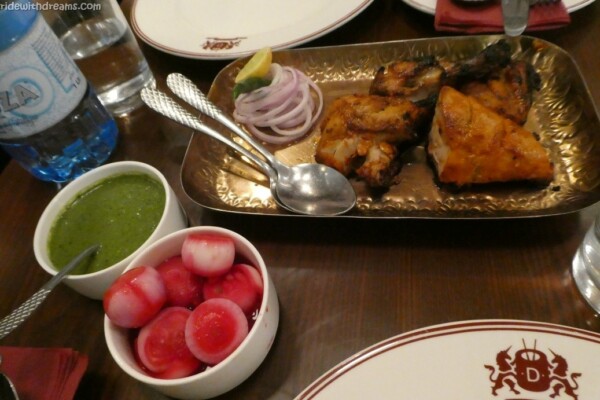
- Darbar Restaurant
- Cafe Vagabond
- The Indian Grill Restaurant
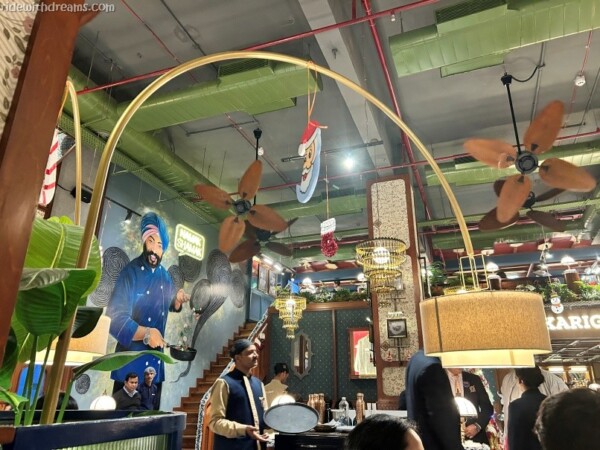
- Karigari (Connaught Place)
Arrival in New Delhi: First Impressions
We arrived at New Delhi Airport late at night. As first-time visitors to India, we decided to take the safest option we knew—Uber. However, it turned out to be more complicated than expected. To reach the Uber pickup point, we had to drag our luggage for quite a long walk, as the pickup area is located near the bus station.
Along the way, we passed a subway station that looked surprisingly new, with people actively using it. But since we had no idea how the metro system worked and had already booked an Uber, we continued on foot. What confused us most was the pickup process: instead of a license plate number, we were given a code. Any Uber driver could enter this code to connect with our booking, which felt chaotic given the huge number of cars parked around.
Despite heavy traffic and our shock at the chaotic driving conditions, we managed to reach our hotel in about 30–40 minutes. The hotel was located on a narrow, busy backstreet where cars could barely pass, so we had to get off early and walk the rest of the way.
Staying Near New Delhi Railway Station
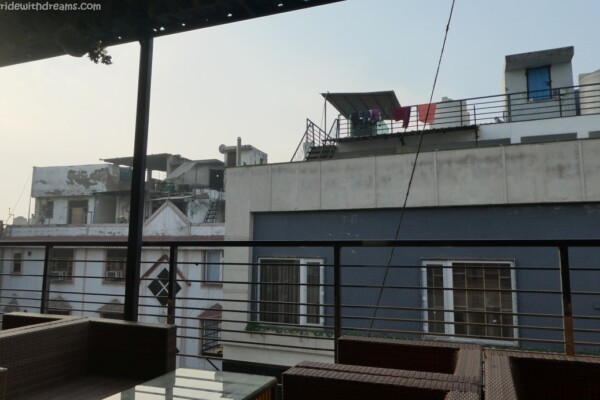
Our hotel was a mid-range one, typical of the area around NDLS (New Delhi Railway Station). The neighborhood was full of budget hotels, small restaurants, and spa or massage shops, all within walking distance.
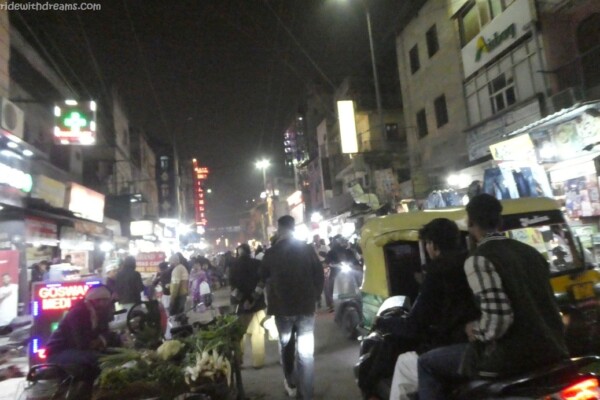
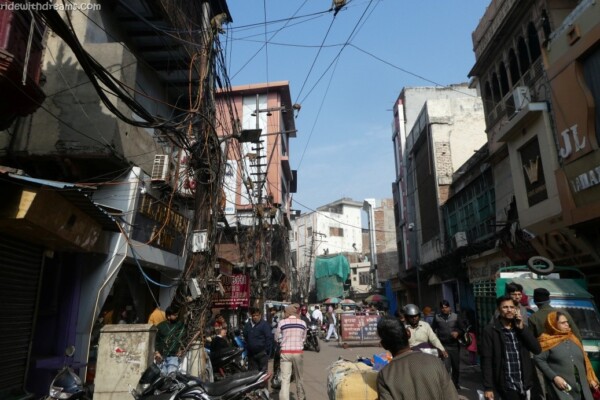
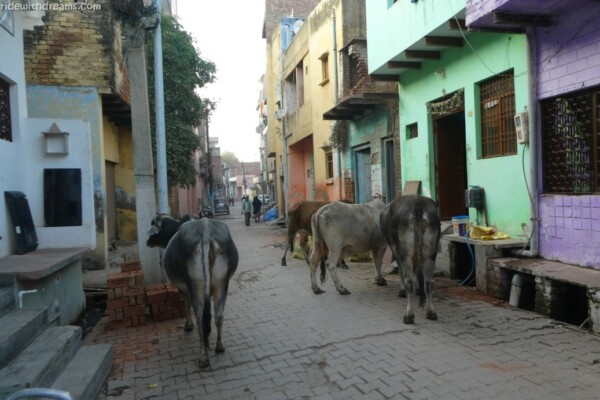
At first, I hesitated to walk outside at night. But I soon realized that although navigating through crowds, animals, uneven roads, cars, and autos (three-wheeled motorized taxis) was challenging, it didn’t feel particularly dangerous. Most locals minded their own business. Occasionally, beggars or auto drivers would ask if we wanted a ride, but they were not aggressive or persistent.
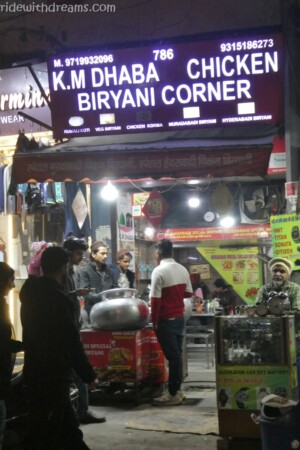
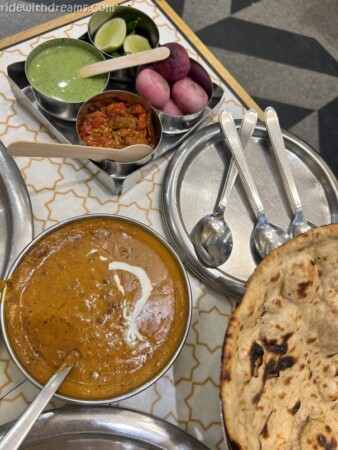
That night, we randomly chose a nearby vegetarian Indian restaurant. The prices were very reasonable, the interior was clean, and all the customers were locals. The atmosphere was quiet and comfortable. The food—especially the steamed cheese momos—was delicious and tasted far better than most Indian food I had tried back home.

Hotel Reality: Space vs. Comfort
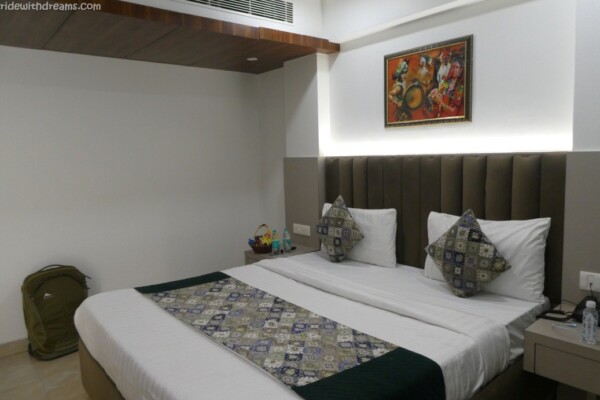
Our hotel room was spacious but clearly old. The bedsheets had stains and hair on them, which wasn’t very pleasant. We also discovered that hot water was an issue. After waiting about 10 minutes, the shower was only warm, never truly hot.
Later, we moved to another hotel in the same area, hoping for improvement. Unfortunately, it was even worse. The bathroom smelled bad, and once again, there was no hot water—until we complained to the front desk and asked them to fix it.
We eventually learned that in India, a truly hot shower can be considered a luxury. Many mid-range hotels use old boiler systems that need time to heat and store water, so hot showers are not always guaranteed.
Sightseeing and Meeting Kind Locals
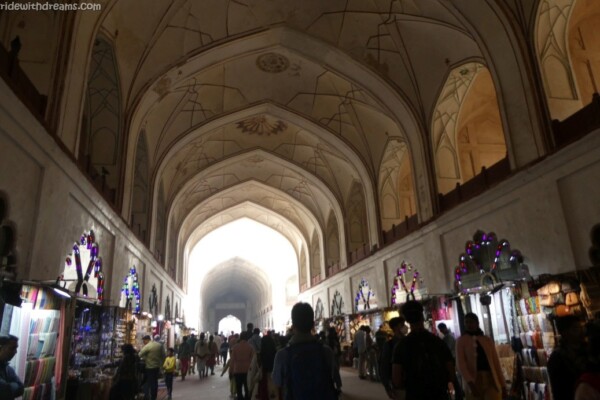
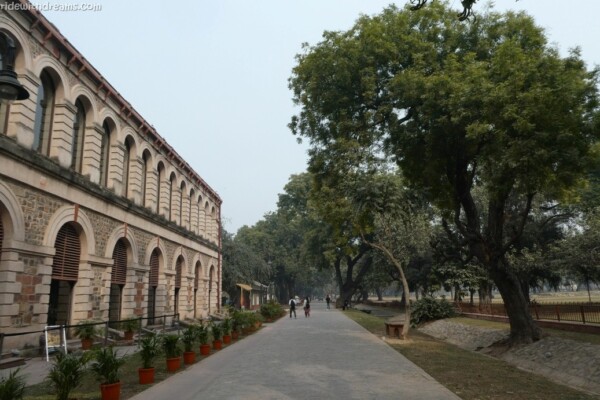
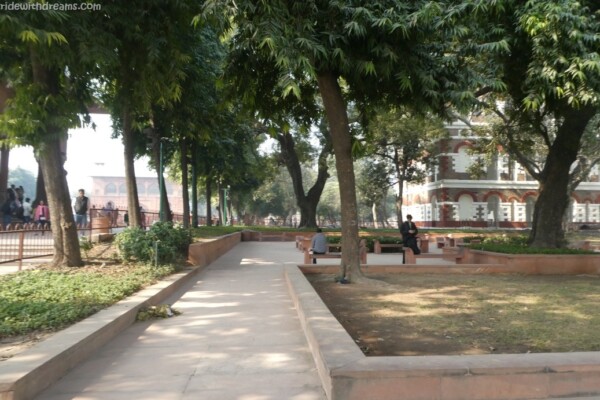
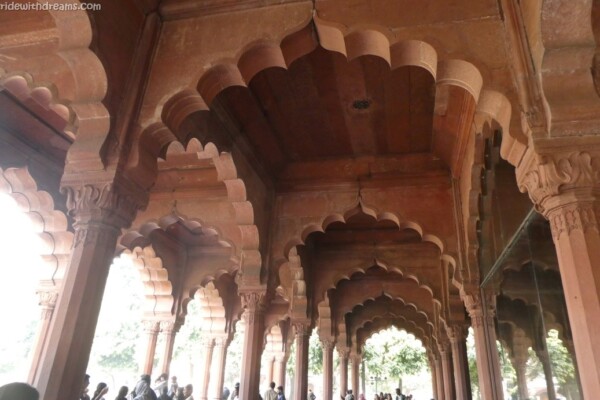
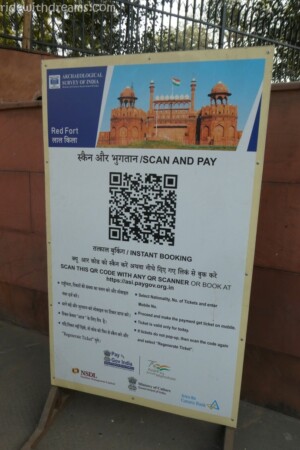
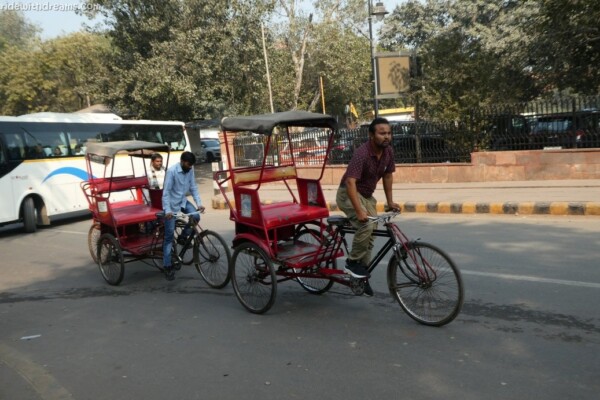
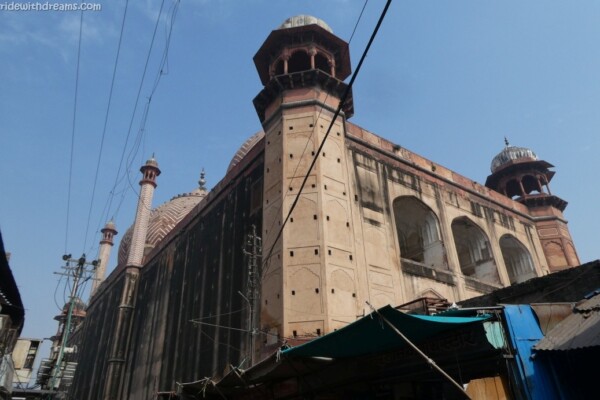
The next day, we managed to catch an auto on the street. The driver took us to Red Fort and several other sightseeing spots, waited patiently while we explored, and then drove us to Connaught Place, the main shopping district—all for a very reasonable price.
He told us he was an economics student, spoke excellent English, and was extremely polite. This experience changed my perspective and made me realize how kind and friendly many local people in India are.





Connaught Place: Shopping and Dining Heaven
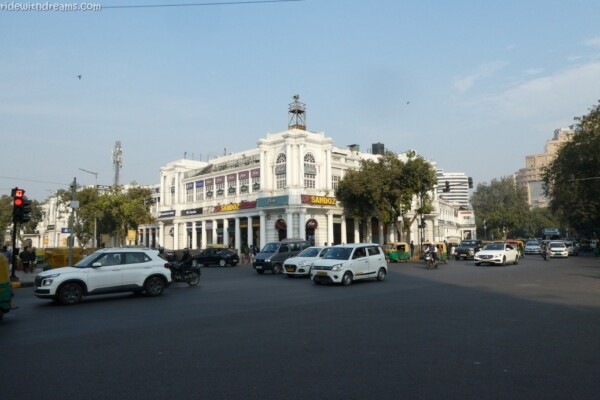
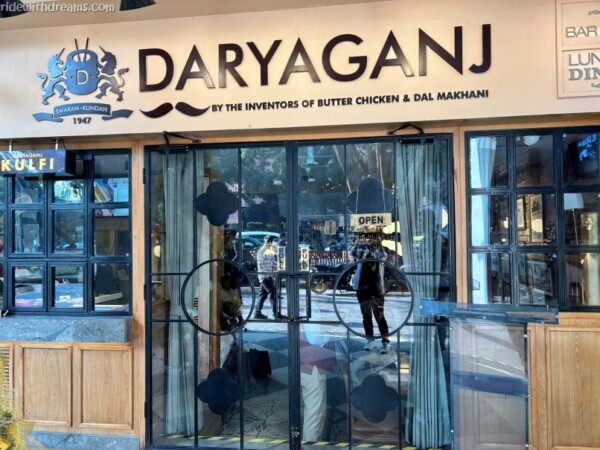
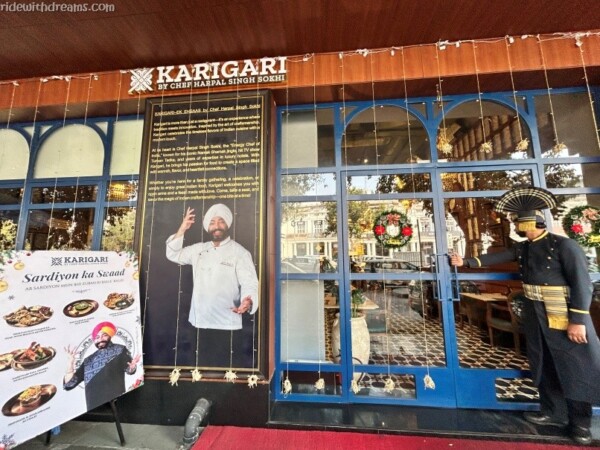
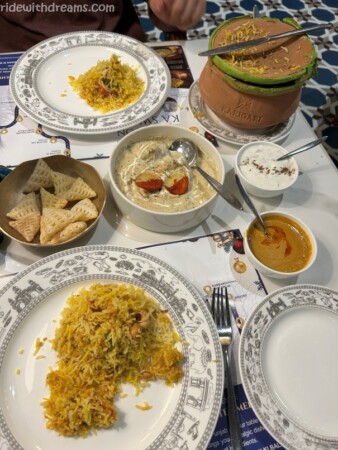
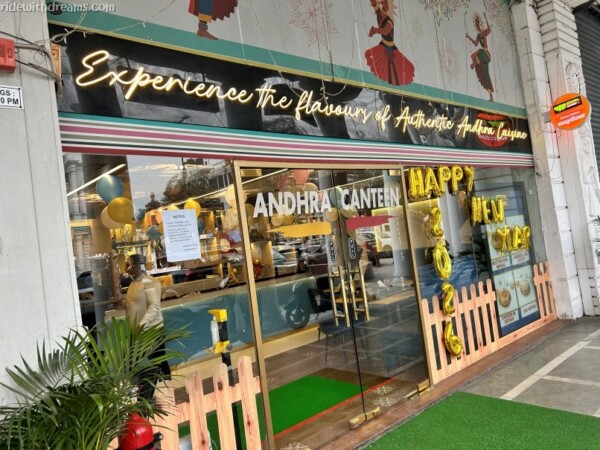
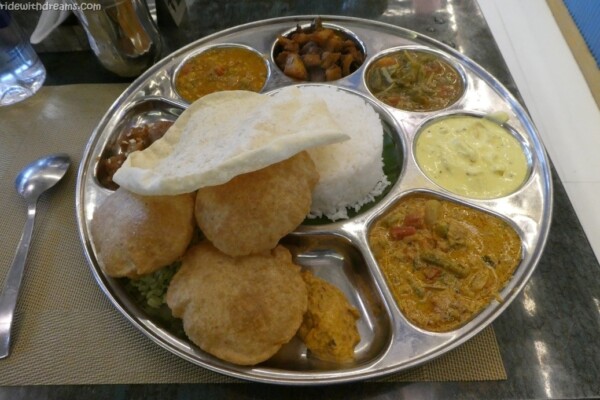
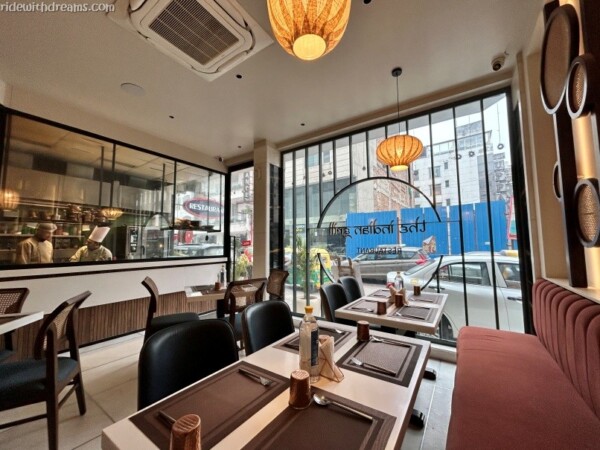
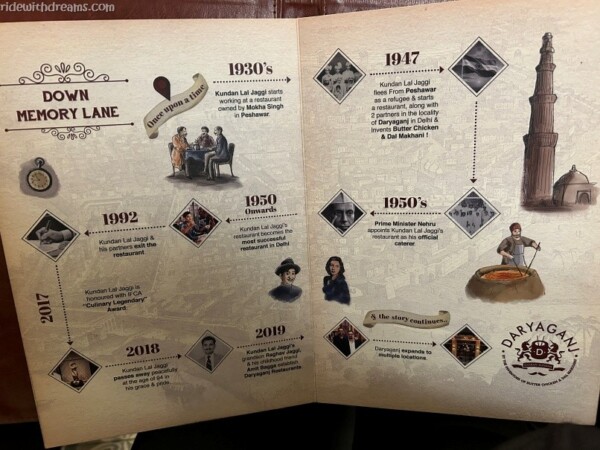
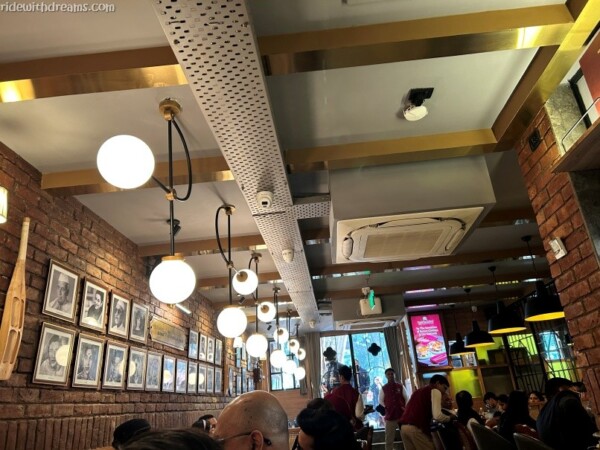
Walking around Connaught Place was not easy. Crossing roads with nonstop traffic felt like an adventure in itself. Still, we discovered some truly high-quality restaurants there—our meals sometimes cost more than our hotel stays!
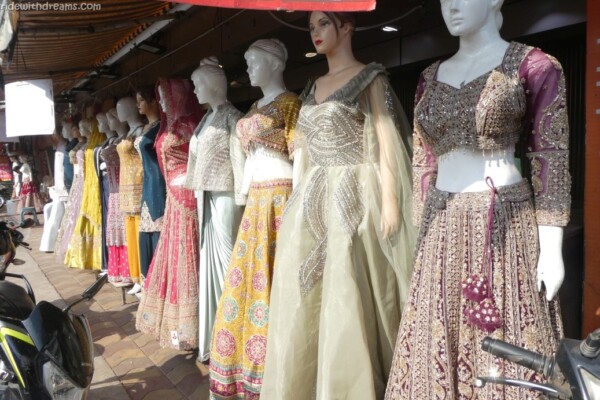
Shankar Market was full of clothing shops, and I ended up buying several beautiful sets of dresses, pants, scarves, and even a 1-liter thermos made in India. Many products were surprisingly high quality and reasonably priced.


A Lesson in Indian Train Travel
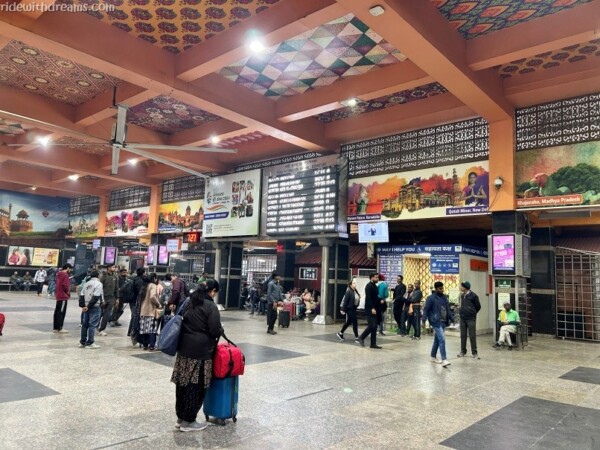
Since we had never taken an Indian train before, and had already booked our tickets online, we decided to visit NDLS railway station the day before our departure to Jaipur. The station was extremely crowded and chaotic. Because it was just before the New Year, it was packed with people traveling to visit family or return to their hometowns.
New Delhi Railway Station has 16 platforms and two main entrances: the Paharganj side (Platform 1) and the Ajmeri Gate side (Platform 16). Although there are many apps and websites that show live train status and platform information, we didn’t know about them at the time.
We believed our early morning train to Jaipur was on schedule. However, when we arrived at the station, we couldn’t find our train number on the electronic boards. We were then informed that the train had been canceled due to heavy winter fog in northern India.
Things got worse. We were sent to a tourism office near Old Delhi, outside the city center, and paid an overpriced auto fare to get there. At the office, we were told that all trains to Jaipur that day were either full or canceled. The only option left was to hire a private taxi.
The drive took about four hours and cost far more than we had expected. Still, with only 10 days in India and our next hotel already booked, we had no choice but to accept it.
Delhi Airport Express & a Quick Shopping Stop
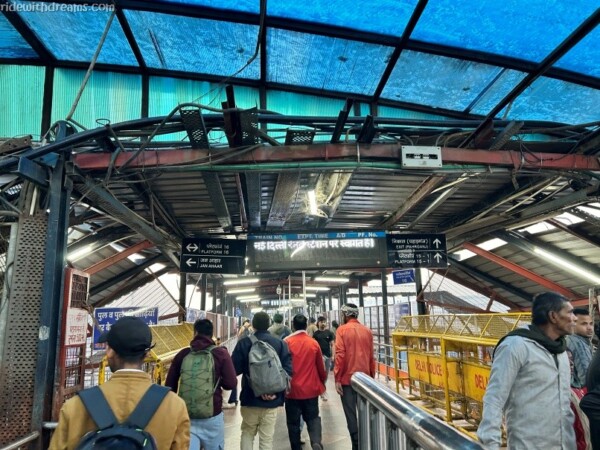
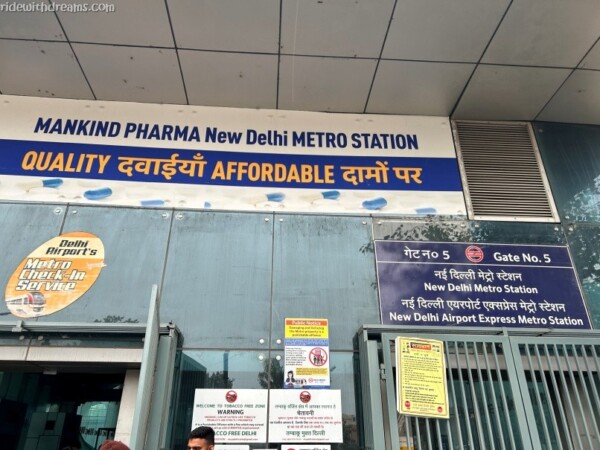
On our way back from New Delhi city to the airport, we decided to try the Airport Express Metro—and it turned out to be a great decision. The Airport Express station is located just across the rail tracks from New Delhi Railway Station (NDLS). After crossing a long pedestrian bridge over the tracks and walking straight ahead, we found Gate No. 5 clearly marked for the Airport Express.
The station itself was spacious, modern, and surprisingly uncrowded. There were several ticket machines lined up, but since we didn’t have local bank cards, we had to go underground to the ticket counters that accept cash. The queues there were noticeably longer, but still manageable.
The Airport Express was incredibly affordable and convenient—much cheaper and faster than taking an Uber. Trains arrived frequently, and the carriage was almost empty. It was quiet, clean, and new, with dedicated luggage racks next to the doors. I was genuinely surprised by how few people were using such an efficient service.
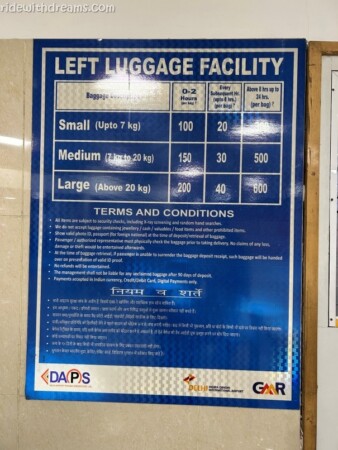
Best of all, we didn’t have to worry about traffic jams, tipping, or delays. In just half an hour, we arrived at the airport station. From there, we easily found the “Left Luggage” counter, which was also very reasonably priced and hassle-free. Nearby, there were water vending machines, clean and free restrooms, and a spacious seating area. The station is internally connected to the airport, making the whole process seamless.
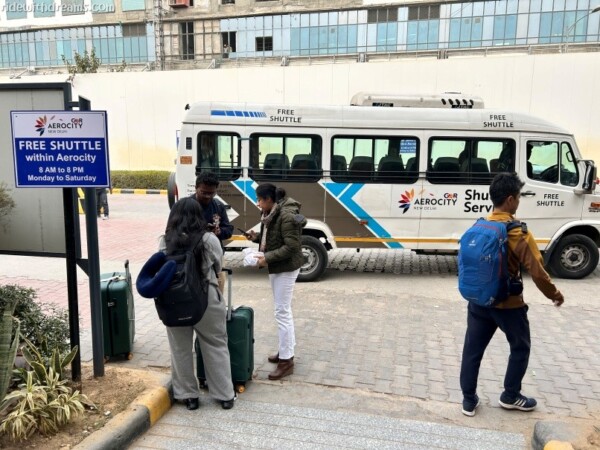
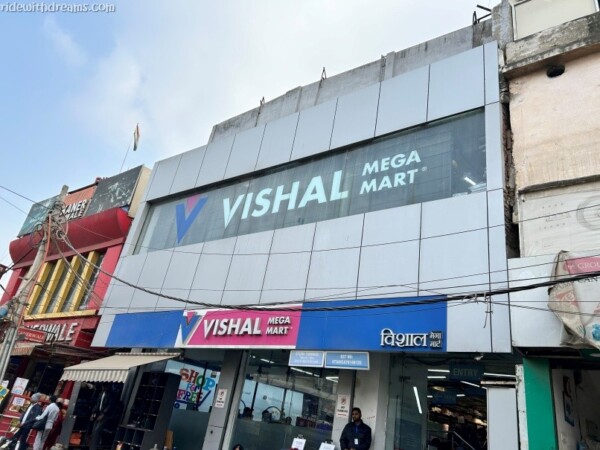
After storing our luggage, we hopped back on the metro for one stop to Delhi Aerocity. Outside the station, there was a free shuttle bus serving Aerocity from 8 a.m. to 8 p.m., Monday to Saturday. However, our destination—Vishal Mega Mart—was just across the street from the Aerocity station, so we walked.
After visiting similar mega marts in Agra, I completely fell in love with them. These stores usually span multiple floors and combine clothing, daily necessities, and food under one roof. Prices are local and affordable, yet the quality is reliable. The clothing isn’t overly flashy—perfect for everyday wear—while still reflecting Indian style. I was especially obsessed with some Indian brands like the Cello Dazzle collection, which offers beautiful designs at surprisingly low prices. Unfortunately, we couldn’t carry a box of opalware back with us—it was just too fragile.
The supermarket section was well-organized and well-stocked, making it ideal for souvenir shopping. One thing to note: at the entrance, visitors are often required to check in large bags, and carrier bags usually cost extra. Bringing your own eco-friendly shopping bags is a smart idea.



Conclusion: What New Delhi Taught Me
New Delhi was overwhelming, confusing, and exhausting—but it was also warm, flavorful, and full of surprises. From navigating chaotic traffic and struggling with hotel showers to sharing smiles with kind locals and enjoying unforgettable food, every moment felt intense and real.
This city doesn’t try to make things easy for you. Instead, it teaches you patience, adaptability, and trust. Once I stopped fighting the chaos and started observing it, New Delhi slowly revealed its charm. Behind the noise, crowds, and confusion were people who were genuinely helpful, curious, and kind.
Would I say New Delhi is an easy destination for first-time travelers? Not at all. But would I recommend it? Absolutely. If you arrive with an open mind, flexible expectations, and a sense of adventure, New Delhi will reward you with stories you’ll never forget.
Sometimes, the most challenging journeys turn out to be the most memorable ones—and New Delhi was exactly that.