
Dec. 2025
Where We Stayed:
Hotel Bissau Palace
Where We Visited:
- Gaitor Ki Chhatriyan
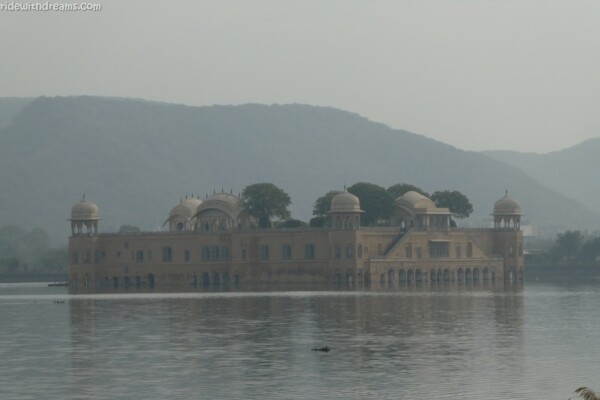
- Jal Mahal
- Baradari
- Amber Palace & Fort
- Jaigarh Fort
- Sinh Pol (Lion Gate)
- Jaleb Chowk
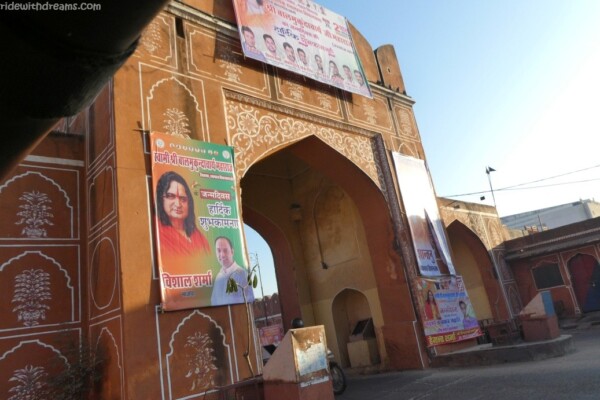
- Sanganeri Gate
- Ajmeri Gate
- City Palace
- Chandra Mahal
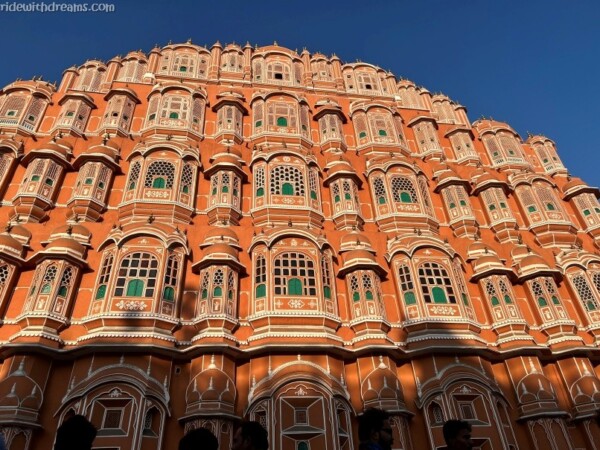
- Hawa Mahal
Arrival in Jaipur
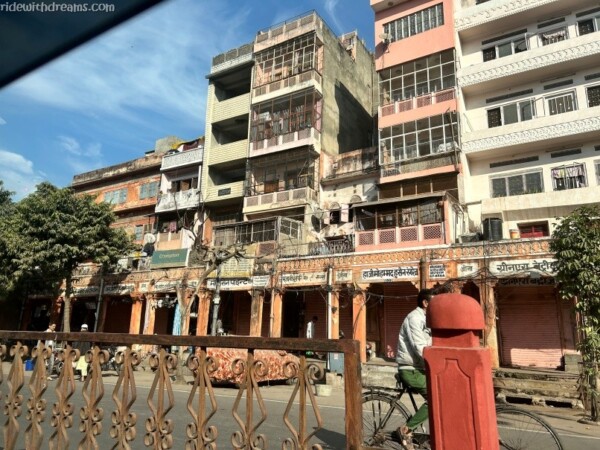
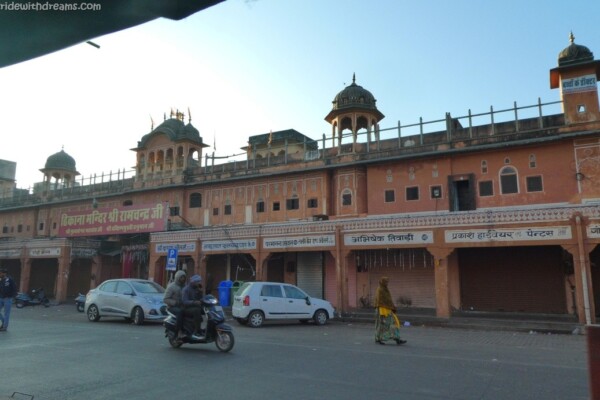
After a smooth four-hour highway drive—and bleeding our wallets dry—we finally arrived in Jaipur around noon. Known as the “Pink City,” Jaipur immediately lived up to its name. The buildings lining the main streets all share the same warm amber color, giving the city a distinctive and unified look.
Sacred Cows and Street Life
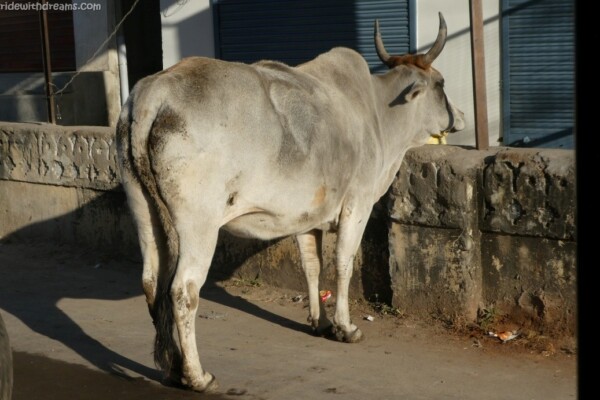
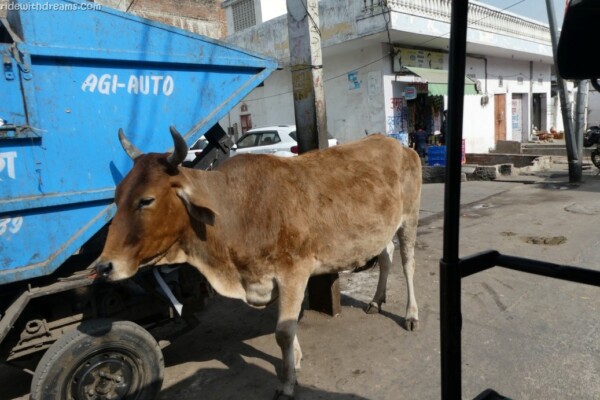
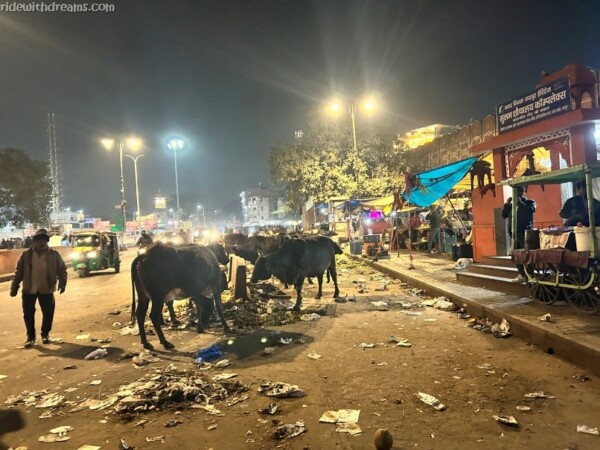
One of the first things we noticed was the number of cows on the streets, even more than in New Delhi. No matter how chaotic the traffic became, the cows stood calmly or walked slowly, completely unbothered. Cars, autos, and pedestrians always avoided them—sometimes by mere inches. During all my time in India, I never saw a cow hit by a vehicle. Instead, traffic often came to a halt to let them pass. Many shops and homes left out vegetables, food, or water for them. Though some looked old or thin, they all appeared peaceful and healthy. It helped me truly understand why cows are considered sacred in India.
Where We Stayed: Bissau Palace
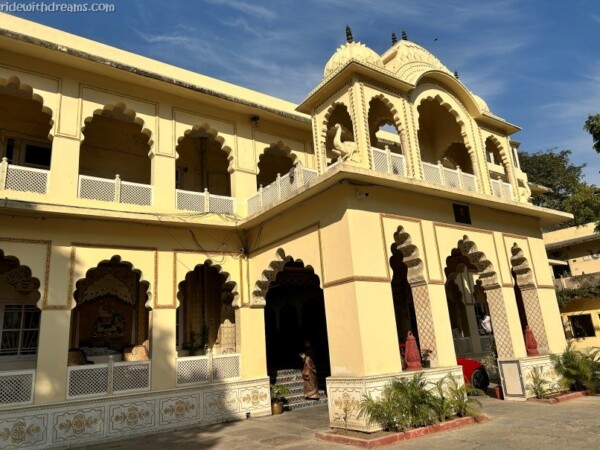
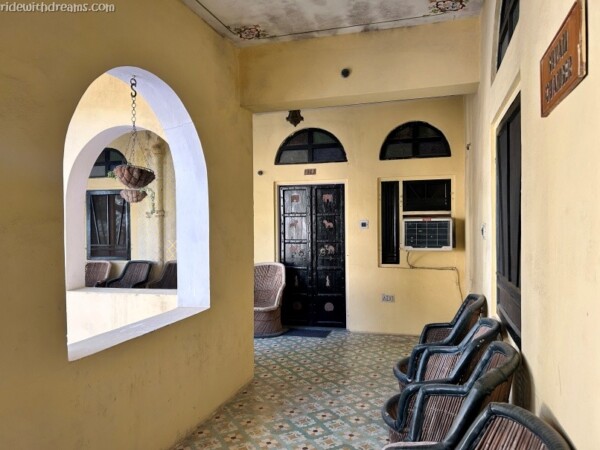
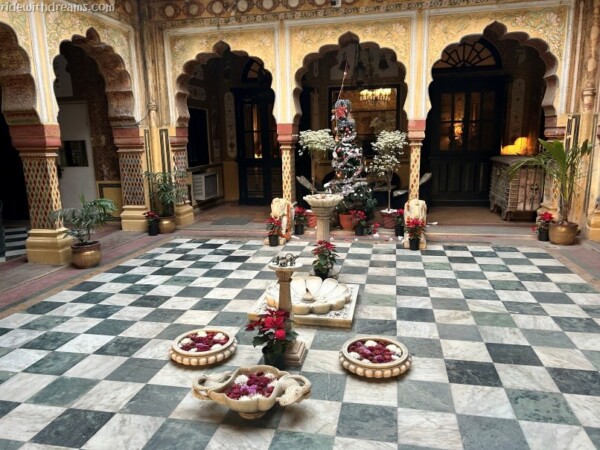
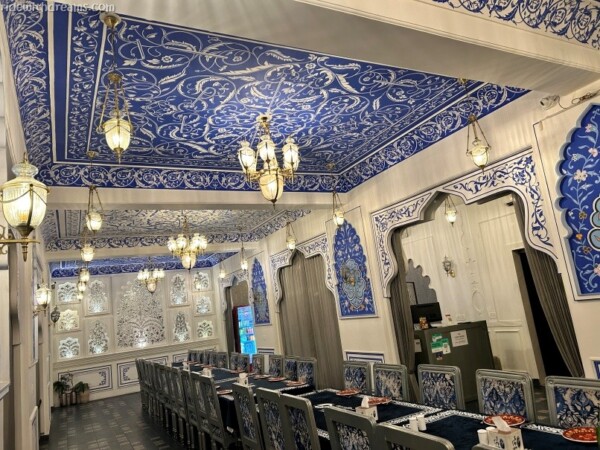
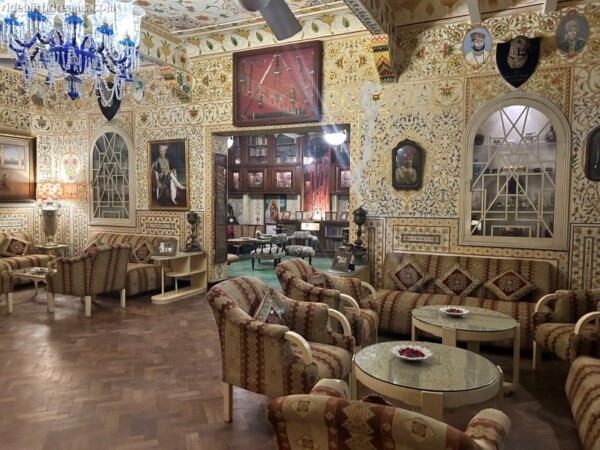
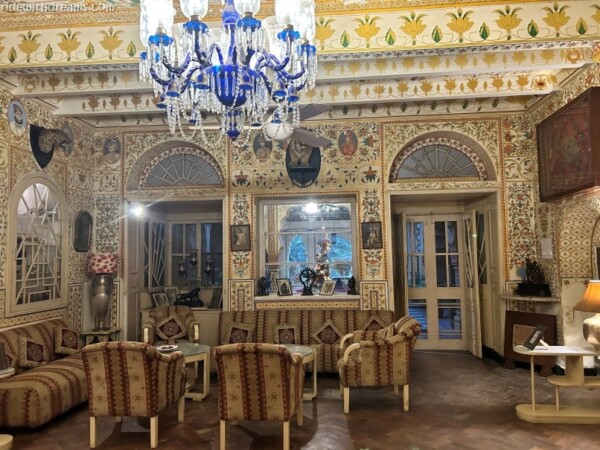
Our hotel, Bissau Palace, was located in the middle of busy streets filled with shops, restaurants, people, traffic, and cows day and night. Yet behind its gates was a completely different world. The palace had a large front yard, a beautiful garden, and even a swimming pool. Once inside, everything became calm and quiet.
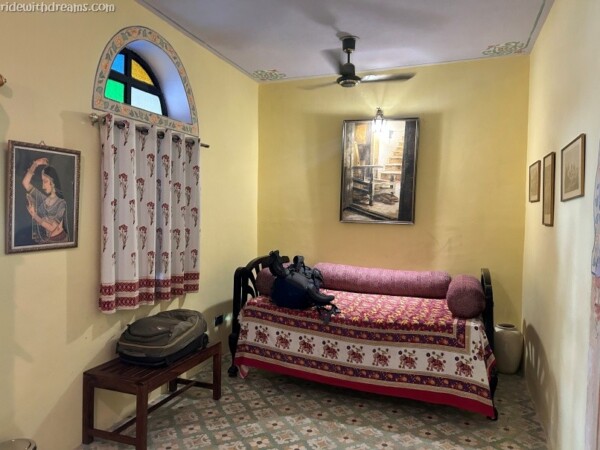
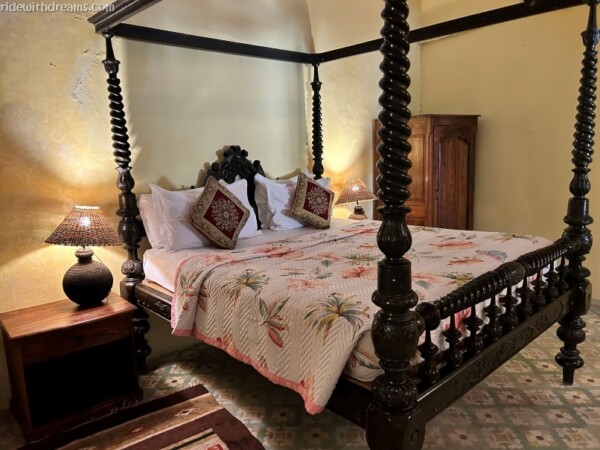
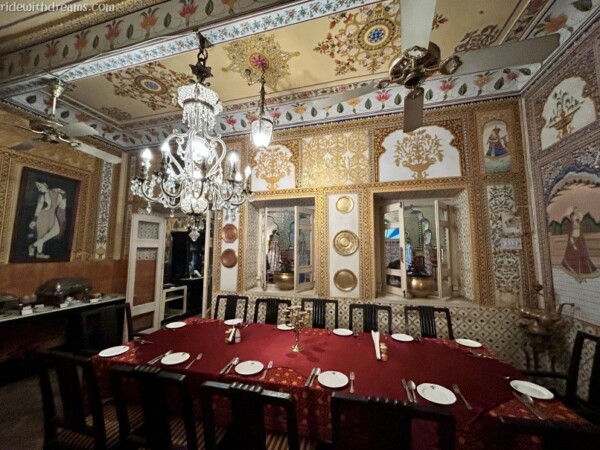
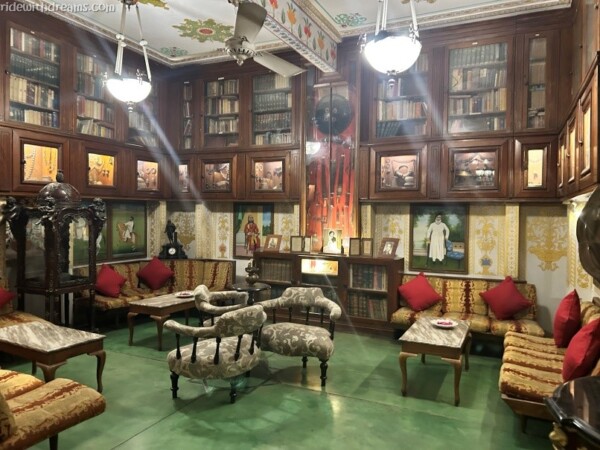
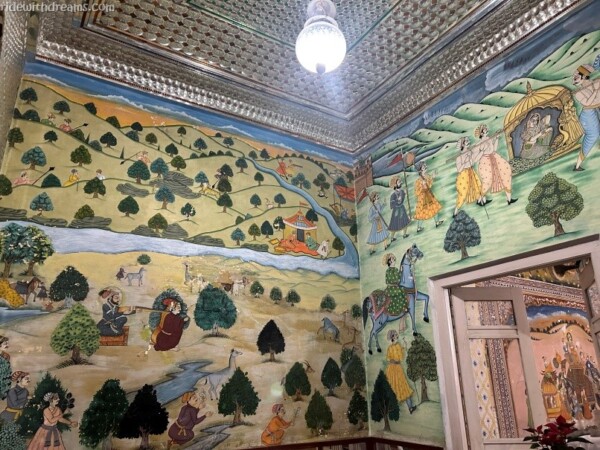
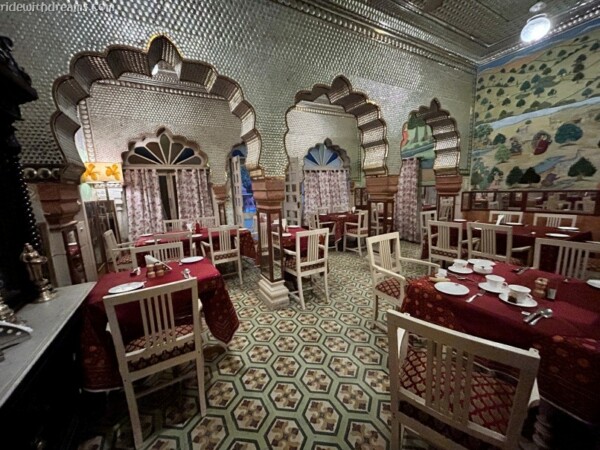
The hotel felt like a museum, decorated with British-style antique furniture, old photographs, and Indian paintings throughout the dining room. It was elegant, historic, and quickly became my favorite place in Jaipur.
Meeting Our Local Guide
At the hotel gate, we met a local guide and auto driver who spoke fluent Japanese. He had worked in Japan for several years and was even listed in a popular Japanese guidebook. His price was reasonable, so we hired him for a half-day private tour.
Because it was already afternoon and the road to Amber Fort was extremely crowded, he suggested visiting less touristy places first.
Gaitor Ki Chhatriyan: A Hidden Gem
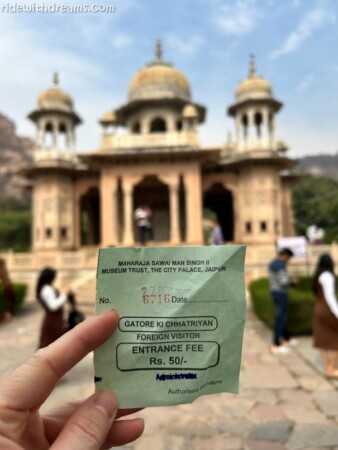
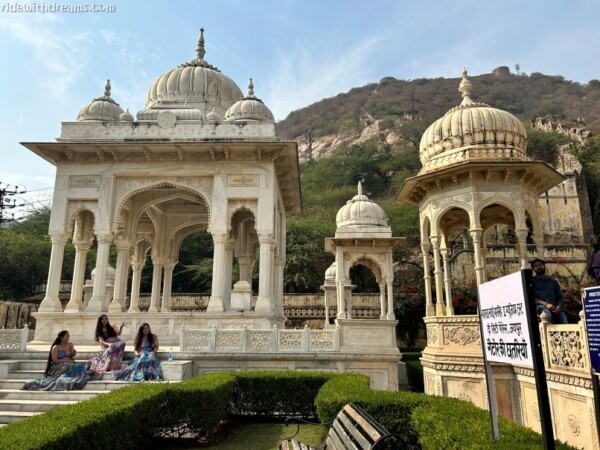
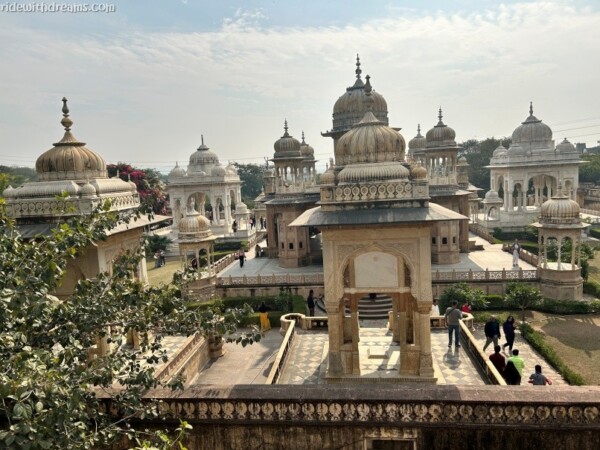
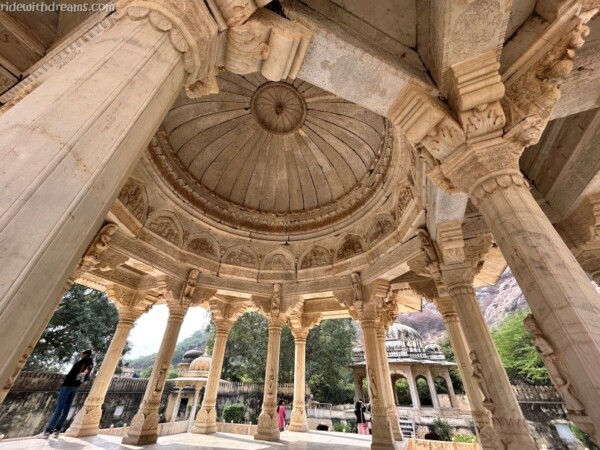
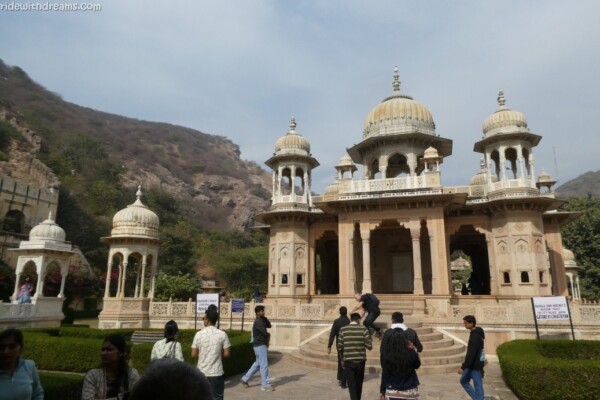
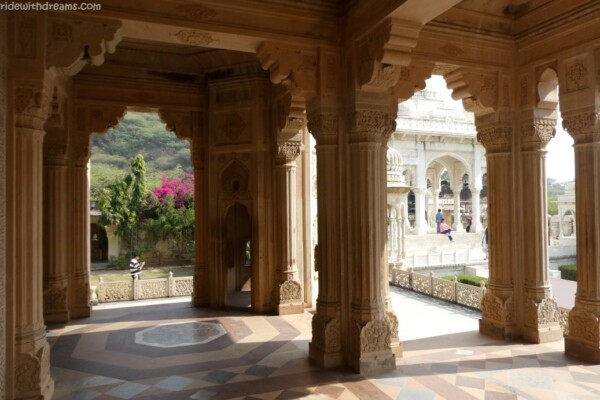
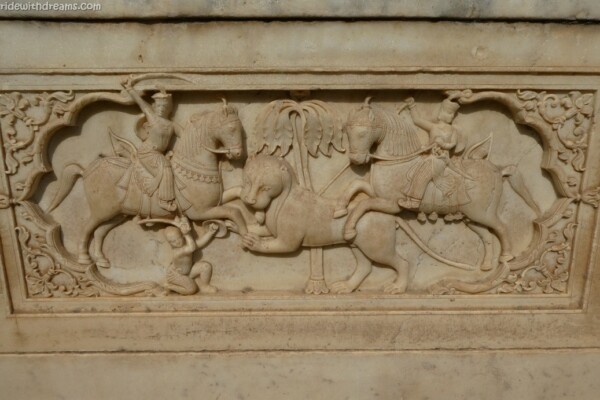
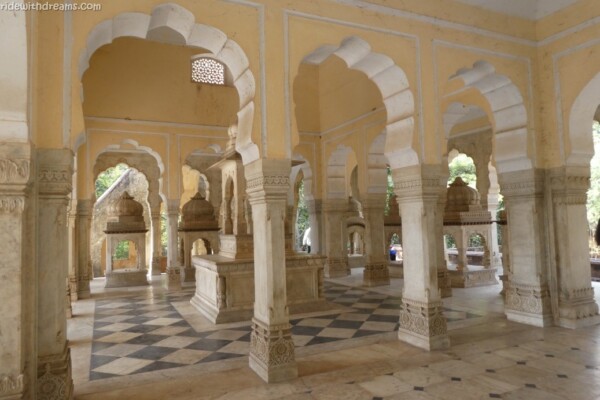
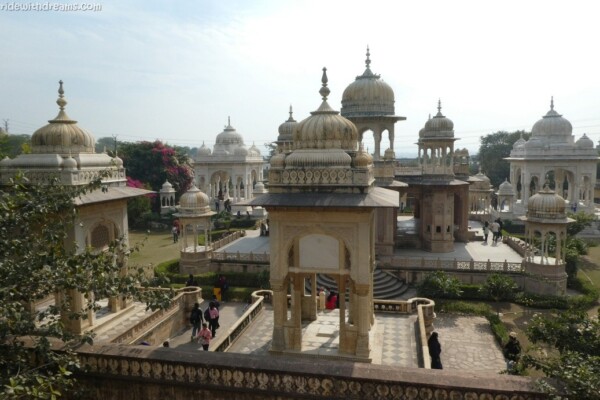
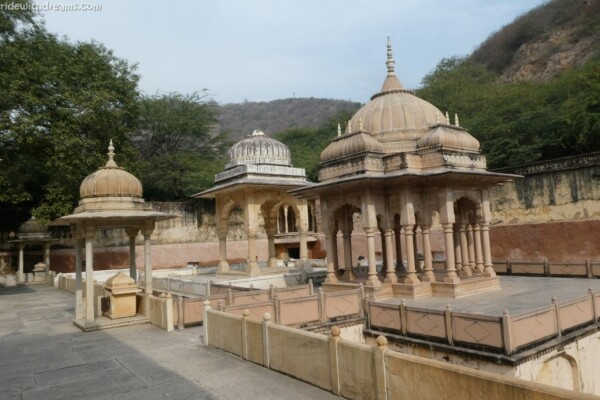
One of those places was Gaitor Ki Chhatriyan, a stunning and peaceful royal cremation ground. It was not well known among foreign tourists, and we mostly saw locals there. Built mainly of white marble and surrounded by mountains, the site featured beautifully detailed carvings and serene scenery. It was so picturesque that we even saw locals taking wedding photos there.
Gaitor Ki Chhatriyan is a historic complex of royal cenotaphs near Jaipur, serving as the cremation site of the Kachhwaha Rajput rulers. Its intricately carved chhatris, pillars, and domes reflect the rich architectural heritage of Rajasthan.
Amber Fort: Grandeur and Power
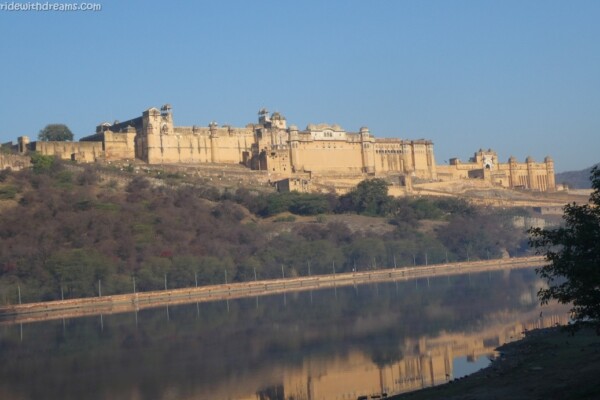
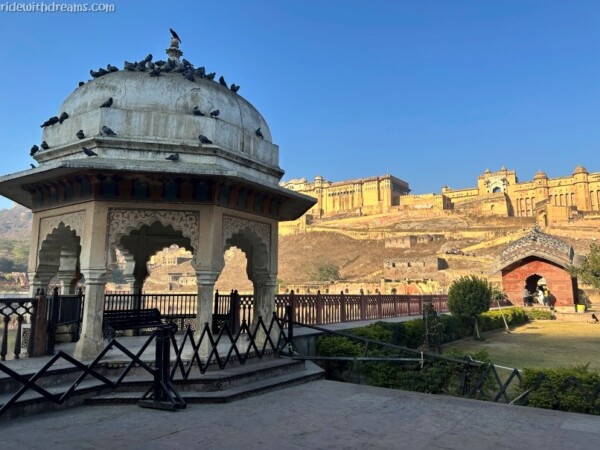
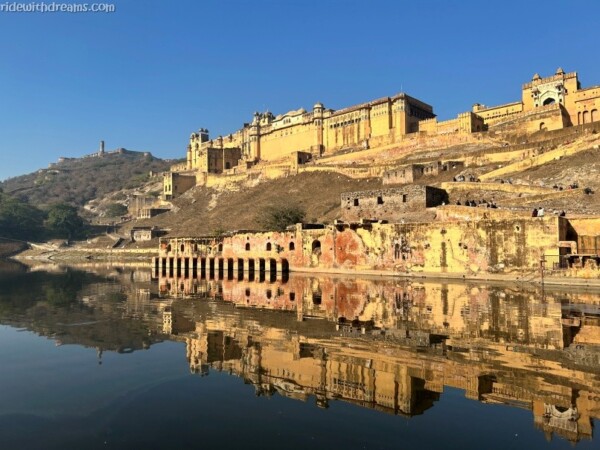
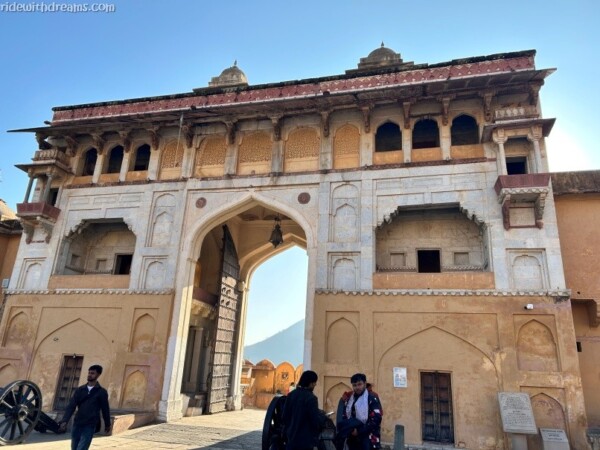
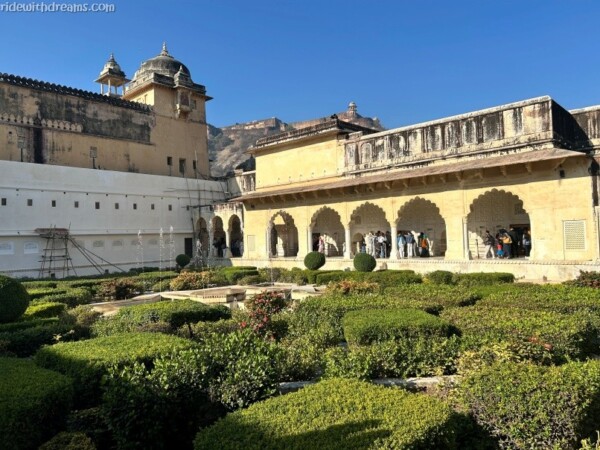
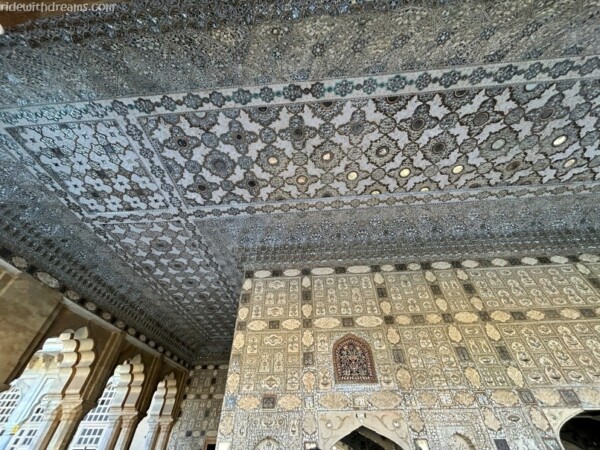
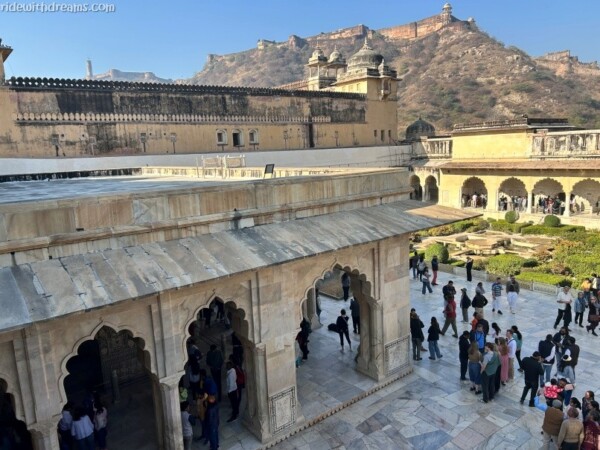
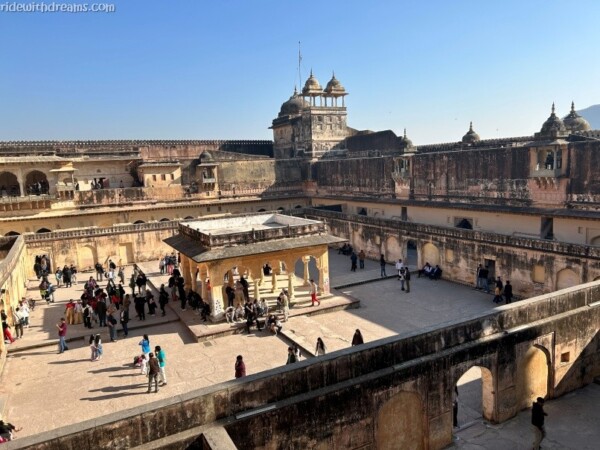
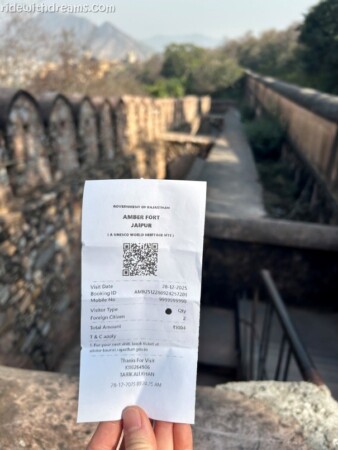
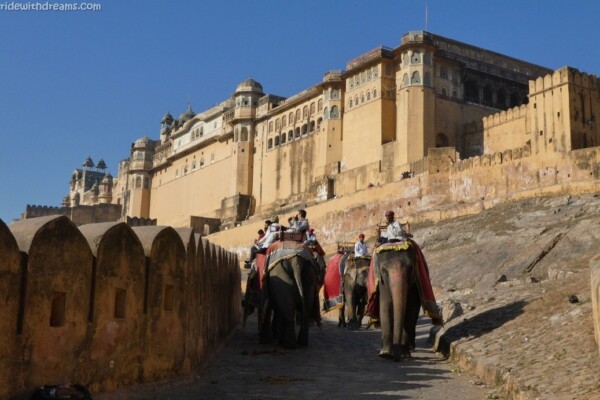
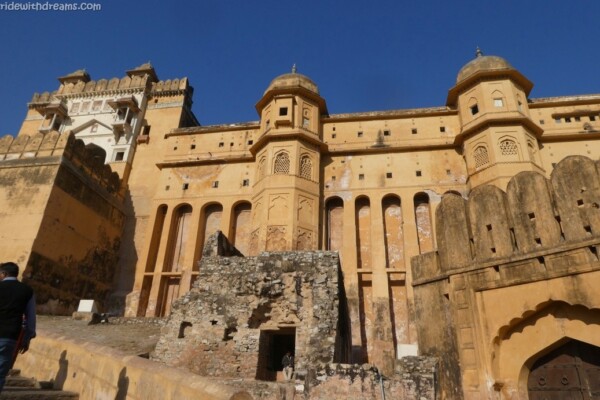
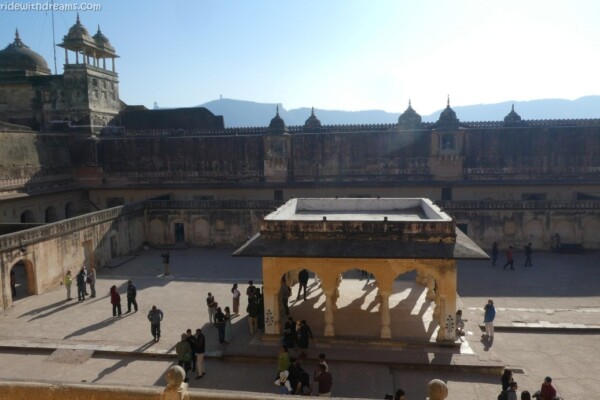
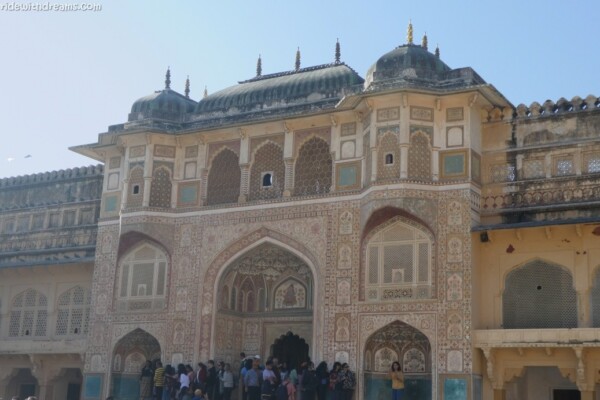
The next morning, we left early to visit Amber Fort before the crowds arrived. The climb to the entrance involved a long hike and countless stairs, with vendors selling handicrafts along the way. Inside, the fort felt like a maze of rooms, staircases, and inner gardens. Through countless windows, we could see mountain views or courtyards, though finding the way out was not always easy.
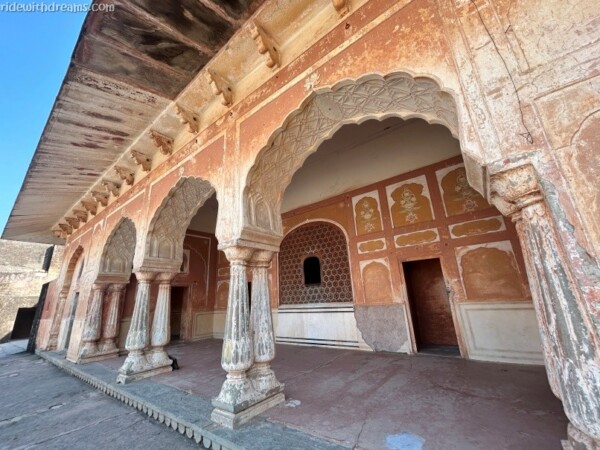
Everywhere we looked, the windows, doors, and walls were decorated with beautiful carvings and patterns. Walking through the fort, I was struck by how powerful and wealthy the Jaipur kingdom once was. Even after adapting to modern times and working with the British, the royal family’s influence continues today.
Jaigarh Fort: Defense and Strategy
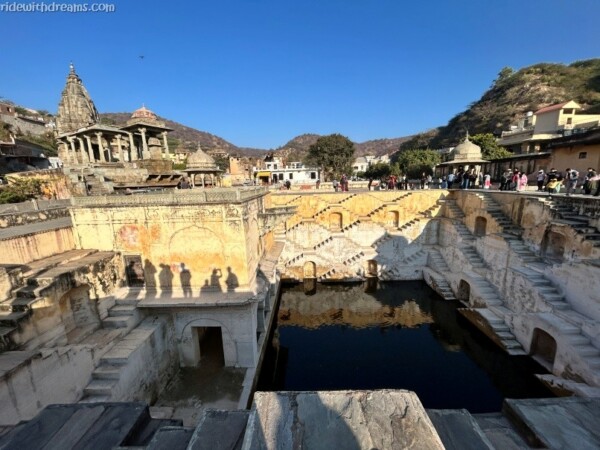
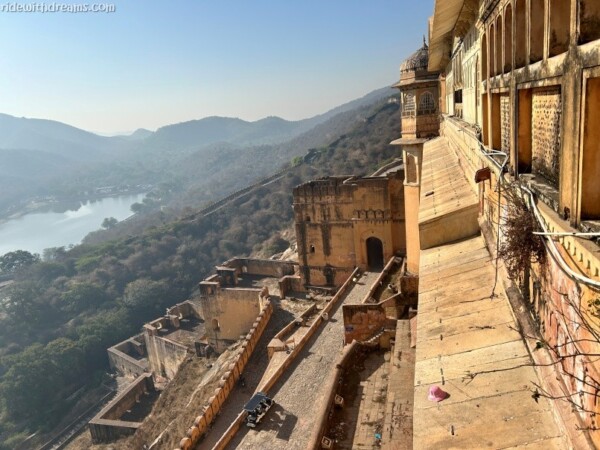
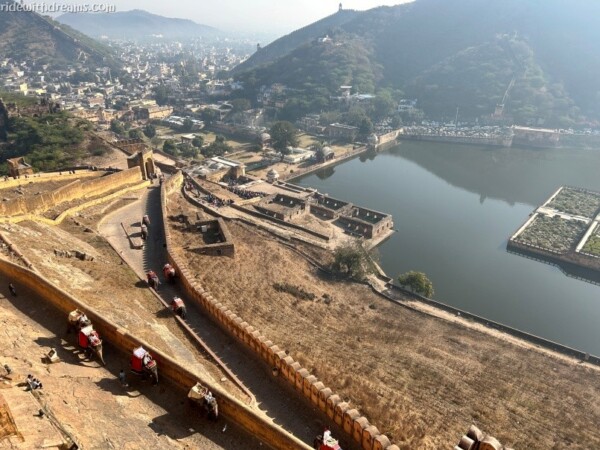
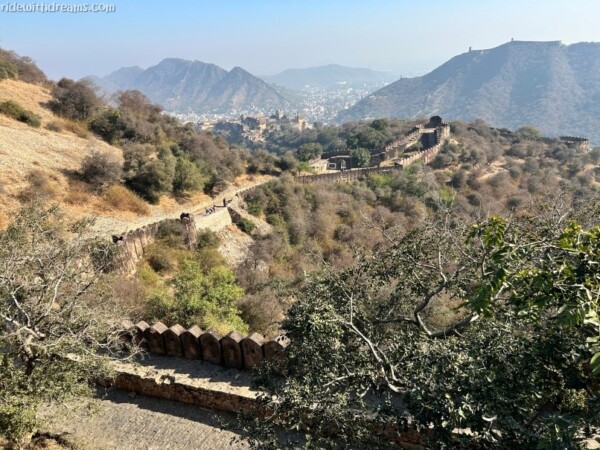
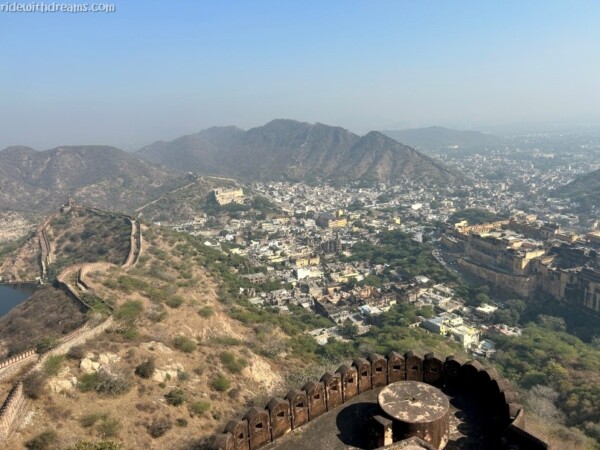
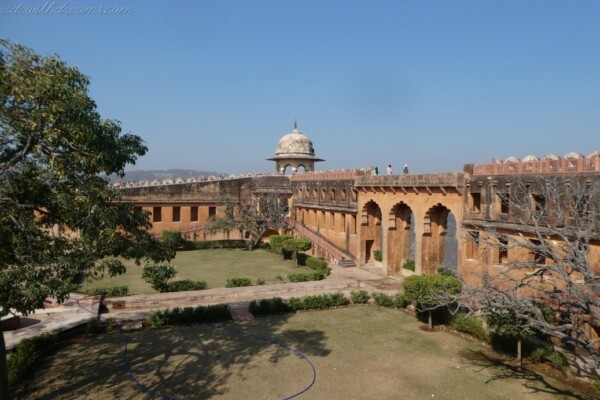
Reaching Jaigarh Fort required finding a long passage behind Amber Fort and then traveling up a steep road. Compared to Amber Fort, Jaigarh had a simpler, more functional design. However, it offered breathtaking panoramic views of the surrounding mountains and defensive walls stretching endlessly across the hills.
Built in the 18th century by Sawai Jai Singh II, Jaigarh Fort was designed primarily for military defense. It is famous for housing theJaivana Cannon, once the largest cannon on wheels. The fort sits on Cheel ka Teela (Hill of Eagles) and is connected to Amber Fort by underground passages used during times of war.
City Palace and Hawa Mahal
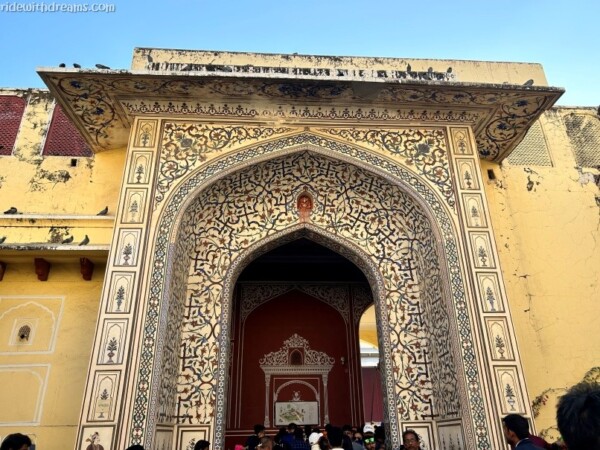
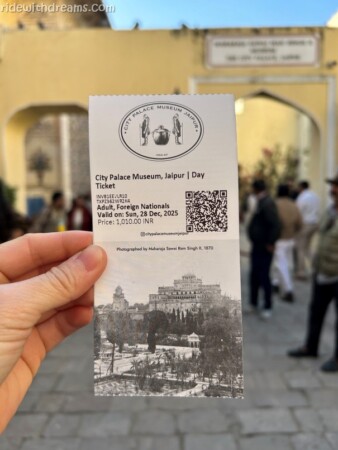
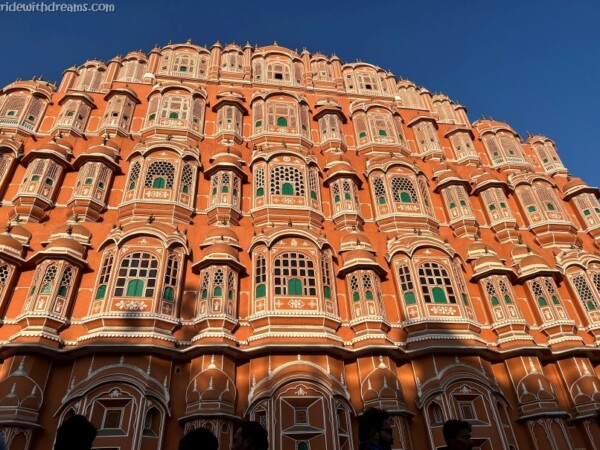
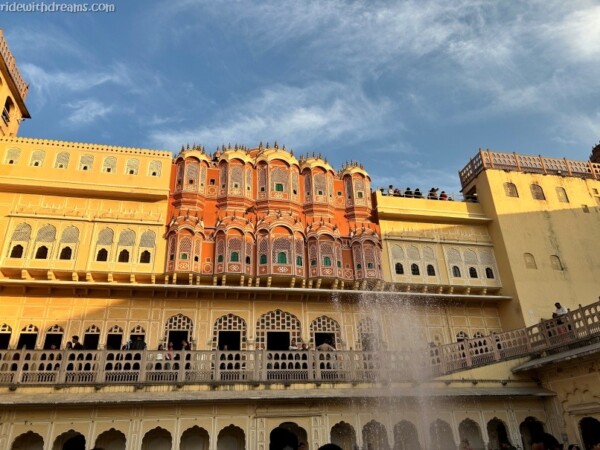
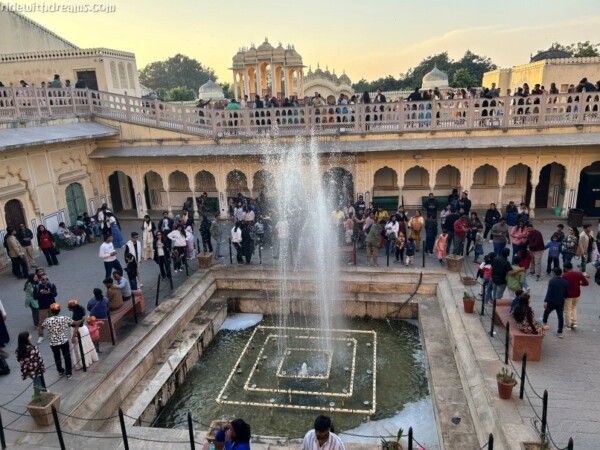
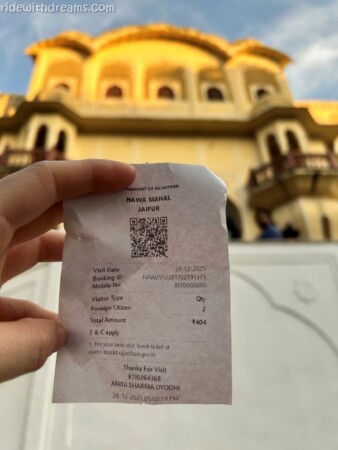
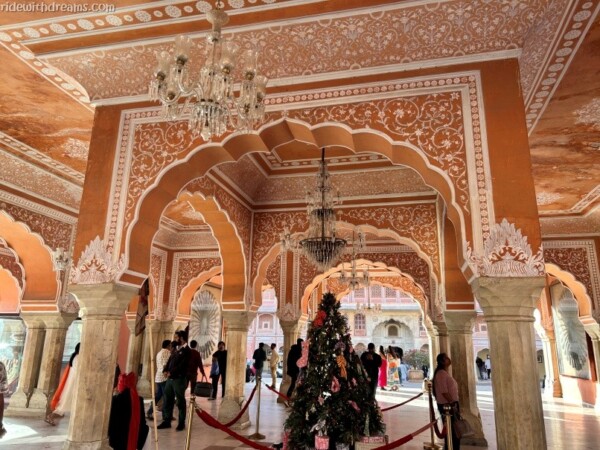
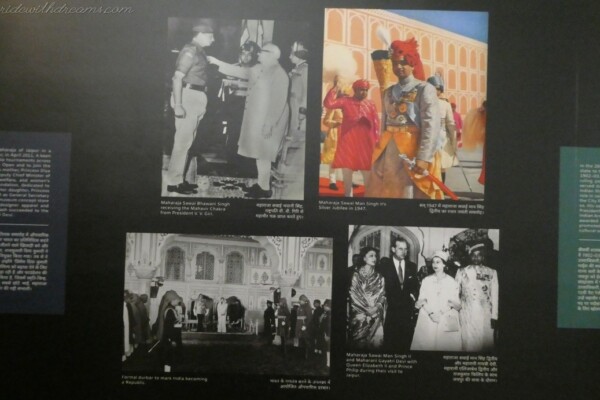
In the afternoon, we explored the City Palace area, surrounded by impressive historical architecture. The most iconic landmark was Hawa Mahal. Although we paid to enter, the interior—mainly a garden with a waterfall surrounded by buildings—was less impressive than its famous exterior.
The streets around City Palace were filled with clothing and souvenir shops for tourists, but we did not have much time to explore, as our auto driver was waiting.
Evening at the Palace
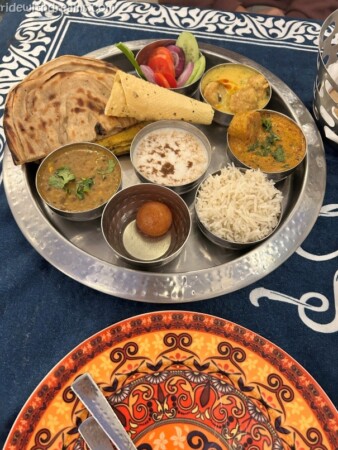
After a long day of sightseeing, we chose to have dinner at the hotel restaurant. The quiet atmosphere made it especially relaxing, with only two other guests dining there. The biryani and coconut curry were surprisingly rich in flavor and easily comparable to dishes from high-end restaurants.
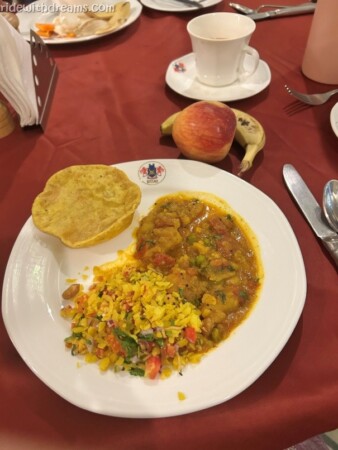
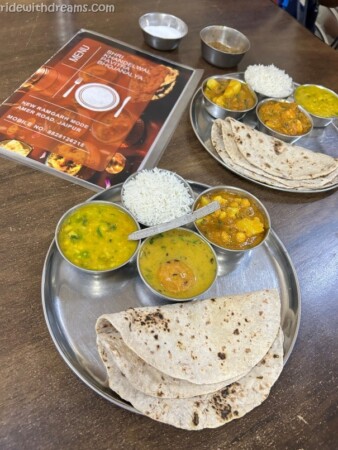
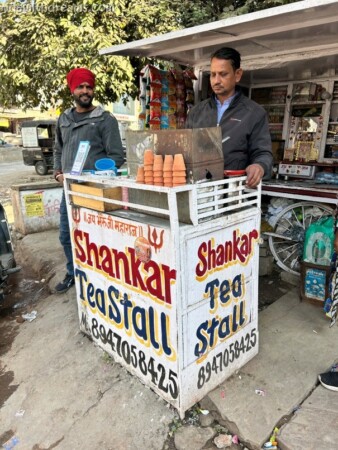
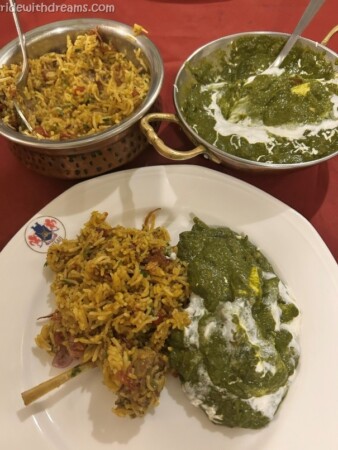
Later that night, we stepped outside to look for chai. The streets were lively, filled with locals, small eateries, clothing shops, and groups of stray cows resting or eating in corners of the streets—a scene that felt uniquely Indian.
Chai and Daily Life
Chai in India is sold everywhere—by street vendors, on trains, and in tiny shops. It is usually served in small paper cups or traditional clay cups and costs around INR 20. Locals often discard or break the clay cups after drinking, but I liked them so much that I brought a few home as souvenirs.
Indian chai, or masala chai, is made by boiling black tea with milk, sugar, and spices such as ginger, cardamom, cinnamon, and cloves. It has a rich, creamy, and spicy flavor and is an essential part of daily life in India. I enjoyed it several times a day, sometimes even without sugar, and it was always comforting.
Conclusion: A City of Contrast and Calm
Jaipur is a city of contrasts—chaotic streets and quiet palaces, powerful forts and gentle cows, busy markets and peaceful gardens. From the hidden beauty of Gaitor Ki Chhatriyan to the grandeur of Amber and Jaigarh Forts, every corner of the city revealed layers of history, culture, and daily life. Staying at Bissau Palace allowed us to experience both the energy of the streets and the calm of royal living. Jaipur left me with a deeper appreciation for India’s traditions, resilience, and timeless beauty.
A Delayed Train and Quiet Reflections on the Way to Agra
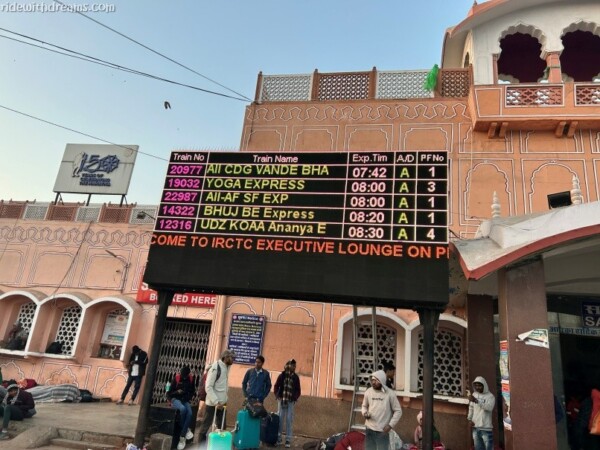
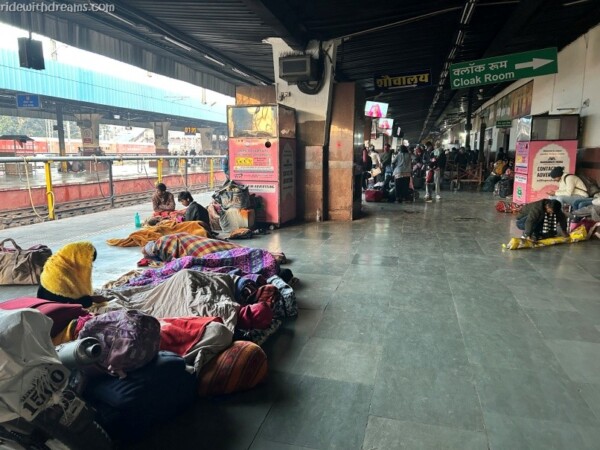
And so, we set off for our next city—Agra. This time, we managed to take the train successfully, though it departed only roughly two hours late. Let’s call that normal. In India, trains are almost never on time; delays of several hours are common, and cancellations aren’t unheard of either. In the north, especially during winter, heavy fog drifting down from the Himalayan region often disrupts schedules.
Jaipur station itself was an experience. The platforms were extraordinarily long, and without knowing which end our carriage would stop at, we walked from one end to the other—nearly missing the train altogether. Thankfully, luck was on our side, and everything worked out in the end.
We even met a young British couple who were looking for the same train—and the same carriage—as we were, and we ended up taking photos together. They had spent two years working in London to save enough money for the trip, then quit their jobs at the same time to backpack around Asia for a year or so. I couldn’t help but admire their youth and courage, and found myself wishing I’d done the same when I was younger.
We were seated in first class, which turned out to be quite comfortable. I genuinely enjoyed the train journey, especially the view. Outside the window, India unfolded in a completely different way: lush green fields, rivers and lakes, quiet villages, locals riding bicycles and chatting on the narrow roads. Far from the crowded and chaotic cities, the countryside felt unexpectedly clean, calm, and peaceful.
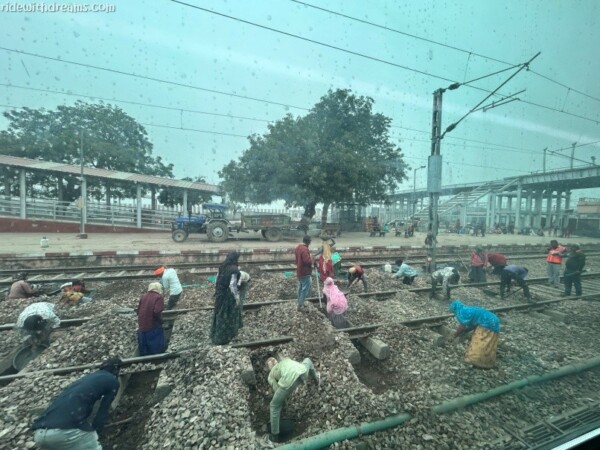
Yet, alongside this beauty, there was also a quiet sadness. Along the railway tracks, I saw both men and women digging and carrying stones by hand. Watching them work under such conditions was a stark reminder of how different their lives are from ours. The journey to Agra wasn’t just a change of destination—it was a moment of reflection.