Nov. 2025
- Utrecht is located roughly in the center of the Netherlands, and serves as the capital of the province of Utrecht.
- It’s one of the larger Dutch cities, and thanks to its central position it’s a major transport hub by rail and road.
- The city combines a historic core with a lively modern population: its many universities and institutions give it a youthful, cosmopolitan atmosphere.
🏛️ History — From Roman Times to Today
- The area around Utrecht has been settled since Roman times: its ancient name was Trajectum ad Rhenum (a Roman ford on the Rhine), later becoming Ultrajectum, then Utrecht.
- In 696, Utrecht became a bishop’s see — the seat of the Christian church in the region — when the missionary Saint Willibrord established his headquarters there, marking the start of Utrecht’s long religious significance in the Netherlands.
- By medieval times, Utrecht had grown into a major city and powerful ecclesiastical principality. It remained one of the most important cities in northern Netherlands through the Middle Ages.
- However, from about the 15th century onward, the rise of nearby cities (notably Amsterdam) shifted the Netherlands’ commercial and political center. Still, Utrecht retained importance as a religious, cultural, and academic center.
- Over the centuries, Utrecht saw many transformations: from medieval bishopric city, through periods of foreign rule, religious changes, to modern rebirth as a hub of education, culture, and innovation.
🌉 Architecture & Urban Character
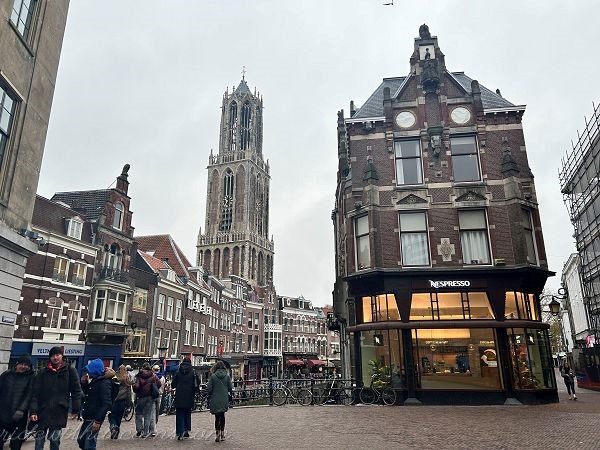
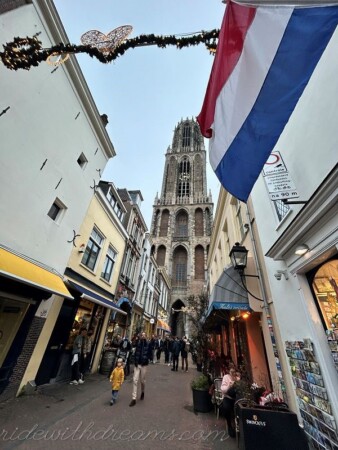
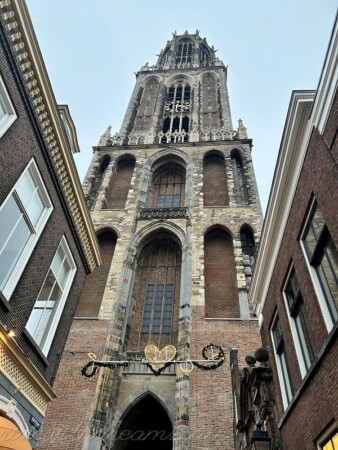
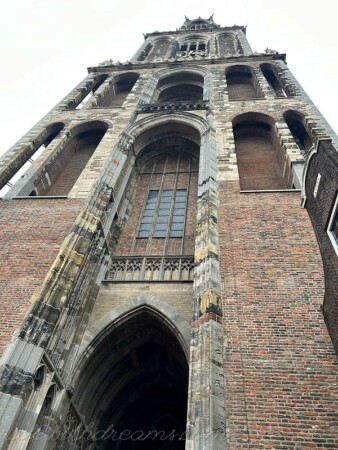
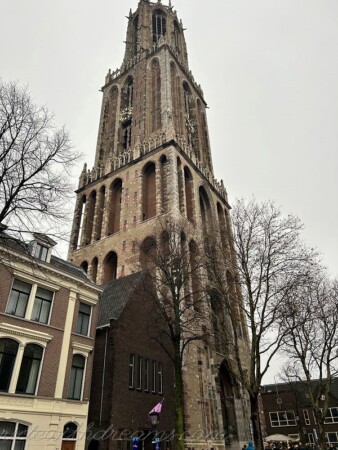
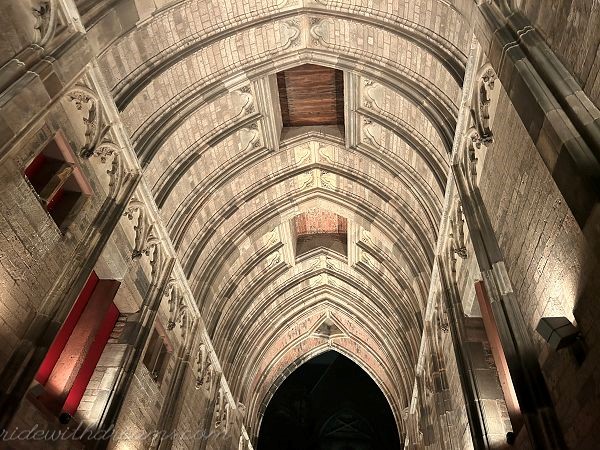
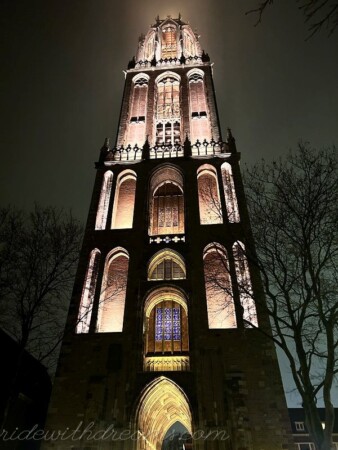
- One of Utrecht’s most iconic landmarks is the Dom Tower — at 112 meters it is the tallest church tower in the Netherlands, offering sweeping views over the city.
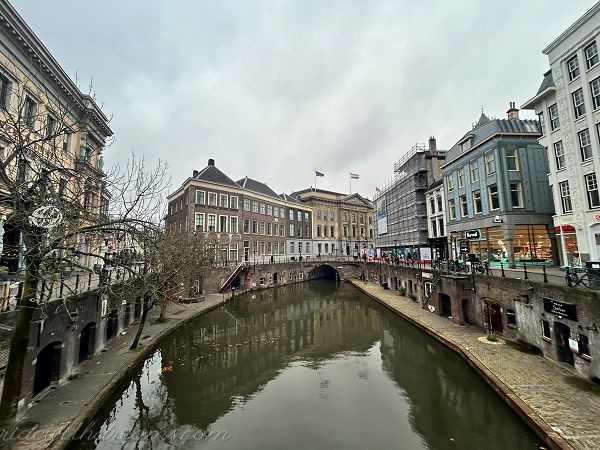
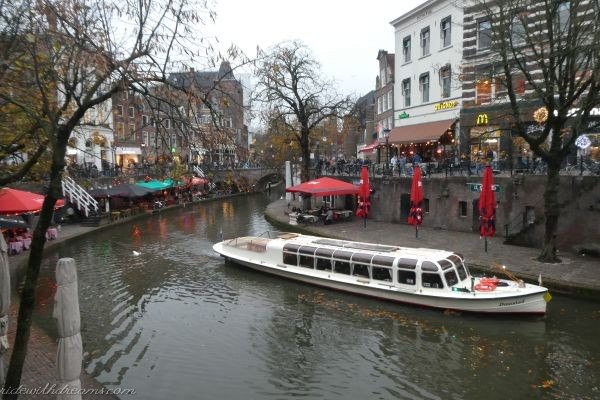
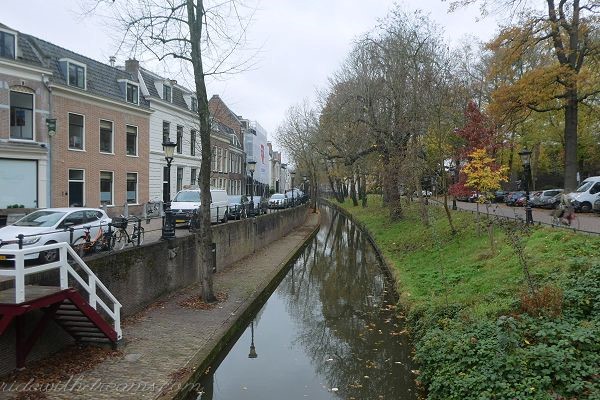
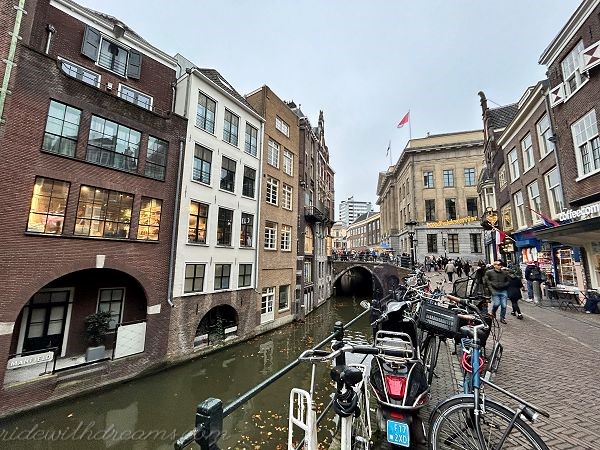
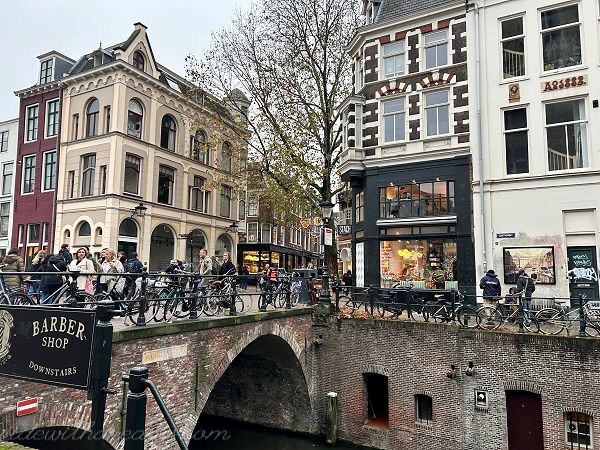
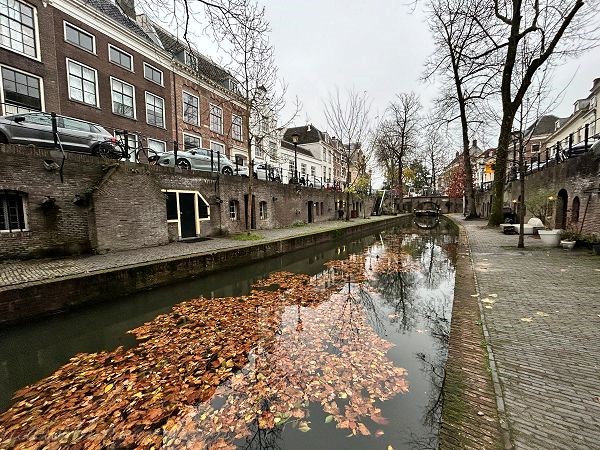
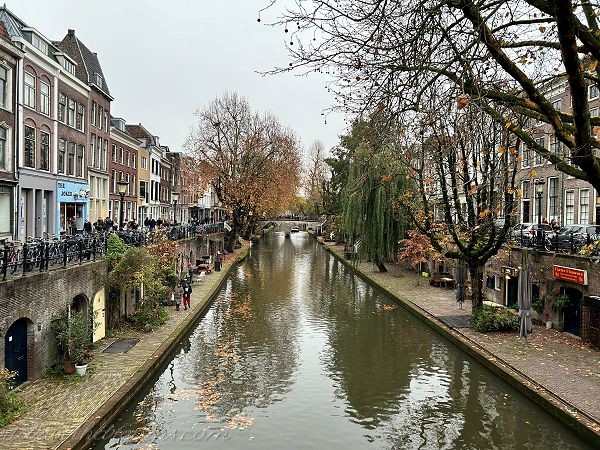
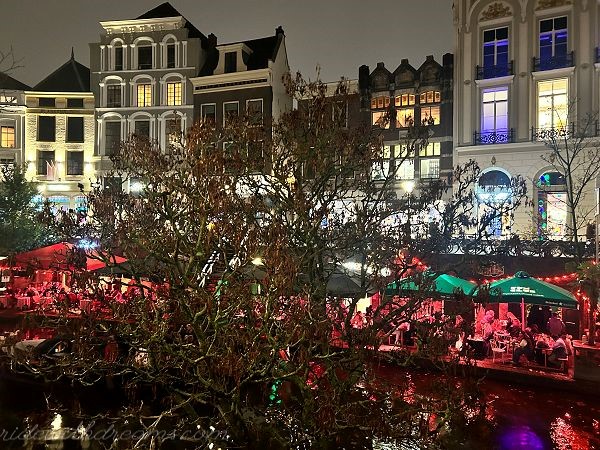
- A defining feature of Utrecht’s cityscape is its network of canals, but unlike many canal-cities, Utrecht’s canals have a distinctive two-level embankment: a street-level path for pedestrians and shops, and — lower, at water-level — old wharf cellars. Many of these cellars have been converted into restaurants, cafés, wine-bars and boutiques.
- The city melds the historic and the modern: for instance, the Rietveld Schröder House — designed in 1924 — is a masterpiece of modern architecture and is listed as a UNESCO World Heritage site.
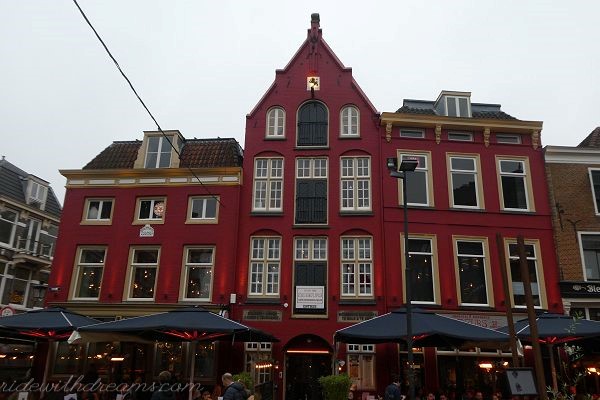
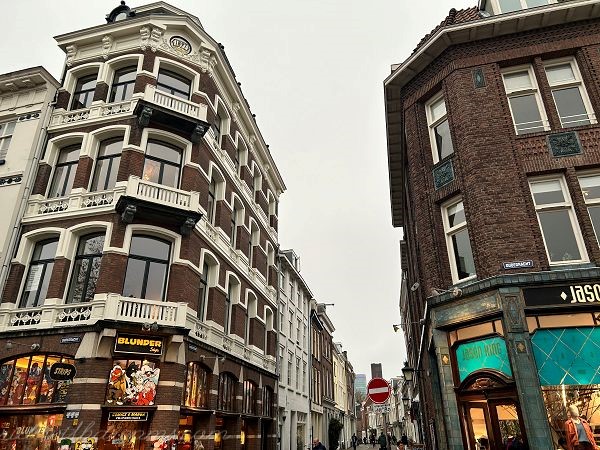
- This blend of old and new — medieval churches and canals, modernist architecture, vibrant urban design — gives Utrecht a distinctive character that balances tradition and innovation.
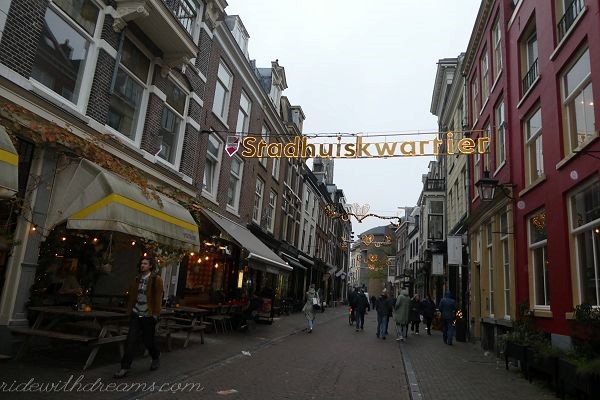
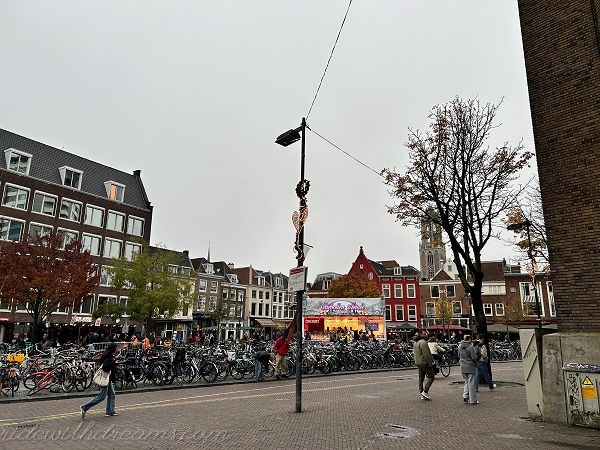
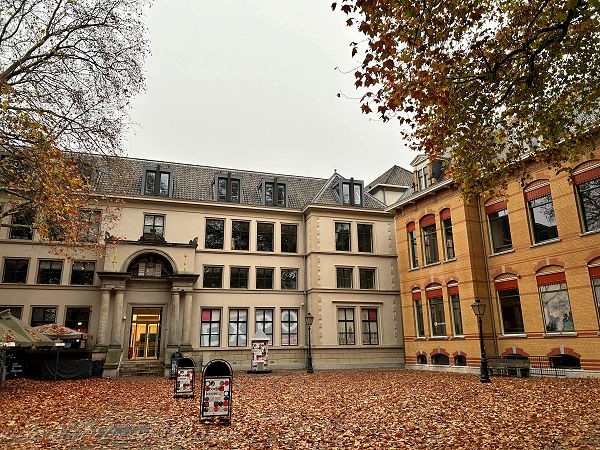
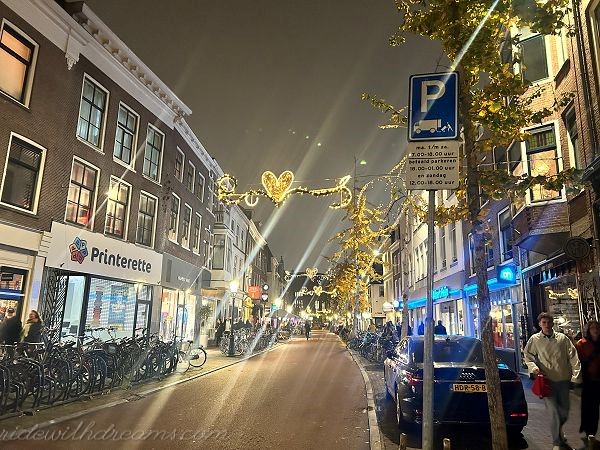
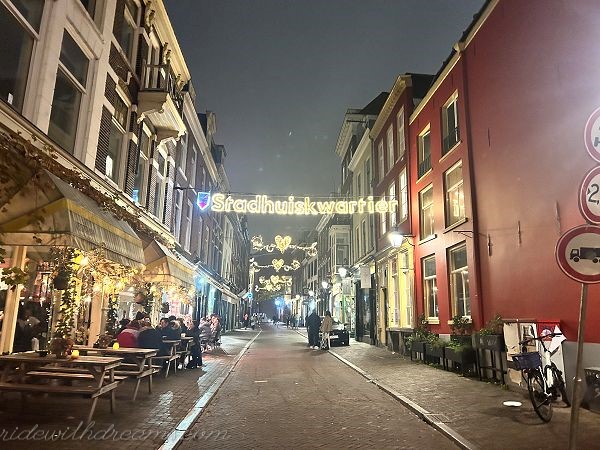
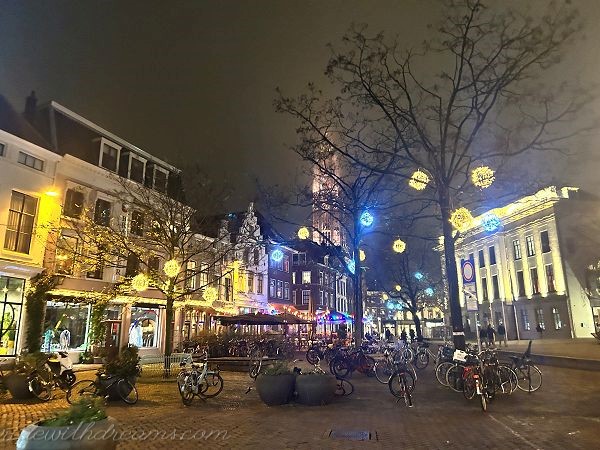
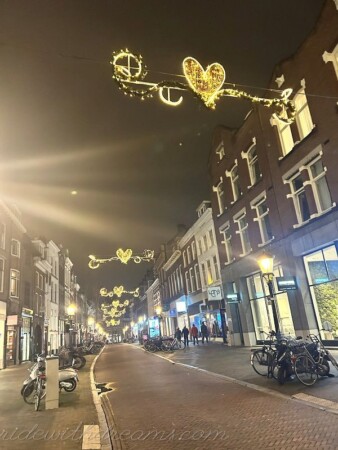
Utrecht was my favorite city on this trip. The historic center is threaded with beautiful canals, and you constantly see boats gliding by, people drinking or enjoying their meals along the water both day and night. The city is full of bicycles—sometimes annoyingly so—but they give the streets an unmistakable energy and liveliness. Although Christmas was still a month away, the streets were already decorated with festive lights and banners, making the whole city feel warm and cheerful.
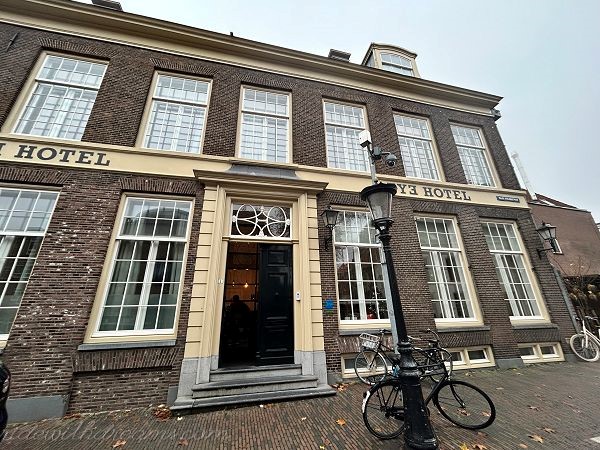
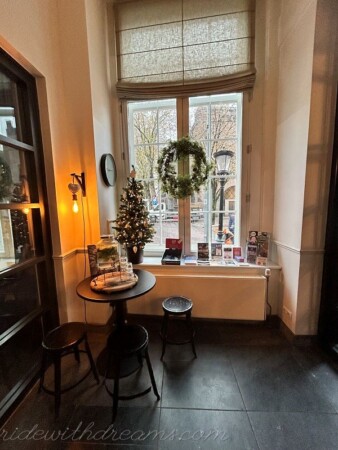
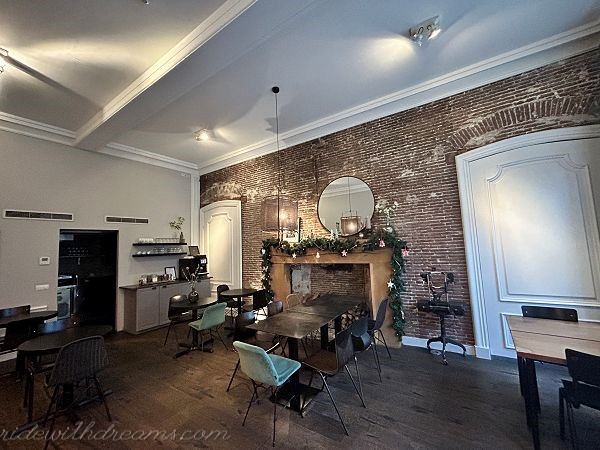
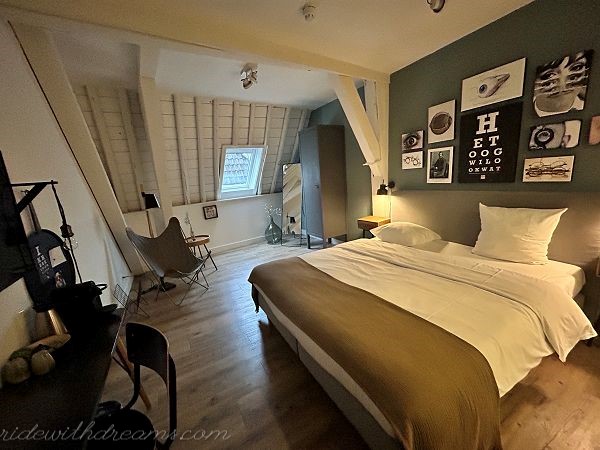
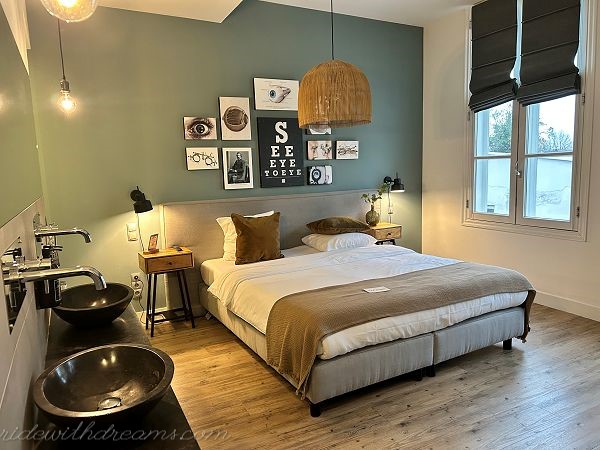
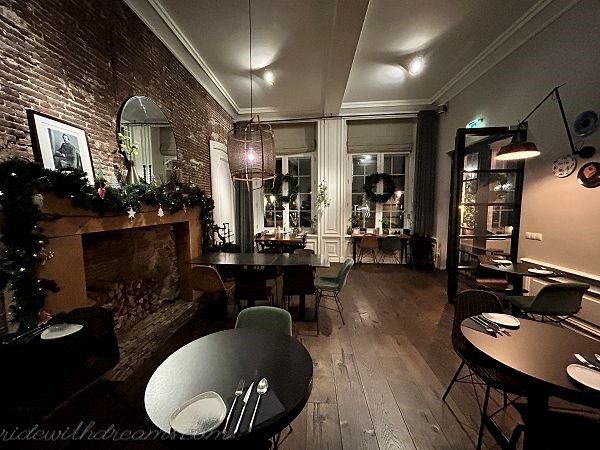
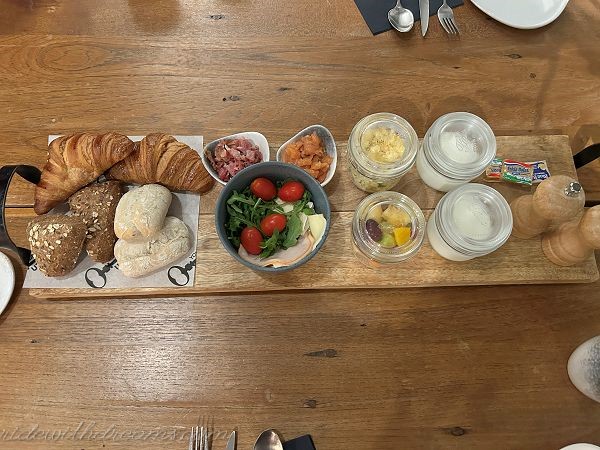
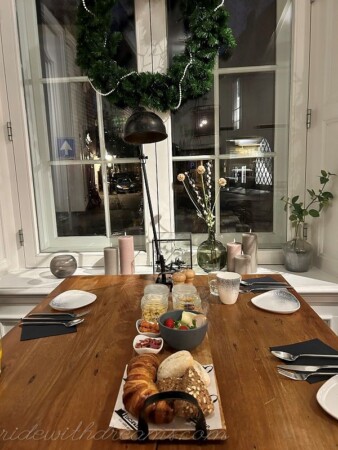
We stayed at a boutique hotel called the Eye Hotel, named for the former eye clinic the building once housed. Its interior design was beautiful and cozy, and I fell in love the moment I opened the door to my room. It wasn’t a room meant for work, but definitely a place to relax. Even the breakfast room and the breakfast setup looked wonderful and inviting.
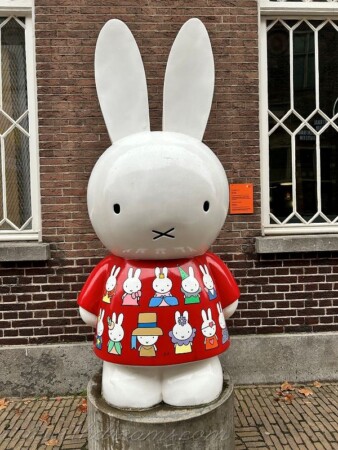
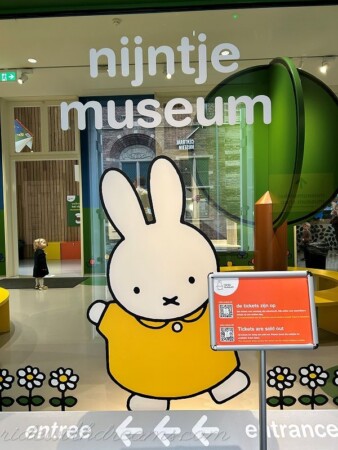
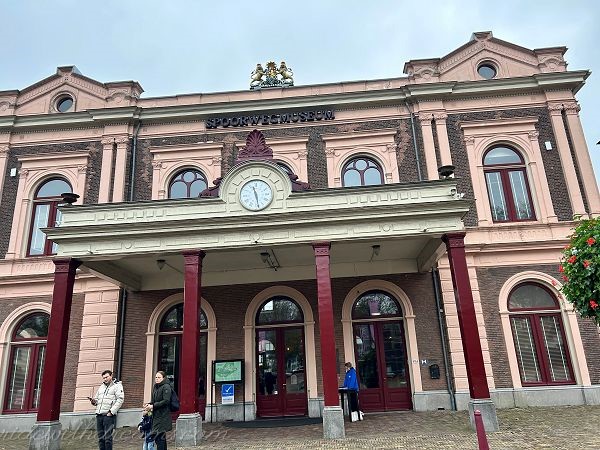
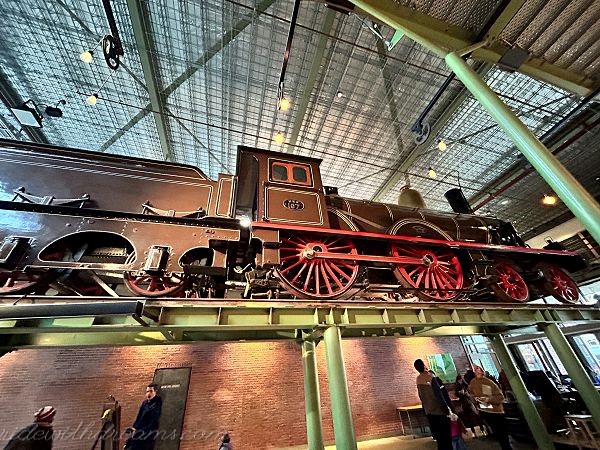
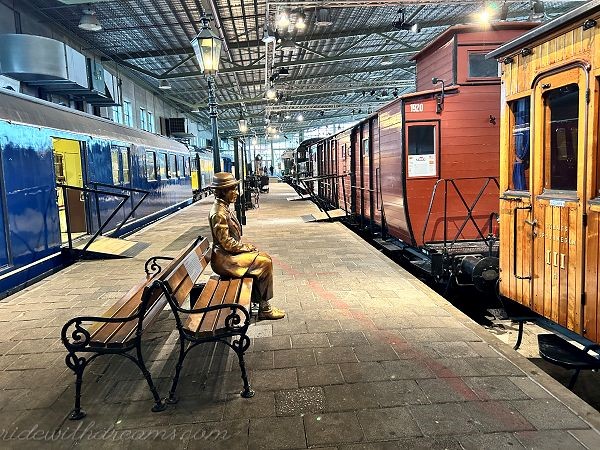
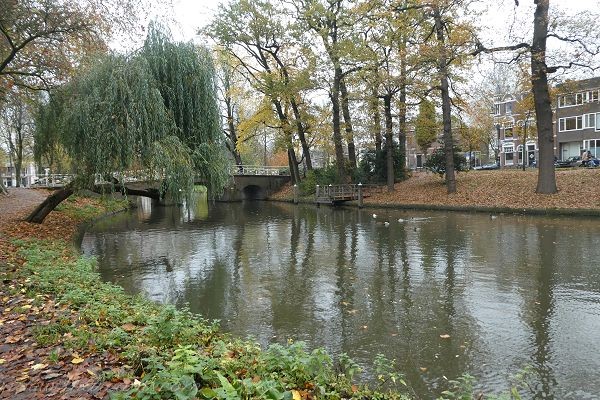
On our free day, we walked through a lovely park to visit the Railway Museum. The entrance fee was a bit expensive, so I hesitated at first, but I’m glad I decided to go in. The museum was surprisingly large inside, filled with historical trains and exhibits—you could easily spend an entire day exploring it. On the way there, we passed the adorable Nijntje (Miffy) Museum. We didn’t go inside, but the Miffy figure at the entrance was incredibly tempting.
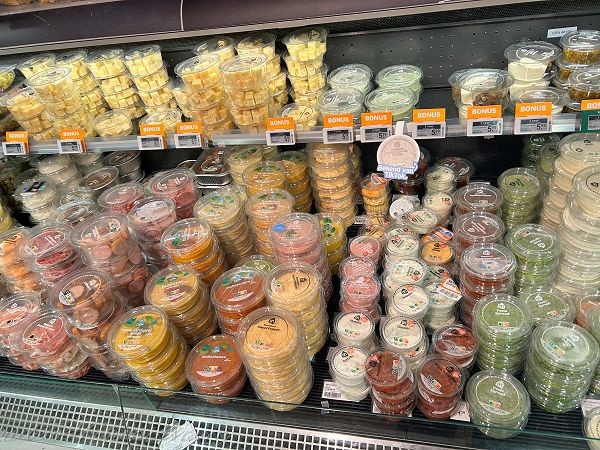
When I visited the local supermarkets there, I discovered an interesting fact: Dutch people really enjoy buying different kinds of spreads to put on their bread for sandwiches. I was impressed by the wide variety of freshly made spreads available in the stores.
All in all, Utrecht felt “more Dutch” to me than Amsterdam. I’ve always loved medium-sized towns like this, where you can sense everyday local life instead of the constant rush of tourists. While Amsterdam is vibrant and famous, Utrecht had a charm that felt much more genuine and welcoming.
🚂 Railway Museum (Het Spoorwegmuseum) — The Dutch National Train Museum
📍 What it is
- The Railway Museum is the national railway museum of the Netherlands, located in Utrecht.
- Since 1954 it has been housed in the old Maliebaan station building.
🏛 What you’ll find
- Historic trains and locomotives, including steam engines and old railway carriages — a treat for rail fans and history lovers alike.
- Exhibition halls and outdoor display areas, a model-railway cellar, a turntable for demonstration, and interactive or event spaces.
🎯 Why it’s worth visiting
For anyone with an interest in rail history, industrial heritage, or just nostalgic charm, the Railway Museum is a fascinating look at how the Netherlands developed its rail networks. The mix of preserved rolling stock, historical restorations, and interactive exhibits makes it appealing to both adults and families.
🐰 Miffy Museum (Nijntje Museum) — A Gentle, Interactive Museum for Kids & Families
📍 What it is
- The Miffy Museum (Dutch: Nijntje Museum) is located at Agnietenstraat 2, 3512 XB Utrecht, in the city’s Museum Quarter.
- It’s part of the foundation of the larger Centraal Museum.
🎨 What you’ll find inside
- The museum consists of a series of themed rooms (a dozen or so) inspired by the books of Dick Bruna, the creator of Miffy. Each room recreates parts of Miffy’s world — the house, the zoo, a doctor’s visit, even a “museum room” — where kids can play, explore, and learn.
- It’s very child-friendly: built at a child’s height, with wide spaces, safety-conscious layouts, tactile and sensory elements, low-sensory rooms, accessible toilets and facilities for strollers and wheelchairs.
- It’s more like a fun, interactive playground than a traditional museum: kids can role-play, build, play with shapes and colours, and basically immerse themselves in Miffy’s world.